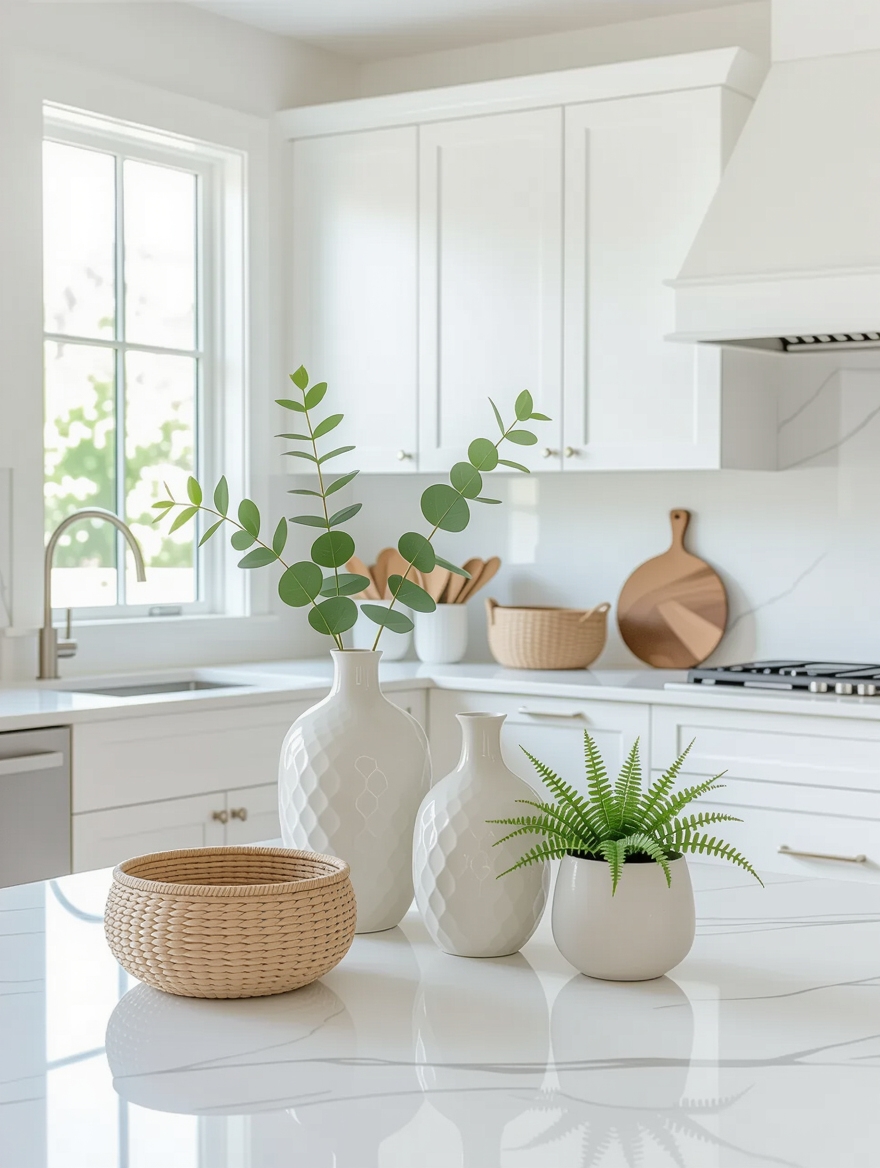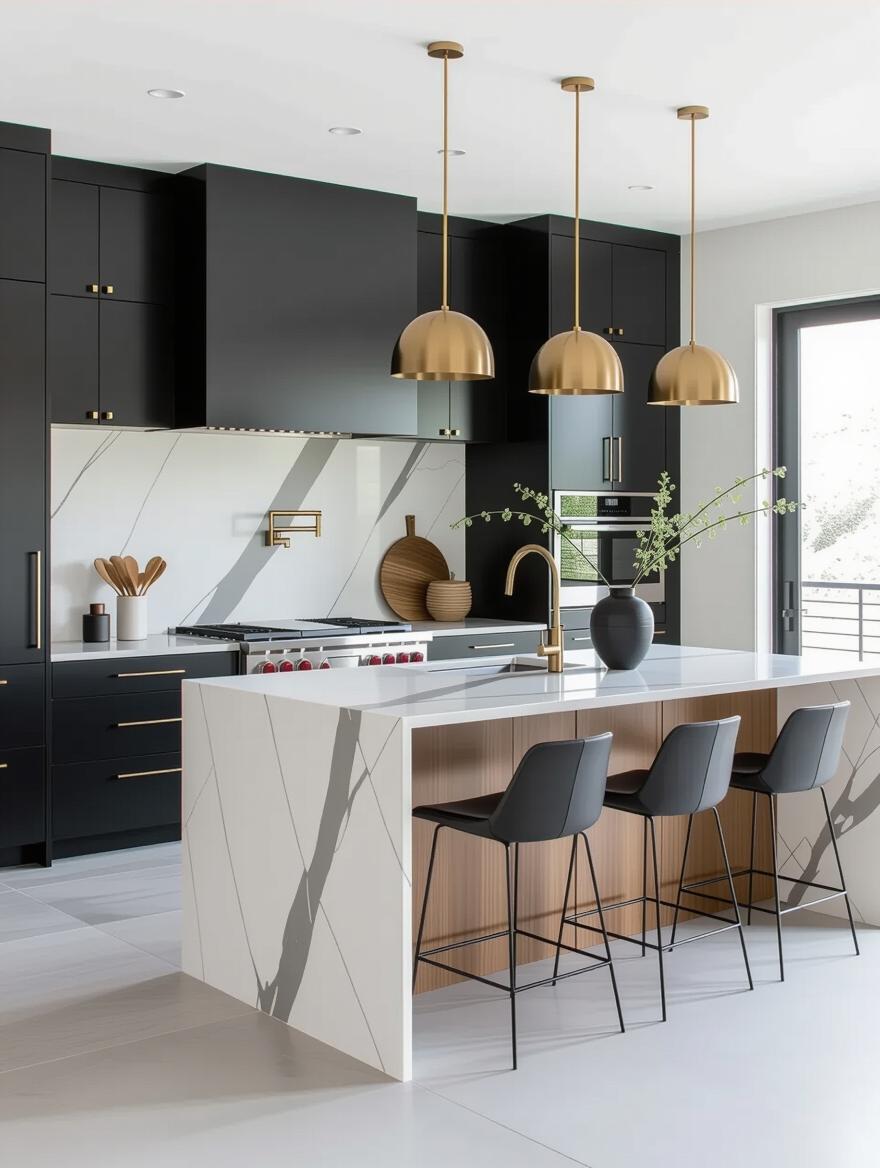

You stand at the kitchen sink more than almost any other spot in the house, scrubbing, rinsing, filling the kettle, so a tired faucet and a stained basin wear on you in a way you barely notice until they change. That is exactly why the sink zone gives such an outsized payoff: a few small upgrades there are felt every single day.
The changes below punch well above their cost, from a faucet swap you can do in an afternoon to accessories that quietly make the whole basin work harder. I have priced each one and named its downside, so you can spend where the daily difference is biggest. None of them needs a full remodel.
Sink Upgrades, Ranked by Payoff
| Upgrade | Rough cost | The difference it makes |
|---|---|---|
| New faucet (matte black or pull-down) | $80 to $250 | Modernizes the whole zone instantly |
| Touchless faucet | $200 to $400 | Cleaner handles, hands-free convenience |
| Sink grid and accessories | $25 to $60 | Protects the basin, adds prep surface |
| Built-in soap dispenser | $15 to $40 | Clears the counter of bottles |
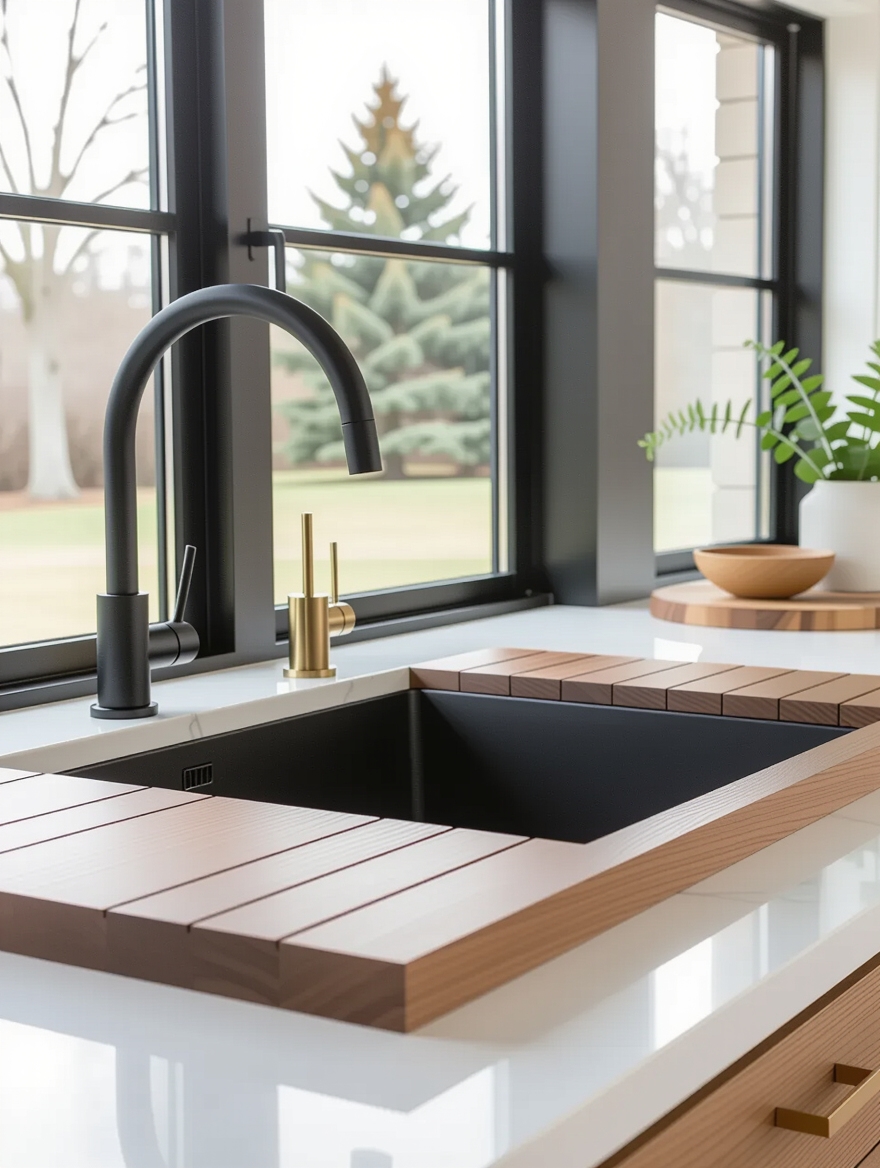
Swap In a Sleek Matte Black Faucet

If you change one thing at the sink, make it the faucet, and a matte black one is the swap that reads most current right now. It instantly modernizes the whole zone, hides water spots far better than chrome, and pairs with almost any cabinet color. A quality matte black faucet runs about $80 to $250, and replacing one on an existing supply line takes a confident DIYer about an hour.
- Choose matte black to modernize fast and hide the water spots that plague chrome
- Match the finish to your hardware so the sink zone looks pulled together
- Budget about $80 to $250, and set aside an afternoon for the swap
Add a Built-In Soap Dispenser

A built-in soap dispenser is a tiny upgrade with a daily payoff. It clears the counter of mismatched plastic bottles and gives the sink a clean, intentional look. You press the pump and refill it from a big economy bottle stored below, which is cheaper over time too. For about $15 to $40, it is one of the lowest-cost wins here.
Most dispensers drop into the same extra hole many sinks already have for a sprayer, or you can drill one in a stainless or composite sink. I tell clients to add a second one for dish soap and hand soap, so neither bottle ever returns to the counter.
The honest caveat is refilling, since reaching under the sink is a small chore, and a cheap pump can clog with thick soap. Buy a decent one and thin gloopy soap slightly, and it will serve you for years.
💡Quick Win
Before buying a new faucet, count the holes in your sink or counter. A single-hole faucet on a three-hole sink needs a base plate to cover the extras, and a soap dispenser or filtered-water tap is the perfect way to fill a spare hole rather than cap it.
Enhance Kitchen Flexibility With a Pull-Down Spray

A pull-down or pull-out spray faucet is the upgrade that makes the sink truly easier to use, letting you rinse the far corners of the basin, fill a tall pot, and clean the sink itself without contortions. The flexible hose retracts neatly, so you get the reach without the clutter of a separate sprayer. At around $100 to $250, it is a meaningful daily improvement for a modest spend.
- Pick a pull-down for a high-arc faucet, or a pull-out for a lower one near a window
- Look for a magnetic dock, since cheaper springs let the head sag over time
- Choose a model with a spray-and-stream toggle, the small feature you will use constantly
A Touchless Faucet for Hygiene

A touchless faucet has crossed from gadget to truly useful, turning on with a wave so you never smear the handle with raw-chicken or doughy hands. The hygiene win is real, and so is the small daily ease of starting the water with a full armful of dishes. It is the sink upgrade that surprises people with how much they use it.
Worth it for messy-handed cooks
Touchless models run roughly $200 to $400 and need power, either batteries you swap occasionally or a plug under the sink. Keep a manual override so a dead battery never leaves you stuck, which all good models include.
The honest catch is the occasional false trigger and the higher price, so it suits busy, messy-handed cooks more than minimalists on a tight budget. For the households that cook a lot, though, the hands-free start earns its keep fast.
ℹ️Good to Know
The faucet is the most-touched fixture in the kitchen, used dozens of times a day. That is why a faucet upgrade feels so disproportionate to its cost: you interact with it more than the counters, the cabinets, or any appliance, so even a modest improvement registers constantly.
Choose Stylish, Durable Sink Materials

If your upgrade goes as far as a new basin, the material is the decision you live with longest. Stainless steel stays the practical favorite, tough and affordable, while composite granite resists scratches and stains and comes in matte colors that hide everything. Fireclay gives that classic farmhouse look but costs and weighs more.
Match the basin to how you cook
Match the material to how you actually use the sink. A heavy-pot, big-family cook wants tough stainless or composite, while someone after a statement might pay for fireclay or a designer color. A deep single bowl handles sheet pans best, while a divided sink suits those who like to separate washing and rinsing.
Be honest about the install, since swapping a sink can mean new countertop cutting and plumbing work. A like-for-like drop-in swap is manageable, but changing size or going undermount is a job for a pro. Our modern sink ideas weigh the materials in depth.
A Workstation Sink: Charming and Functional

A workstation sink is the upgrade that turns the basin into a whole prep zone, with a ledge that holds a cutting board, colander, and drying rack right over the water. You prep, rinse, and clear straight into the sink, which is a small luxury that changes how you cook in a tight kitchen. It is charming to look at and truly useful, the kind of feature our focal-point sink ideas celebrate.
- Use the over-sink board to reclaim counter space in a small kitchen
- Rinse and drain produce straight into the basin with the fitted colander
- Expect to pay more than a standard sink, so weigh it against how tight your counters really are
“Treat the sink as a little zone, not a single object. When the faucet, the soap dispenser, the dish-drying, and the backsplash all agree in finish and stay clutter-free, the whole corner reads designed, even if each piece was inexpensive and added one at a time.”
Add a Protective Sink Grid

A sink grid quietly protects everything else. It is a metal rack that sits in the basin and keeps pots, knives, and dropped glasses off the surface. It stops the scratches and chips that age a sink fast, and it lifts dishes so water drains underneath. For about $25 to $60, it is cheap insurance.
It also doubles as a draining surface, letting you set washed pots to drip without puddling the bottom. Match the grid to your sink size and material, with a coated one for composite or fireclay so the metal does not mark the finish.
The small caveat is cleaning, since food can catch under the grid, so lift it out for a rinse every week or so. That minor chore is a fair trade for keeping a new basin looking new for years.
Maximize Counter Space Around the Sink

The counter beside the sink is prime real estate, and a few upgrades free it from the clutter that always collects there. An over-sink shelf or a slim caddy lifts sponges, brushes, and soap off the surface, while a window-ledge garden or a single tray corrals the rest. Suddenly the busiest counter in the kitchen can actually be used.
The move that helps most is getting the daily clutter vertical or hidden. A magnetic strip inside the cabinet door for the sponge, a tilt-out tray at the sink front, and that built-in soap dispenser together clear the surface for good. Our declutter-first plan applies the same thinking across the kitchen, and a clear sink counter is the upgrade I notice most when I walk into a tidy kitchen.
Be realistic about what truly needs to live there. The dish soap, a brush, and maybe a hand towel earn their spot; everything else can find a home in the cabinet below. I love a single small tray to corral the few real essentials, since a defined zone looks tidy even when it holds the same things.
A Streamlined Dish-Drying Solution
That bulky plastic dish rack on the counter is an easy eyesore to fix. A roll-up silicone drying mat or an over-sink roll-out rack drains straight into the basin, then rolls away when the dishes are dry, so it stops hogging the counter all day. It is a small change that makes the whole sink zone look tidier.
For people who hand-wash a lot, an in-cabinet or over-sink rack keeps the drying out of sight entirely. Choose stainless or coated steel over cheap plastic, which discolors and harbors grime within a season.
- Use a roll-up over-sink rack that drains into the basin and rolls away after
- Pick stainless or coated steel, since cheap plastic stains and grows grimy fast
- For a hidden option, fit a drip tray and rack inside a cabinet near the sink
A Bold, Stylish Backsplash Behind the Sink

The wall right behind the sink is the one you stare at while you scrub, so it is the perfect, low-risk spot for a bold backsplash. A patterned tile, a slab of stone, or a saturated color turns the most-used corner of the kitchen into a small focal point. Because the area is compact, you can be braver here than across a whole wall, and the cost stays modest.
It pairs naturally with a faucet upgrade, since a new fixture against a fresh backsplash makes the whole zone feel renovated for a fraction of a remodel. Take the tile a little higher than the standard four inches behind the sink for more impact, and our backsplash ideas show how far a small budget can stretch.
The one caution is splashes, so seal the grout and pick a wipeable tile or slab behind a sink that sees constant water. Get that right and the backsplash stays fresh for years, anchoring a sink zone that finally looks as good as it works.
Where to Start for the Biggest Difference
If you only tackle one thing, start with the faucet, since it is the upgrade you touch most and the one that visually transforms the sink zone fastest. From there, the cheapest high-impact moves are a built-in soap dispenser, a sink grid, and a roll-away drying rack, none of which costs much or needs a pro. Stack those four and the sink area feels renovated for a couple hundred dollars.
Save the bigger jobs, a new basin or a tiled backsplash, for when you have the budget and the appetite for a little mess, and bring in a pro for anything that cuts countertop or moves plumbing. Bookmark this and work down from the faucet, and you will be amazed how different the spot you stand at most starts to feel. For more on the basin itself, our modern sink design guide is a good next read.
Upgrade the Spot You Stand at Most
The sink is where you spend more kitchen minutes than anywhere else, which is exactly why small upgrades there feel so big. A modern faucet, a cleared counter, a protected basin, and a bold little backsplash add up to a corner that works better and looks intentional, all without a renovation.
So look hard at your own sink zone and notice what nags you daily, the spotty faucet, the bottle clutter, the scratched basin. Fix that one thing first, then work down the list. Which sink upgrade do you think you would feel the most every morning?
More Hair Inspiration