

Most of us picked our last sink from the same three options the showroom pushed: stainless drop-in, white farmhouse, or a plain double bowl. There is a whole world beyond that wall, sinks that double your counter, drain themselves, or turn the basin into a copper centerpiece. Once you see them, the standard options start to feel a little thin.
These are the lesser-known sink designs worth knowing before you settle, the workstation tiers, the integrated drainboards, the unexpected materials. For each, I note what makes it special, the kitchen it suits, and the real price, since some of these unusual options carry an unusual cost. Knowing they exist is the first step to a sink that truly fits how you cook.
Beyond the Basic Three
The sink world is far bigger than the stainless-drop-in default most people buy. Workstation sinks with sliding tiers turn the basin into a prep station, integrated drainboards build the dish rack right into the counter, and materials like copper and concrete make the sink a design feature rather than an afterthought.
The catch with the clever options is usually price and upkeep, so the trick is matching the niche feature to a real habit. A workstation tier pays off if you prep a lot; a copper basin rewards someone who will maintain its patina. Choose for how you actually cook, and the unusual option earns its keep.
A Sleek, Integrated Modern Sink
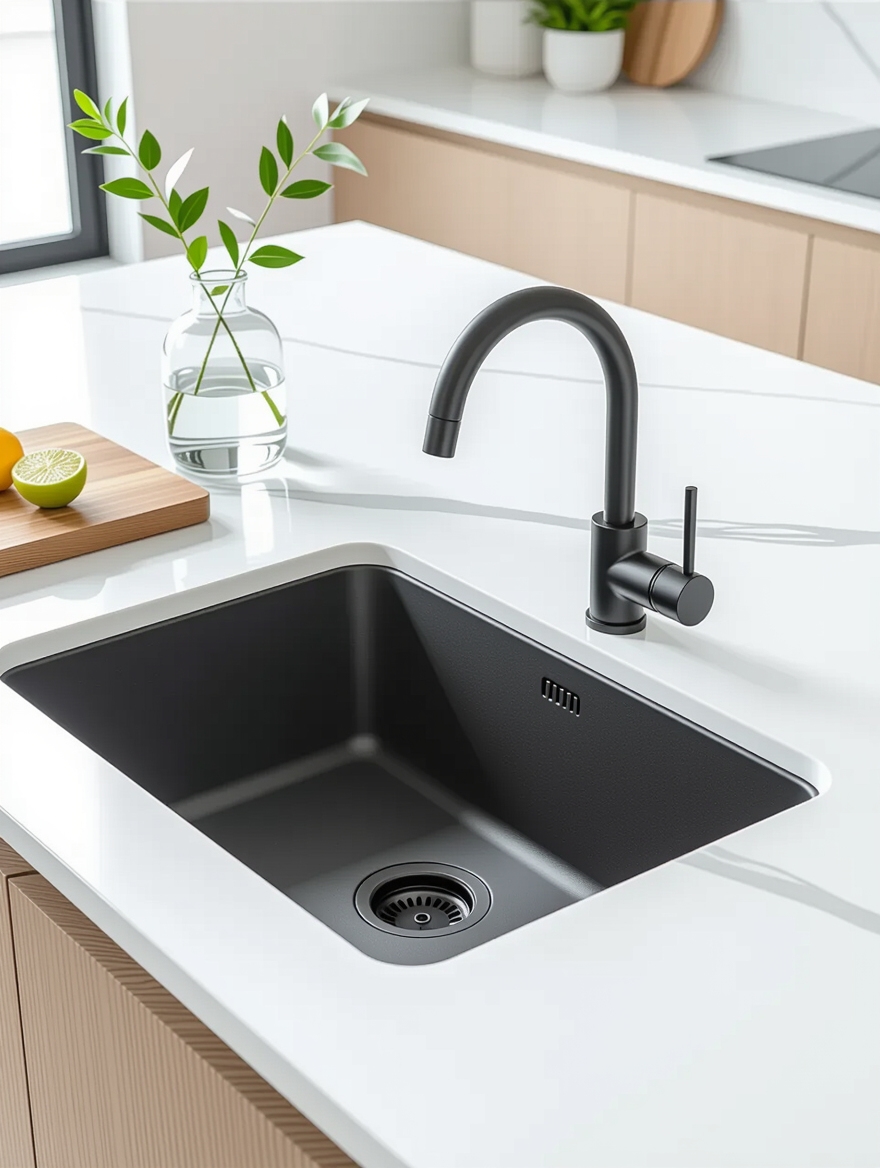
Few people know you can have a sink with no visible join at all, molded as one continuous piece with the counter. An integrated sink, in solid surface, quartz, or stainless welded to a steel counter, has no rim, no seam, and no caulk line to grow grime. You wipe straight from counter to basin across an unbroken surface, which is as hygienic as a kitchen sink gets.
The trade-off is cost and commitment, since the sink and counter become one custom piece you cannot swap separately. If the basin chips or you tire of it, you are replacing the whole run. For a clean, modern, low-grime kitchen, though, it is a quiet showpiece most people have never considered.
- Choose an integrated basin for zero seams and the easiest possible cleaning
- Accept that the sink and counter are now one custom unit, replaced together
- Expect a premium price, since this is fabricated, not bought off a shelf
Farmhouse Sinks You Did Not Expect
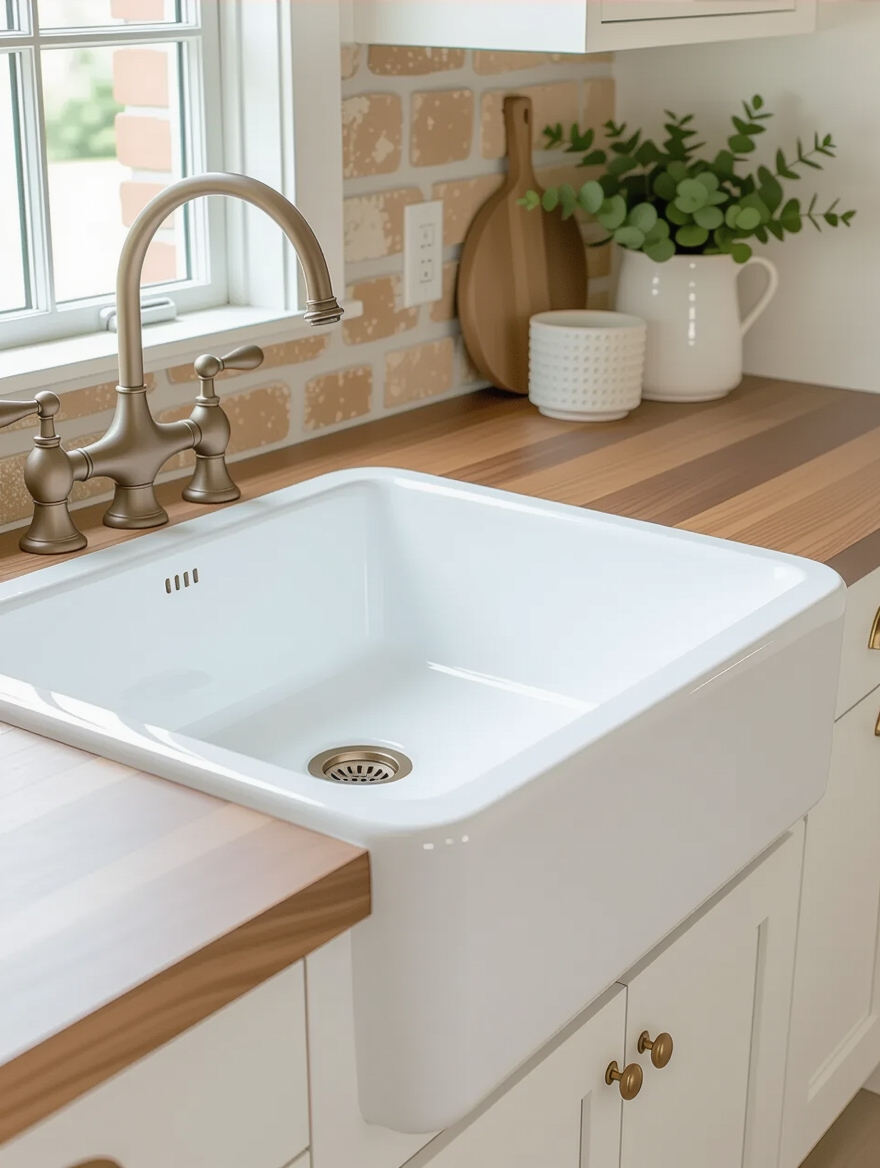
Everyone pictures a white apron sink. The farmhouse format comes in surprises: hammered copper, matte black composite, fluted stainless, even wood-and-stone hybrids. The deep, exposed-front basin is the same workhorse, dressed in finishes that completely change its character. It can read rustic, industrial, or sleek depending on the material.
A fluted or reeded apron front, in particular, is the detail few people know about and designers love right now, adding texture to the one part of the sink everyone sees. It turns a familiar format into something that feels custom.
The honest notes are weight and reach, since any apron sink is heavy and the deep basin asks you to lean. Confirm your cabinet can carry it, and pick a basin depth that suits your height so you are not hunched over it for years.
🅰️Workstation sink
Built-in ledges hold a board, colander, and rack over the basin. Worth it if you prep on limited counter and want a second work zone for the footprint of the sink.
🅱️Statement-material sink
Copper or concrete makes the basin a focal point. Worth it if you want character and will maintain the finish, less so if you want low-fuss and careless durability.
Versatile Multi-Level Workstation Sinks
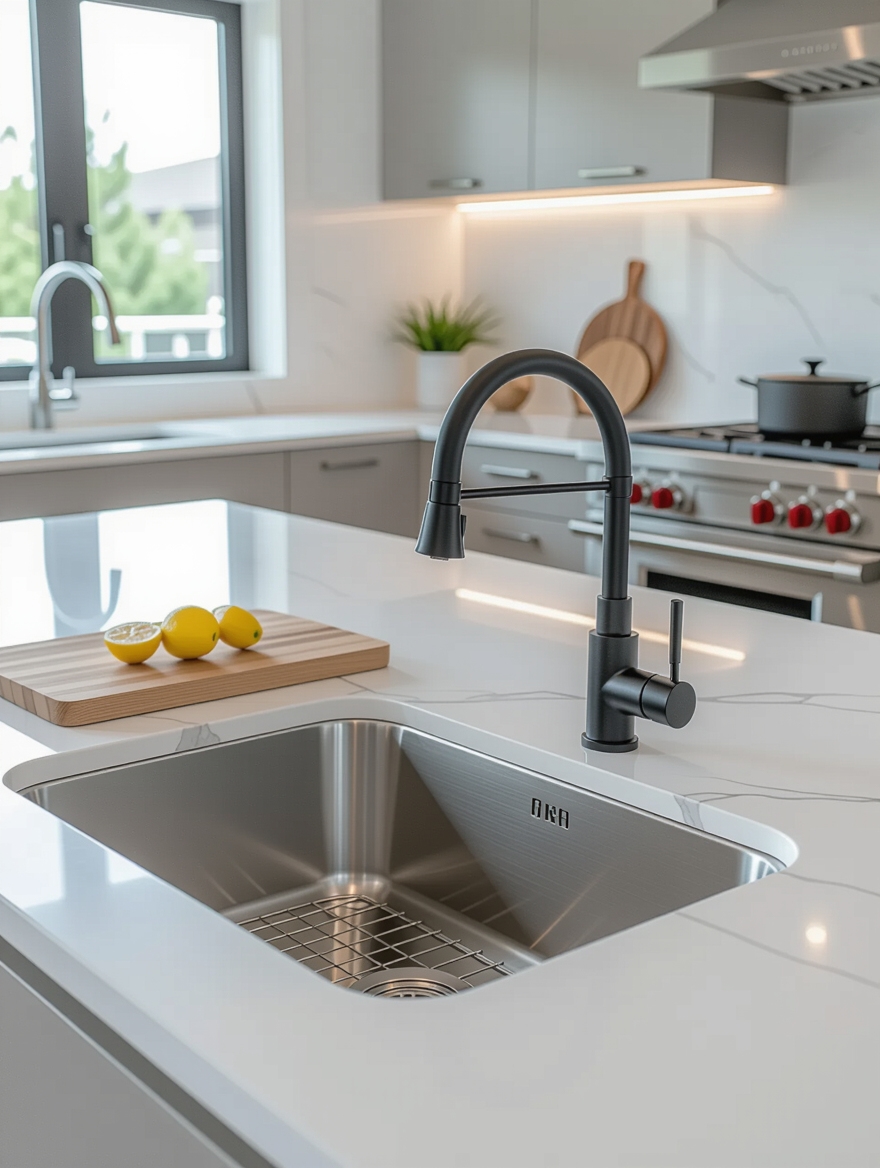
The workstation sink is the option that quietly changed kitchens, with built-in ledges at one or two levels that hold a cutting board, colander, and drying rack right over the water. You prep on the board, sweep scraps into the basin, rinse in the colander, and never cross the kitchen. In a small or busy kitchen, it is like gaining a second prep zone for the footprint of the sink.
Most run roughly $300 to $800 and fit in an hour like a standard sink, depending on material and accessories, and the tiered versions let two tasks happen at once, a board up top while something drains below. I tell anyone short on counter space that this is the single sink feature most worth the splurge, since you feel it every meal, and our small-space storage tricks lean on the same logic.
Sinks That Add Counter Space
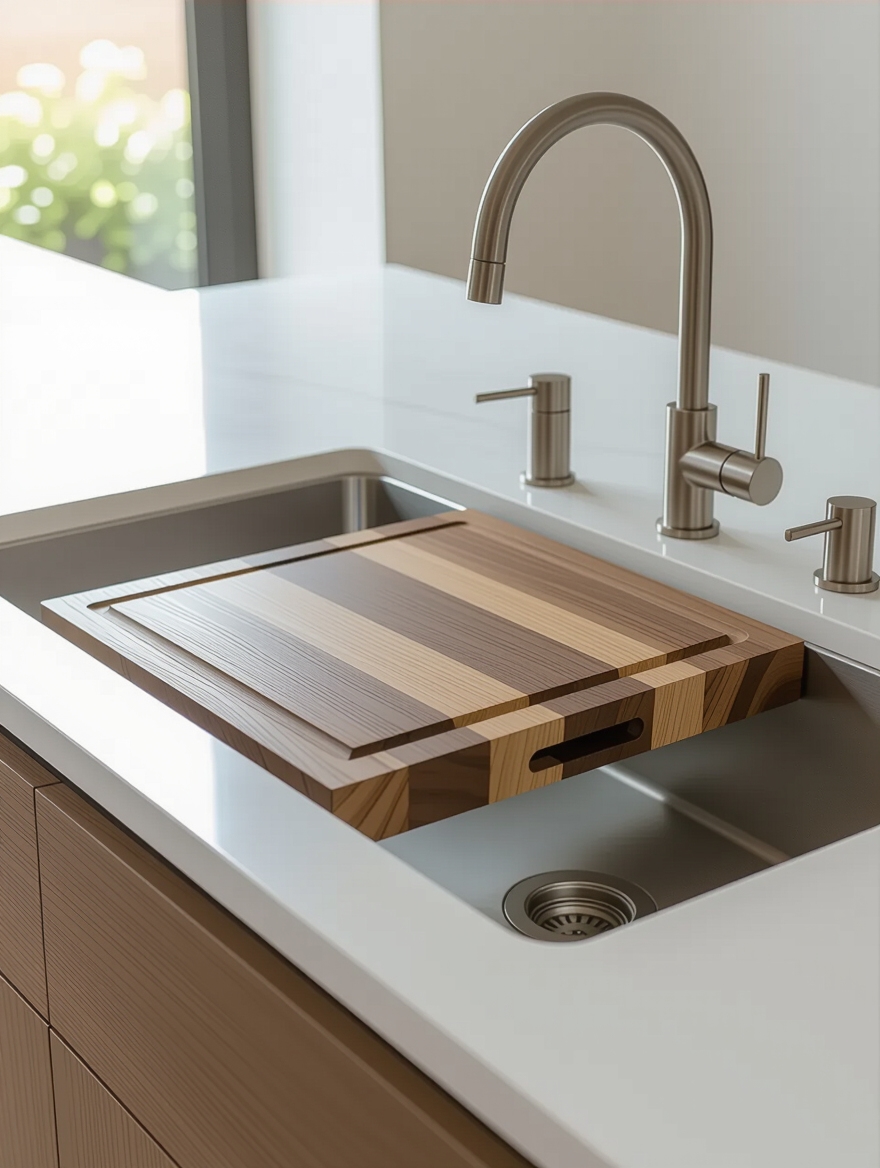
Less known still is the sink designed to disappear under a fitted cover, reclaiming its whole footprint as counter when you are not washing up. A solid board or a roll-top slides over the basin to give you a flush, usable surface, which is a quiet lifesaver in a tiny kitchen where every inch of counter counts, much like the moves in our budget remodel guide. When you need the sink, you lift the cover and it is back.
- Use a fitted sink cover to turn the basin into bonus counter in a small kitchen
- Choose a wood or composite board that matches your counter for a clean look
- Keep one cover for prep and a draining one for dishes, so each task has its surface
How to choose a niche sink without regret:
1Name the daily problem
Pin down the one thing your current sink does badly, too little counter, an ugly drying rack, a basin that fits nothing large.
2Match a feature to it
Pick the niche option that solves exactly that, a workstation tier, a built-in drainboard, an offset bowl, and ignore the rest.
3Check the strings
Confirm the weight, support, sealing, or custom fabrication the option needs, and whether your counter and cabinet can take it.
4Price the whole job
Add fabrication and install to the sink price, since integrated and custom options cost well beyond the basin itself.
Built-In Dish-Drying Solutions
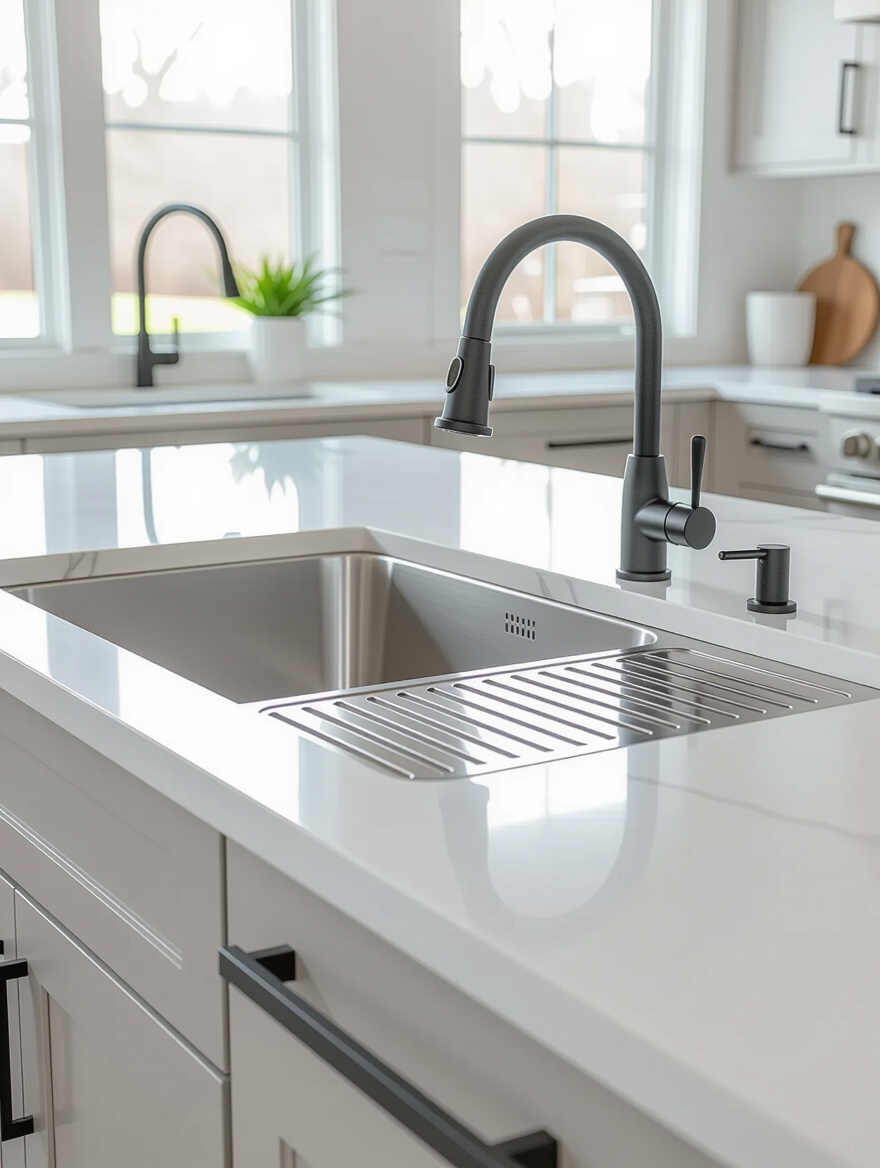
The old ridged drainboard your grandmother had is making a quiet comeback as a built-in design feature, grooves carved right into the stone or steel counter beside the basin so washed dishes drip straight back into the sink. It hides the ugly plastic rack entirely and keeps the counter clear and dry, the kind of clutter-free win our sink upgrade guide chases. Few people realize you can build this into a new counter.
- Have draining grooves cut into a stone or quartz counter beside the sink for a hidden drainboard
- Choose an integrated stainless sink-and-drainboard unit for the same effect off the shelf
- Angle the grooves toward the basin so water always runs back in, never onto the floor
Copper Sinks for Warmth and Character

A copper sink turns the basin into the warm, glowing heart of a kitchen, with a living finish that deepens into a rich patina over the years. Beyond looks, copper is naturally antimicrobial, which is a genuine practical bonus at the spot you rinse raw food. It suits rustic, Mediterranean, and characterful kitchens beautifully. I love one in a warm, collected kitchen that can carry the upkeep.
The honest reality is cost and care, since a quality copper sink often runs $500 to well over $2,000 and needs gentle, acid-free cleaning to protect the patina. Treat it kindly and it only grows more beautiful; scrub it harshly and you fight it forever.
- Choose copper for a warm, antimicrobial basin that becomes the kitchen’s focal point
- Budget $500 to $2,000-plus, since real copper is a genuine investment
- Clean it gently with mild soap, never harsh abrasives, to protect the living patina
Heads-Up
Clever does not always mean better for you. An integrated or concrete sink ties the basin to the counter, so a chip means replacing far more than a sink. Before committing to a fused or custom option, be sure you love it, since swapping it later is a renovation, not a quick change.
Durable, Stylish Granite Composite Sinks
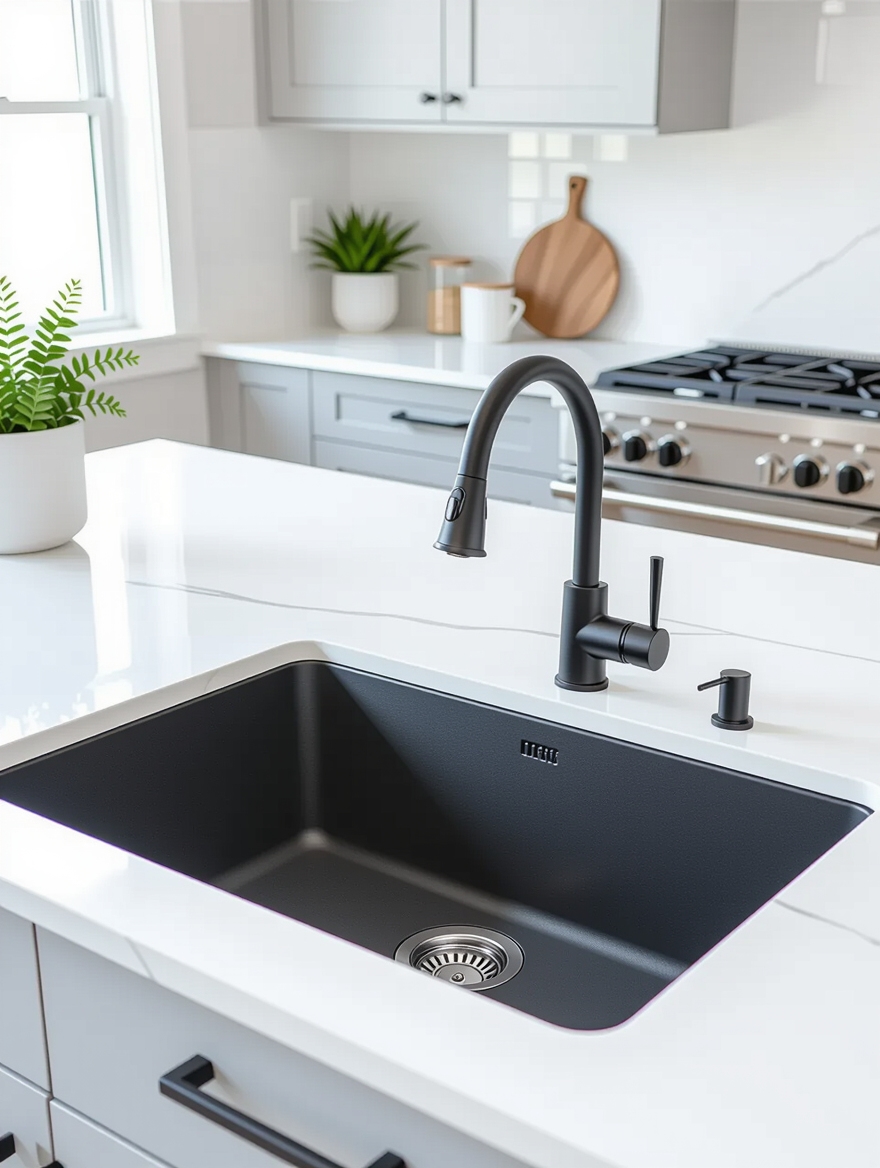
Many people meet granite composite without knowing what it is: an engineered blend of stone dust and resin that is one of the toughest sink materials made. It resists scratches, chips, stains, and heat better than almost anything, and the matte finish hides daily mess. If you want a sink you can be careless with, this is it.
Color runs all the way through
It comes in deep, modern colors, black, grey, taupe, that read high-end and stay consistent throughout the material, so a scratch will not reveal a different color underneath. It costs about what a mid-range stainless sink does, a fair price for how long it lasts.
The small catches are weight and sound, since composite is heavy and can need extra support, and very hard items dropped in can chip the rare weak spot. For most households, though, it is the closest thing to a worry-free basin, which is why it is the one I recommend to anyone careless with the kitchen.
Customizable, Bold Concrete Sinks
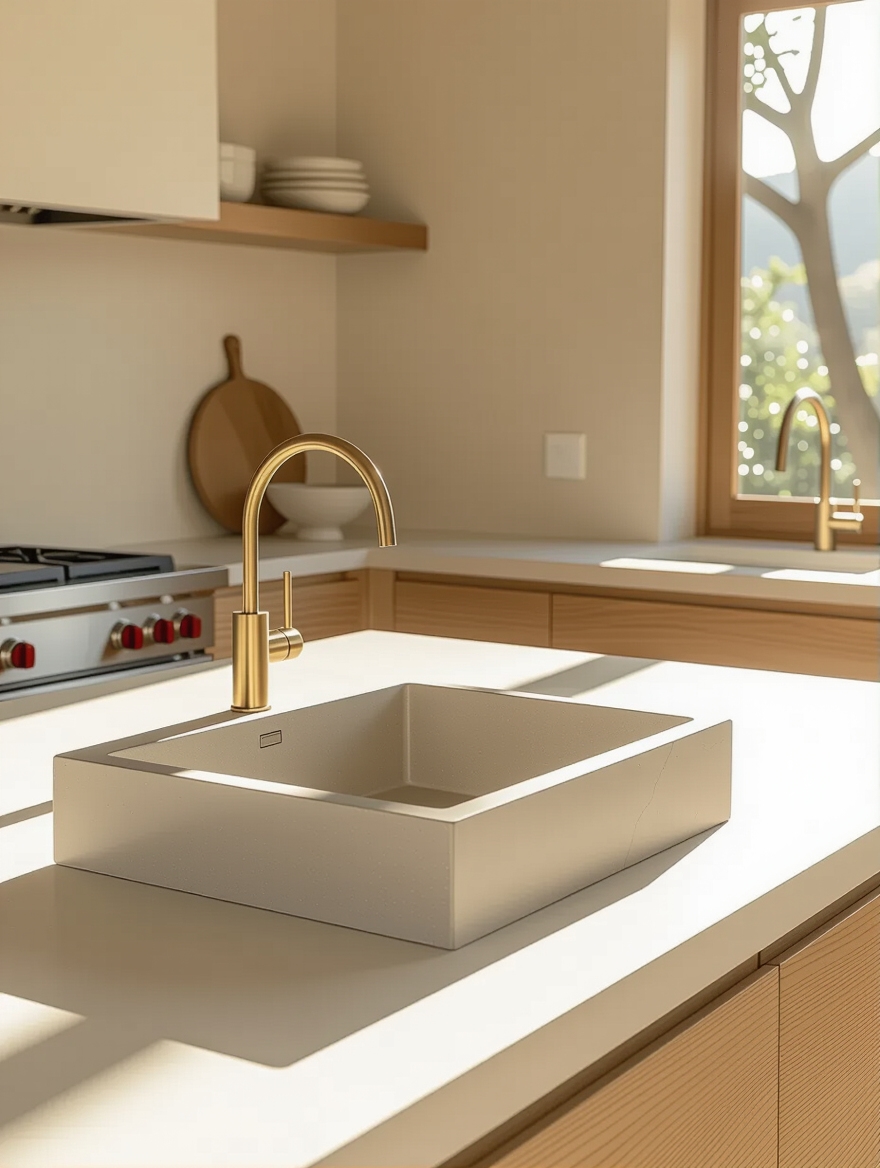
At the bold end sits the concrete sink, cast to any shape, depth, color, or integrated form you can imagine, which makes it the most customizable option going. Tinted, polished, and sealed, concrete looks industrial-luxe. It can be molded as one piece with a concrete counter for a monolithic, architectural look. No two are quite alike, which is the appeal.
- Choose concrete when you want a truly custom shape, color, or one-piece counter-and-sink
- Have it professionally sealed and reseal it periodically, since raw concrete stains and absorbs water
- Budget for custom fabrication and serious weight, since this is a made-to-order, heavy piece
Modern Farmhouse Sink Innovations
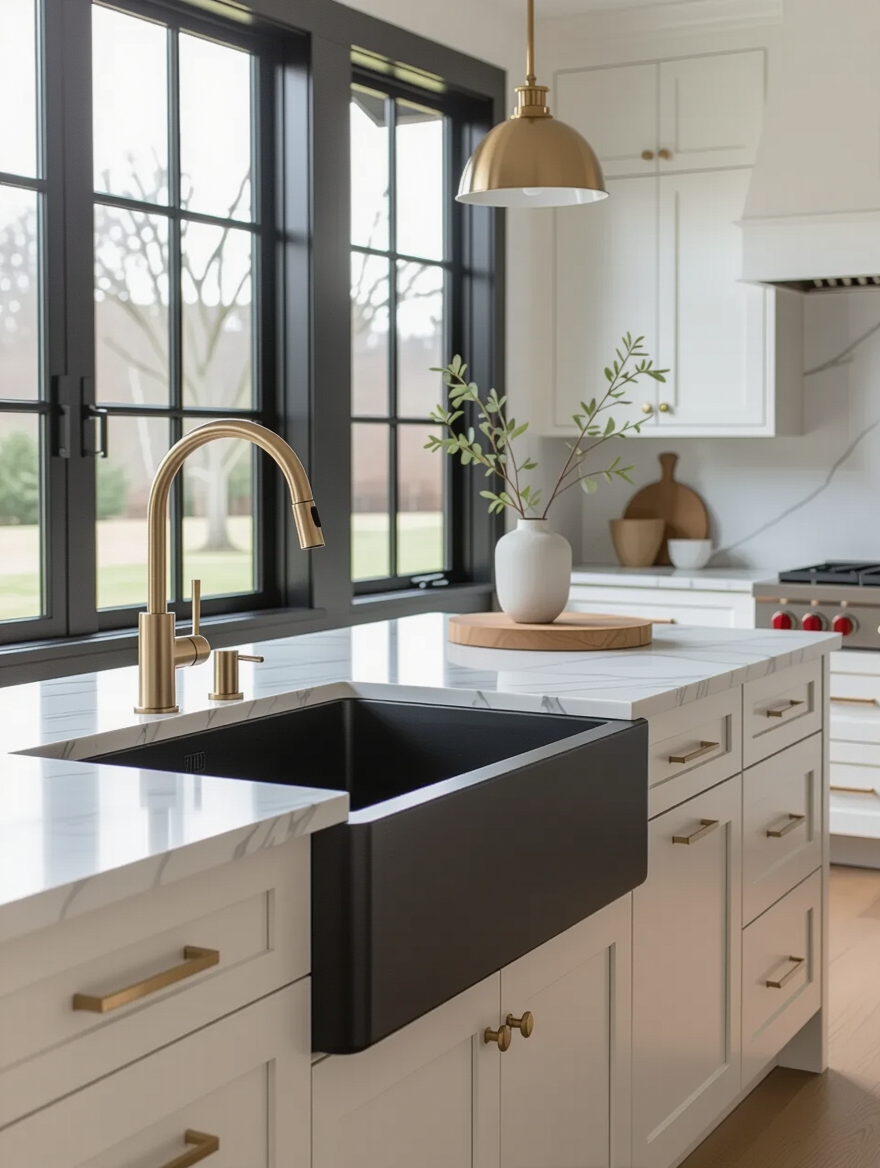
Today’s farmhouse sinks hide modern engineering most buyers never notice. Reversible aprons let you choose a smooth or fluted front from one sink, low-divide double bowls fit big pans while keeping two basins, and built-in ledges add workstation accessories to the classic apron shape. The look is heritage; the function is current.
Some now come with integrated accessory kits, boards and racks sized to the basin, turning the farmhouse sink into a full prep system without losing its charm. It is the best of both worlds for a kitchen that wants character and modern convenience together.
The catches stay the same as any apron sink, weight and the need for proper support, so plan the cabinet accordingly. Our modern sink design guide weighs the materials behind all of these in more depth.
Surprising Double-Bowl Configurations
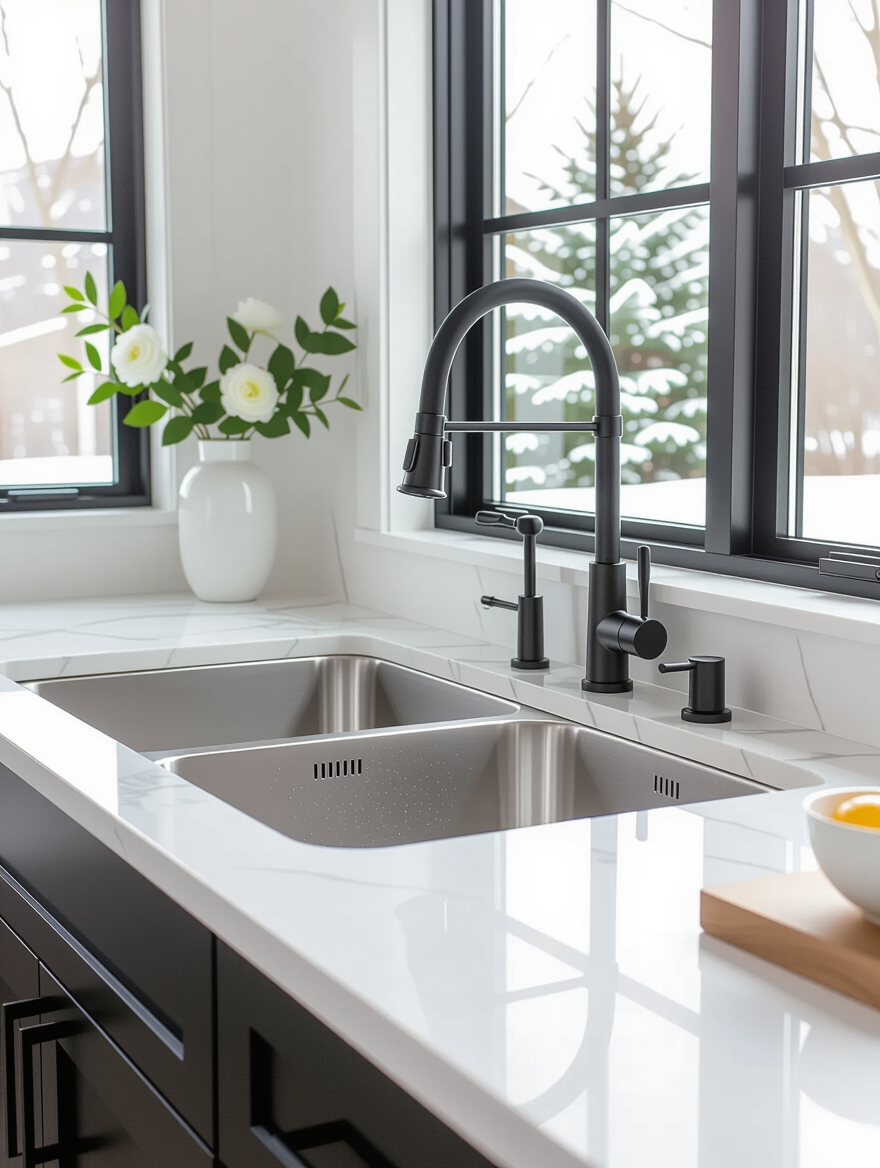
The double bowl you picture is the dated even split, but the configurations few people know about are far smarter. An offset layout gives one big bowl for cookware and one small for prep or rinsing, while a low-divide version lets a sheet pan lie across the top. There is even a main-plus-tiny-prep-bowl design built for serious cooks.
Offset beats the even 50-50 split
These layouts solve the old double-bowl complaint, that neither side fit anything large, by making one bowl truly generous. You keep the soak-and-rinse separation without sacrificing the room for big pots.
Choose the configuration around your real habits: a big offset bowl for cookware-heavy cooking, a prep bowl if you chop and rinse constantly. The right split, our focal-point sink ideas show, can be both practical and a design statement.
How to Tell If a Niche Sink Is Worth It
A clever sink is only clever if it matches a real habit, so before you splurge on the unusual, name the daily problem it solves for you. A workstation tier earns its price if you prep on tight counters; an integrated drainboard pays off if you hand-wash and hate the plastic rack; a copper or concrete basin rewards someone who will maintain it. If the feature does not map to something you do most days, the standard sink is the smarter buy.
Then weigh the practical strings: custom and integrated options usually mean professional fabrication and install, heavier basins need cabinet support, and statement materials want gentler care. Confirm any plumbing or countertop work with a pro, and pick the niche option only where the payoff is real. Knowing all of these exist means you choose your next sink on purpose, not just from the showroom’s front wall.
Choose Your Next Sink on Purpose
The showroom front wall is not the whole story, and knowing the clever options exist, workstation tiers, hidden drainboards, copper and concrete, integrated basins, smarter double bowls, lets you choose a sink that fits your kitchen instead of the other way around. Each one shines for a specific habit and a specific cook.
So before your next sink, name the daily annoyance you most want gone, then look for the niche option built to solve it. Match the clever feature to your real routine, mind the cost and care, and you will end up with a sink that quietly makes cooking better every day.
More Looks We Love


