

There is a reason a beautiful crockery unit stops you in a friend’s kitchen: it turns the most ordinary thing, a stack of plates, into something worth looking at. A good display cabinet does double duty, storing your dishes while showing off the pretty ones, which is why it has lasted from the old farmhouse dresser to the sleek modern glass-front. It earns its footprint twice.
These twenty crockery unit styles run from minimalist glass cabinets to rustic dressers and industrial open shelving, with a version for nearly every kitchen and budget. For each I have noted what it suits, roughly where it sits on cost, and how to keep the display looking calm rather than crowded. The trick to an effortless-looking unit is, as always, a little restraint.
Choosing a Crockery Unit
- A crockery unit stores and displays at once, so it does two jobs at once in a kitchen short on room.
- Match the style to your kitchen: glass-front for modern, a dresser for rustic, open shelving for casual.
- Display only your prettiest, most-used pieces and store the rest; a crammed unit looks cluttered, not curated.
- Glass-front protects dishes from grease and dust; open shelving looks airy but asks for more wiping.
Durability and Style in One Storage Unit

Before the styles, a word on what makes a crockery unit worth buying: it has to hold real weight and last. Dishes are heavy, so the unit needs sturdy shelves and solid construction, especially if those shelves are glass or span a wide gap. A pretty cabinet that sags or wobbles under a stack of plates is money poorly spent.
Quality shows in the details. Adjustable shelves let you fit everything from small saucers to tall serving platters, and thick shelving or proper supports keep heavy stacks from bowing over the years. These are the things to check before the finish, since a crockery unit is furniture you will keep for a long time.
Spend where the durability lives and save on the rest. A solid, well-built unit in a simple style outlasts a flimsy, ornate one, so put the budget into construction and keep the look restrained. A good unit becomes a fixture of the kitchen, not a piece you replace in a few years.
Minimalist Kitchen Crockery Units
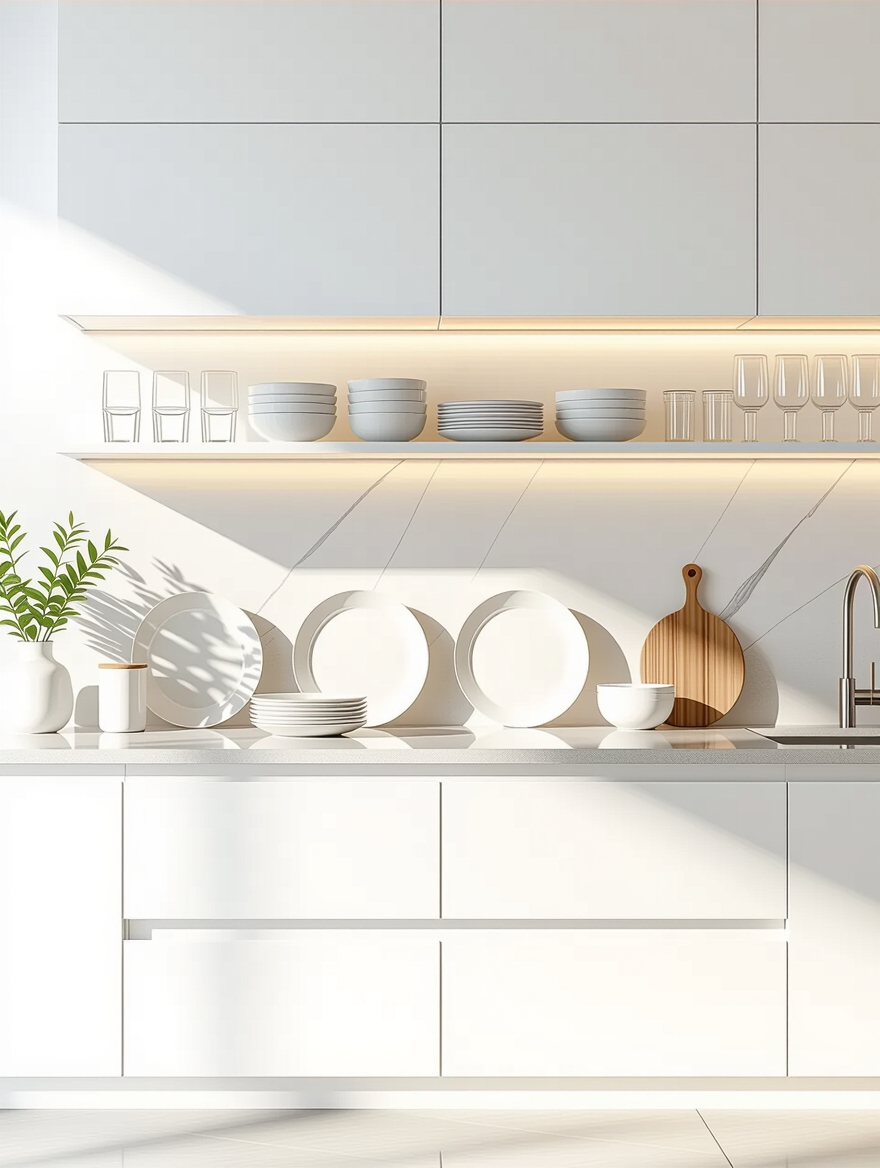
The modern crockery unit is sleek and restrained: a glass-front cabinet with clean lines, slim frames, and no fuss, letting the dishes themselves be the decoration. This minimalist version suits contemporary kitchens and small spaces, since the glass keeps it visually light while still protecting what is inside. A few choices keep it modern.
These details keep a minimalist unit looking sharp.
- Choose slim frames and large glass panels so the unit stays light and the dishes lead.
- Keep the unit one quiet color that matches the kitchen, so it looks built-in, part of the room.
- Style the shelves sparsely, a few coordinated pieces with space around them.
💡Pro Tip
Before buying any crockery unit, measure your tallest and most-used pieces, the dinner plates, the serving platters, the tall glasses, and check the unit’s shelf spacing and weight rating against them. The prettiest cabinet is useless if your everyday plates do not fit upright or the glass shelves are not rated for a heavy stack. Adjustable shelves are worth paying for, since they let one unit hold everything from espresso cups to a turkey platter.
Rustic Charm Meets Modernity

The farmhouse dresser is the original crockery unit, and the modern-rustic version keeps its warmth while losing the fuss. A wood dresser with open upper shelves and closed lower storage displays your everyday dishes and stoneware with a collected, well-used charm that a sleek cabinet cannot match. It is the crockery unit for a warm, characterful kitchen.
Keep the Dresser Clean-Lined
Keeping it modern is about restraint and finish. Choose a clean-lined dresser in a matte natural wood or a muted painted color, instead of an ornate, heavily carved antique, and style it with a curated few pieces, never a packed jumble. The bones stay rustic; the styling keeps it current.
A dresser also solves a real problem in older homes with too few cabinets, adding generous storage and display in one freestanding piece. Hunt salvage and secondhand shops, where a solid secondhand dresser often runs $100 to $300, far less than a new one, and brings real character. For the rustic-warm logic, see rustic green that adds character.
Industrial-Chic Kitchen Display

For a loft or modern-urban kitchen, an industrial crockery unit, black metal framing, open shelves, maybe a wire-mesh or reclaimed-wood back, gives dish storage an architectural edge. The open, structural look suits exposed brick and concrete, turning everyday plates and glassware into part of the room’s hard-edged style. A few moves keep it from feeling like a warehouse rack.
Warm the Metal Down
Soften and curate to keep it chic. Pair the metal with a warm wood shelf or two so the unit does not feel cold, and style the shelves with intention, grouped stoneware, a few warm-toned pieces, over a clutter of mismatched dishes. The contrast of warm dishware against hard metal is what makes the look work.
Industrial units are often open, so they suit people who use their dishes enough to keep them dust-free and who own pieces worth showing. If your everyday dishes are mismatched or you rarely reach the top shelf, a glass-front unit will serve you better than open metal shelving.
“Ask yourself: Do I want open shelving (airier, but I must dust and keep it tidy) or glass-front (protected, lower-maintenance)? Does the style match my kitchen, or fight it? Are the shelves adjustable and rated for heavy dishes? And do I actually own pieces worth displaying, or should I curate a small set first? Those four answers point you to the right unit and save an expensive mismatch.”
Classic Charm Meets Functionality
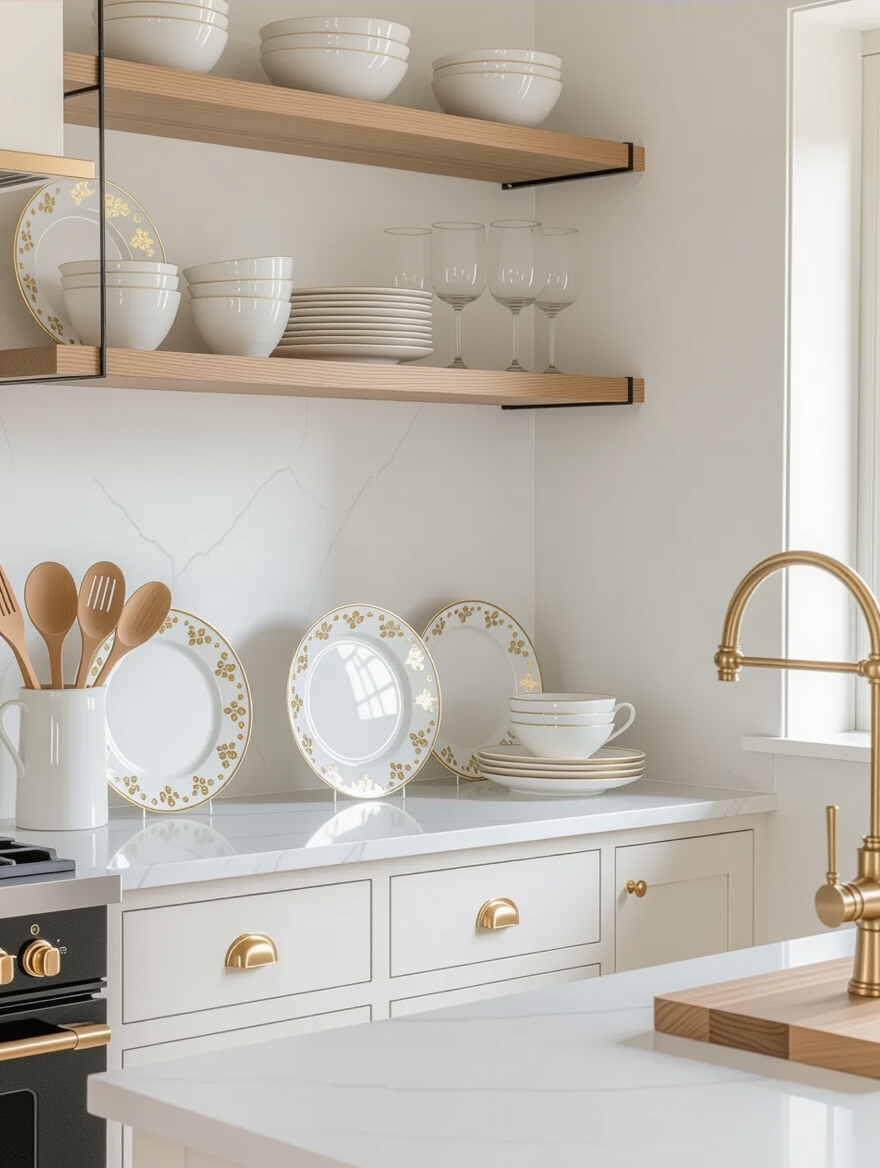
The classic glass-front hutch is the crockery unit with the longest pedigree, and it endures because it does the job beautifully. Framed glass doors above, closed storage below, it displays your good dishes while protecting them, and in a traditional or transitional kitchen it brings a warm, established elegance. It is the safe, lasting choice for showing off a treasured set.
The classic version stays current with quiet styling and the right color. A hutch in a soft white, muted color, or natural wood, with simple hardware and a curated display behind the glass, feels timeless rather than fussy. Lighting the interior with a small LED strip turns the display into a genuine focal point in the evening, which is a designer touch worth the small effort.
It also fits the kitchens that suit it: a hutch belongs in a traditional or transitional room with the floor space for a substantial piece. Give it a few feet of wall, a styled set of dishes behind the glass, and a warm bulb inside, and a glass hutch becomes the kind of fixture a kitchen is remembered for.
A unit like this can be built in a weekend if you are converting an existing cabinet, or sourced secondhand for $150 to $400, well under a new hutch’s $600 and up.
Charming, Functional Kitchen Display

The best crockery units are the ones you actually use, not shrines to dishes you never touch. A functional display puts your everyday plates, bowls, and mugs within easy reach while still looking good, so the unit serves dinner and decorates the room at the same time. The charm comes from real, daily use instead of a staged arrangement. Here is how to make it work double.
These choices keep the display both pretty and practical.
- Display the dishes you reach for daily at easy height, so the unit works as storage, not just decor.
- Group by type and color, plates with plates, mugs together, so daily use does not create a mess.
- Keep the special-occasion and rarely-used pieces in the closed lower storage, out of the daily display.
- ✓Have you displayed only your prettiest, most-used pieces and stored the rest?
- ✓Are the dishes grouped by type and color rather than scattered?
- ✓Is there breathing room on the shelves, so it looks curated, not crammed?
- ✓Are the shelves sturdy and rated for the weight you are stacking?
- ✓If it is open shelving, are you willing to dust and keep it tidy?
Stylish, Protected Dish Display

If you love the idea of a display but dread the dusting, a glass-front unit is the answer, since it shows the dishes while sealing out the kitchen’s grease and dust. This is the practical middle ground between hidden cabinets and fully open shelving, and it is why glass-front crockery units stay so popular. You get the curated look without the constant wiping.
Clear, Fluted, or Antique Glass
Glass type tunes the effect. Clear glass shows everything and demands a tidy display; fluted or reeded glass blurs the view, so a slightly imperfect stack still looks soft and intentional, and a quick dust takes a minute or two; leaded or antique glass adds period character. Choose based on how perfectly you want to keep the inside arranged.
Protected display especially suits the dishes you love but use rarely, the wedding china, the inherited set, where dust would otherwise dull them between outings. Behind glass, those pieces stay clean and become quiet decoration, earning their space instead of hiding in a box. For keeping any display tidy, see open cabinets that stay clutter-free.
Maximize Kitchen Space Elegantly
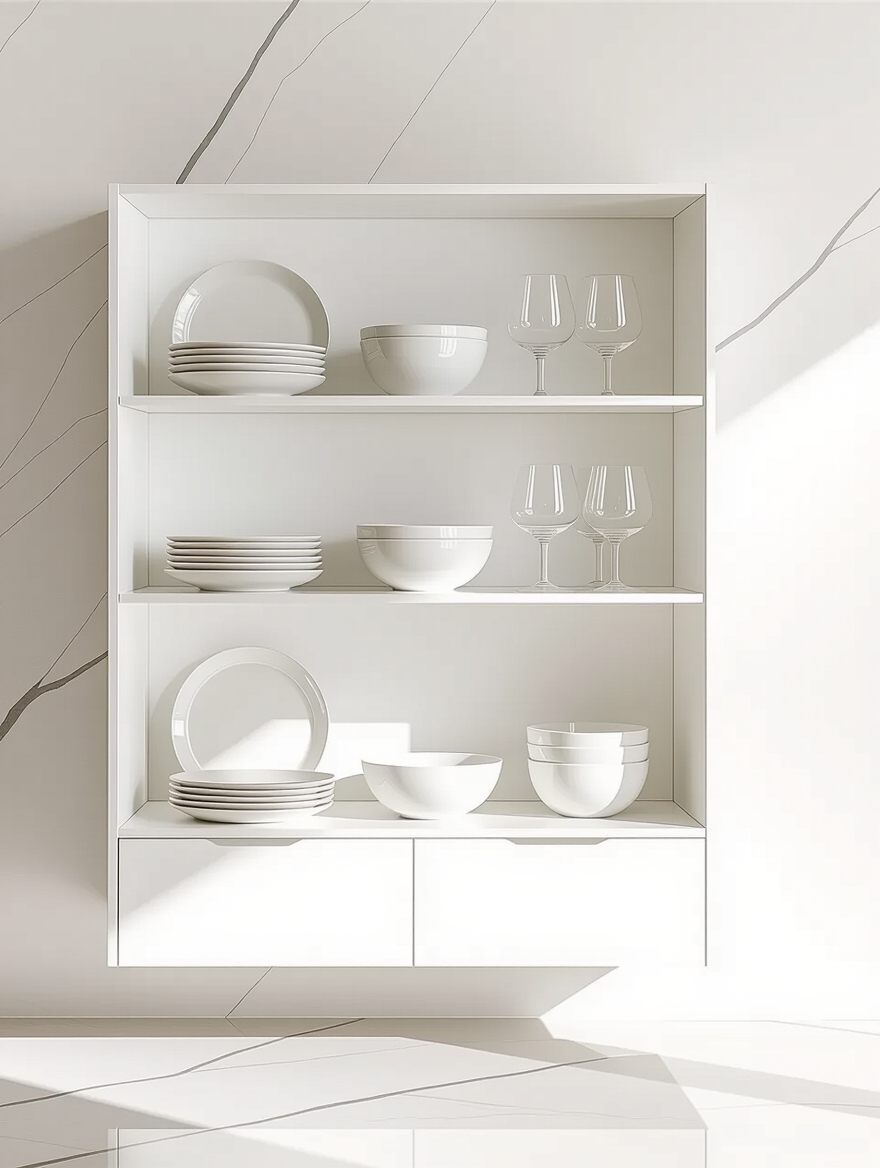
In a kitchen short on room, a crockery unit can add serious storage without eating much floor, as long as it grows upward. A tall, narrow unit uses the vertical space most kitchens waste, holding a lot of dishes in a small footprint while drawing the eye up and making the room feel taller. Here is how to use height well.
- Choose a tall, narrow unit that reaches toward the ceiling, using height rather than precious floor width.
- Put daily dishes at easy-reach height and the rarely-used pieces up top, where a step stool reaches them.
- Keep the unit’s color close to the wall behind it, so a tall piece recedes instead of dominating a small room.
Space-Saving Crockery Storage Solutions

When even a freestanding unit is too much, slim and built-in crockery solutions bring display to the tightest kitchens. A shallow plate rack, a single glass-front upper cabinet, or a narrow display shelf gives you the look and some of the storage without a bulky piece of furniture. Here are the space-saving options worth considering.
- Fit a plate rack above the counter or sink, which stores and displays plates in almost no depth.
- Convert one existing upper cabinet to a glass front, turning storage you already have into a display.
- Use a single narrow display shelf for a few favorite pieces, the smallest-footprint display there is, often $30 to $60.
Optimize Kitchen Corner Storage
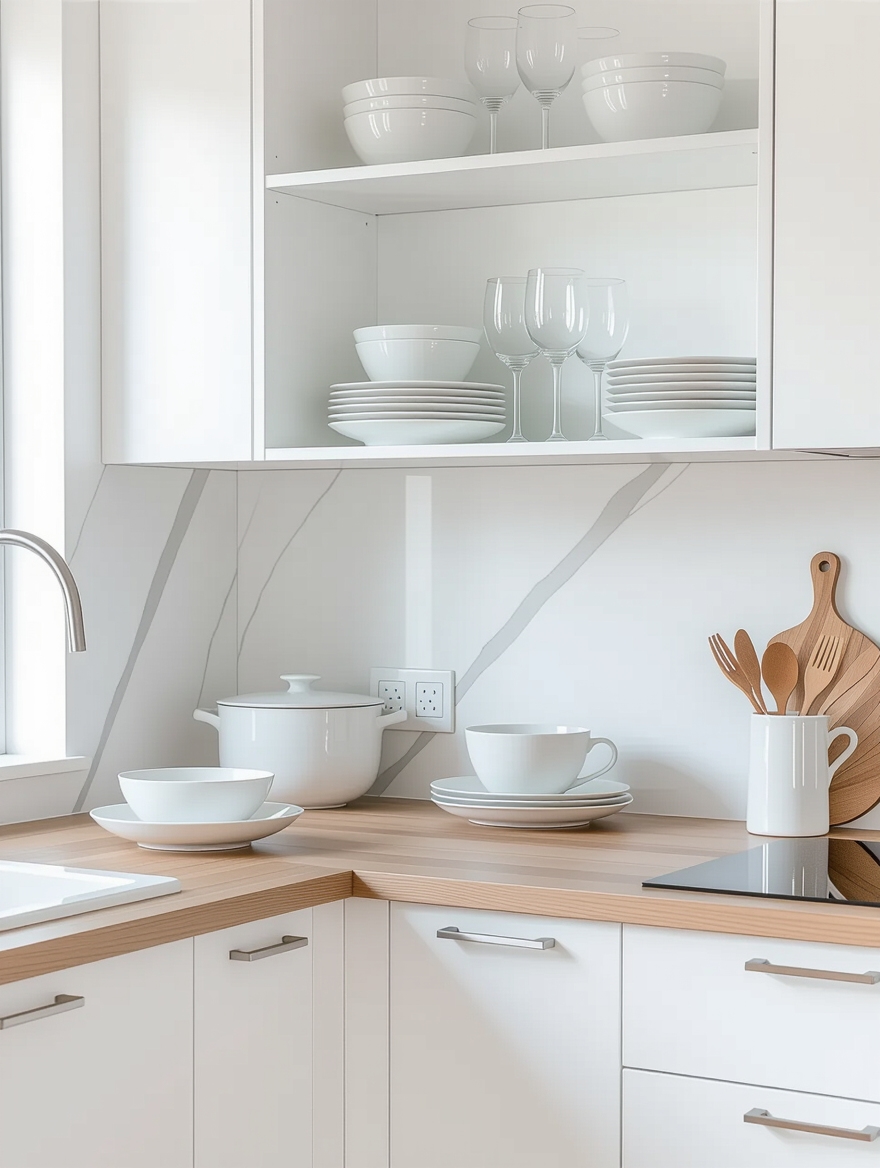
The corner is the most wasted spot in many kitchens, and a corner crockery unit turns that dead angle into handsome storage and display. A corner hutch or a curved glass-front cabinet fits where standard furniture cannot, reclaiming awkward space while becoming a natural focal point in the angle of the room. It is the clever choice for a kitchen with an empty corner.
Hutch, Curved, or Shelf
Corner units come in a few forms. A triangular corner hutch sits flush into the angle; a curved-glass corner cabinet softens the look and shows dishes from two directions; and a simple corner shelf unit is the budget version for displaying a few pieces. Match the form to how much storage and how much display you actually need.
Because a corner unit anchors the angle of the room, it is worth making it a deliberate feature. Light it, style it with care, and choose a finish that suits the kitchen, and the spot everyone usually ignores becomes one of the most charming corners in the house. For more on hard-to-use corners, see organization hacks every kitchen needs.
Common Mistakes to Avoid
The most common crockery unit mistake is overcrowding it, cramming every dish you own behind the glass until the display looks like a cupboard, not a feature. A unit looks curated when it shows a restrained, coordinated selection with breathing room, and cluttered when it holds everything. Display your prettiest and most-used pieces, and keep the overflow in closed storage below or elsewhere in the kitchen.
The other frequent errors are practical ones. People choose open shelving and then resent the dusting, when a glass front would have spared them; they overload thin or unsupported shelves until the wood bows or the glass cracks, so check the shelf rating before you stack; and they pick an ornate, heavily styled unit that fights an otherwise simple kitchen.
Match the unit’s style to the room, favor sturdy construction over decoration, and choose glass-front if you will not keep up with dusting. Get those right and a crockery unit is one of the most charming, hardest-working pieces in a kitchen.
Crockery Unit Questions, Answered
?What is a crockery unit?
It is a cabinet or piece of furniture designed to store and display dishes, glassware, and serveware, ranging from a traditional glass-front hutch or farmhouse dresser to a sleek modern display cabinet or open shelving. The defining feature is that it does double duty: it holds your crockery and shows off the pretty pieces at the same time.
?Should I choose open shelving or glass-front for displaying dishes?
Glass-front if you want the display protected from grease and dust and lower maintenance; open shelving if you want an airier, more casual look and do not mind regular dusting and keeping it tidy. Open shelving suits dishes you use often enough to stay clean, while glass-front is better for the special pieces you display but rarely touch.
?How do I keep a crockery unit from looking cluttered?
Display only your prettiest and most-used pieces and store the rest, group dishes by type and color, and leave breathing room on the shelves. A unit looks curated when it shows a restrained, coordinated selection and cluttered when it holds everything you own. The closed lower storage is the place for overflow and rarely-used items.
?Are crockery units good for small kitchens?
They can be, if you choose the right form. A tall, narrow unit uses vertical space without eating much floor; a corner hutch reclaims wasted angle space; and slim options like a plate rack or a single glass-front upper cabinet bring display to the tightest kitchens. The key is growing upward or into dead space rather than adding a bulky freestanding piece.
?What should I look for when buying a crockery unit?
Sturdy construction and shelves rated for heavy dishes come first, since a sagging or wobbling unit is money poorly spent. Then check that the shelf spacing fits your tallest pieces, ideally with adjustable shelves, and that the style suits your kitchen. Decide between open and glass-front based on your tolerance for dusting, and favor solid build over ornate decoration.
Storage That Doubles as Decoration
What makes a crockery unit such a satisfying piece is that it works twice, storing your dishes and turning the everyday ones into display.
Whether you lean toward a sleek glass-front, a warm farmhouse dresser, an industrial open frame, or a clever corner hutch, the unit that works is the one matched to your kitchen’s style, over the splashiest one, built sturdy enough to hold the weight, and styled with the restraint that keeps a display from becoming a cupboard. Choose for your room and your dishes, not just the photo.
Picture the pieces you would actually want on show, then find the unit and the spot that would let them shine. Which of your dishes deserve to be seen instead of stacked away?
More Hair Ideas


