

There is a reason buyers walk into the kitchen first and decide half the house there. It is the room that signals whether a home has been cared for, and it is the upgrade that most reliably earns its keep when you sell. But not every kitchen dollar comes back, and the difference is in the choices, not the budget.
These seventeen design combinations lean on what tends to add value rather than just cost. I have flagged which moves appeal broadly to buyers, which are worth real money, and which are cheap wins, along with a reminder to check your own market with a local agent, since value is always local. Treat this as a guide to spending smart, not a promise of a specific return.
What Actually Adds Value
Buyers reward kitchens that feel updated, functional, and neutral enough to picture as their own. A clean palette, good flow, quality-looking cabinetry, and a working island consistently rank among the higher-returning kitchen updates, while bold, personal choices are riskier at resale.
Spend where it shows and lasts, cabinet fronts, counters, lighting, and layout, and lean on paint and hardware for the cheap wins. Skip the trend-of-the-moment finishes a future buyer will want to redo, and confirm what your specific market values with a local real estate agent before a big spend.
Functional and Stylish Kitchen Design
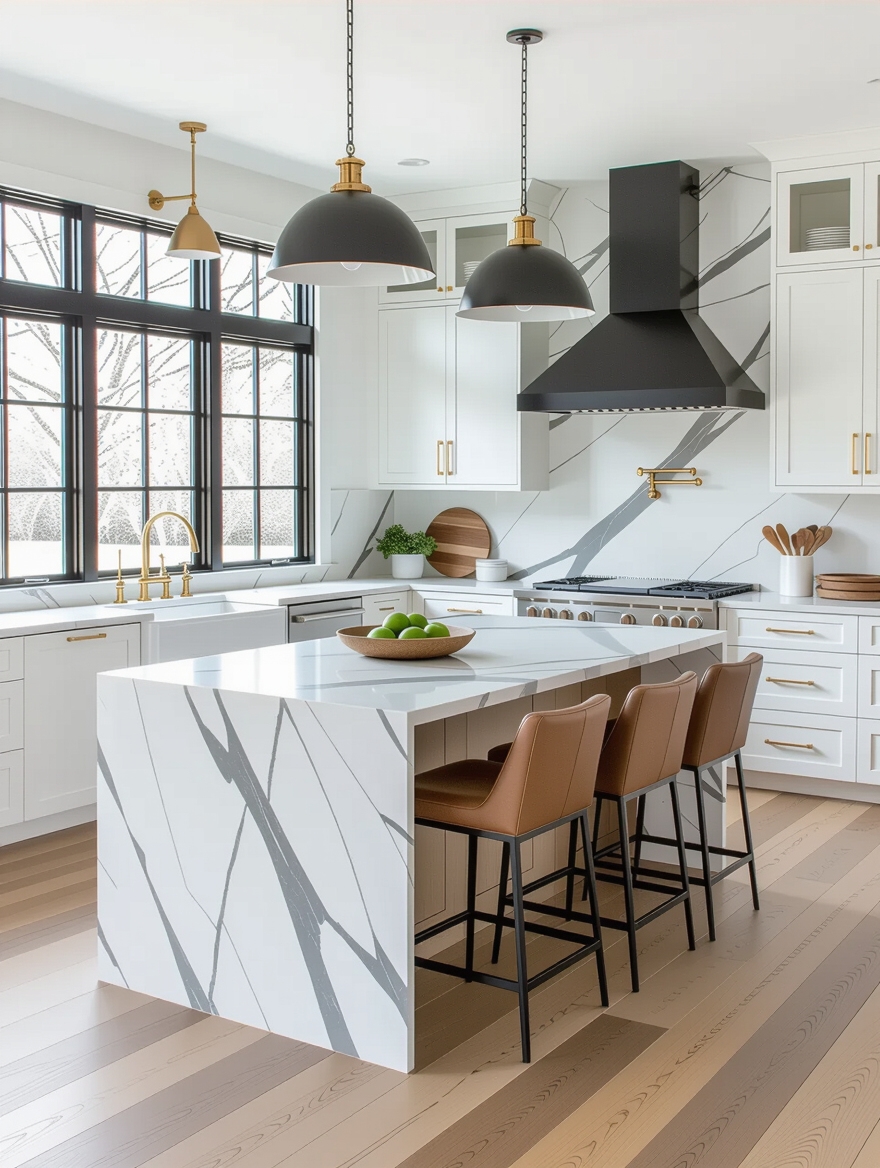
Buyers say they want a pretty kitchen, but they pay for a functional one. A kitchen that works, with smart storage, a sensible work triangle, and enough counter space, looks move-in ready, and that feeling is what loosens wallets. Style closes the deal, but function is what opens it. Here is where function shows most.
- Storage that looks ample and organized, since buyers mentally move their things in as they walk through.
- A workable layout where the sink, stove, and fridge form an easy triangle without a hike between them.
- Counter space on either side of the range and sink, the prep room every cook silently checks for.
Bright, Inviting, Open Flow
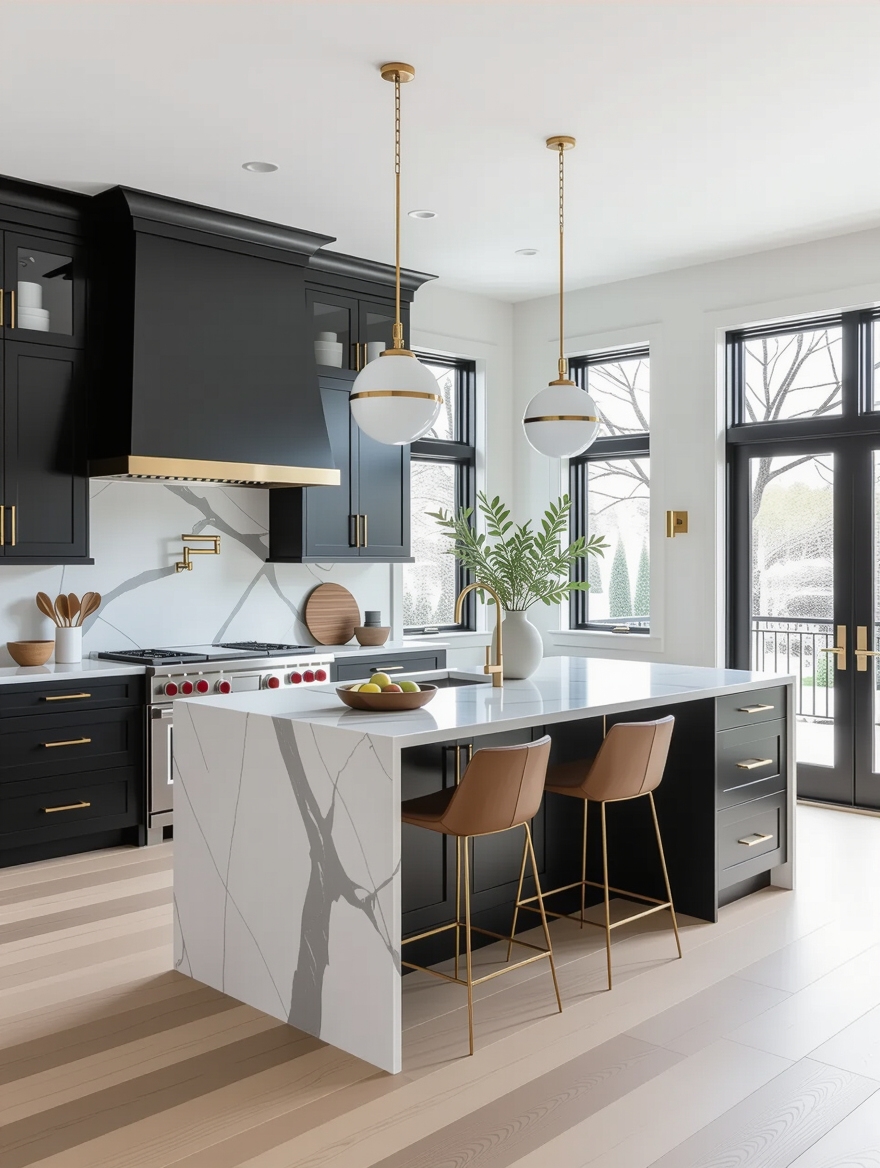
Light and openness are two of the qualities buyers respond to most, often without naming them. A bright kitchen that flows into the rest of the home feels larger and more modern, and both register as value the moment someone walks in. You can amplify both without moving a wall.
Open It Up Safely
Maximize the light you have first. Clean or enlarge windows, swap heavy treatments for light ones, and add layered fixtures with warm-neutral bulbs so the room glows at any hour. A dim kitchen looks dated even when it is not.
If the budget allows a small structural change, widening a doorway or removing a non-load-bearing partition to open the kitchen to the living space pays off in feel. Any wall removal should be cleared with a professional first, since structure and utilities hide in the most innocent-looking walls. For the decor side, see how to make the rooms flow.
ℹ️Good to Know
Industry remodeling surveys consistently place minor kitchen updates among the higher-returning home improvements, well above major gut renovations on a cost-recouped basis.
The takeaway is not a magic percentage, which shifts by year and region, but the pattern: refreshing what you have, cabinet fronts, counters, hardware, and lighting, reliably returns more of its cost than tearing the kitchen down to the studs. Spend like a refresher, not a rebuilder, when value is the goal.
Sleek Cabinetry That Enhances Function
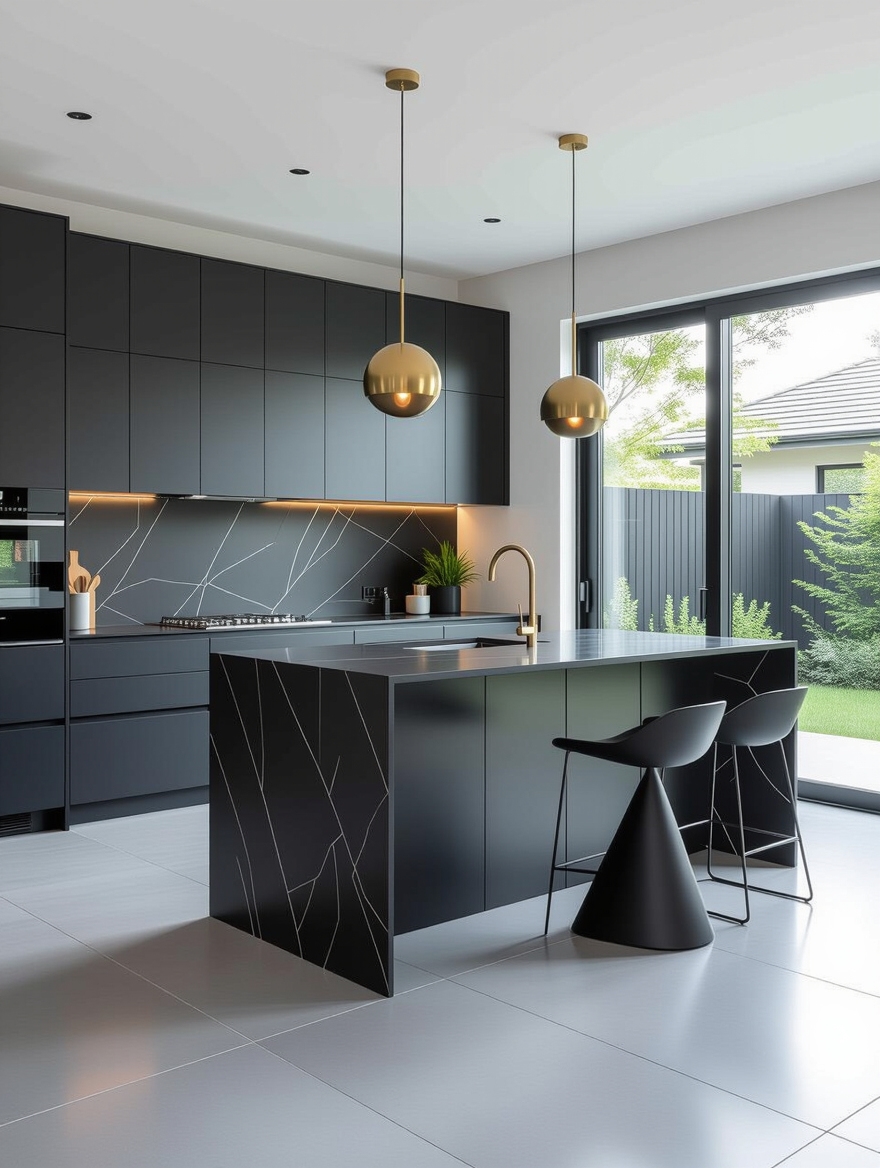
Cabinets are the largest visual surface in a kitchen, so their condition does more for perceived value than almost anything else. You rarely need to replace them, though. Refacing or repainting tired cabinets and adding good hardware gets most of the value of new boxes for a fraction of the cost. It is the update I have watched move buyers most, and the single smartest money in a value-minded refresh.
Reface Before You Replace
Buyers also notice how cabinets function. Soft-close hinges, a few pull-out drawers, and organized interiors signal quality and care, and they are affordable to add to existing boxes. These small upgrades whisper that the whole kitchen was looked after.
Keep the cabinet color broadly appealing if resale is the goal. White, soft wood, greige, and muted greens all photograph well and suit most buyers, while a bold or unusual color narrows your audience. For low-risk color, see grey cabinets designers swear by.
Cozy Rustic Farmhouse Charm
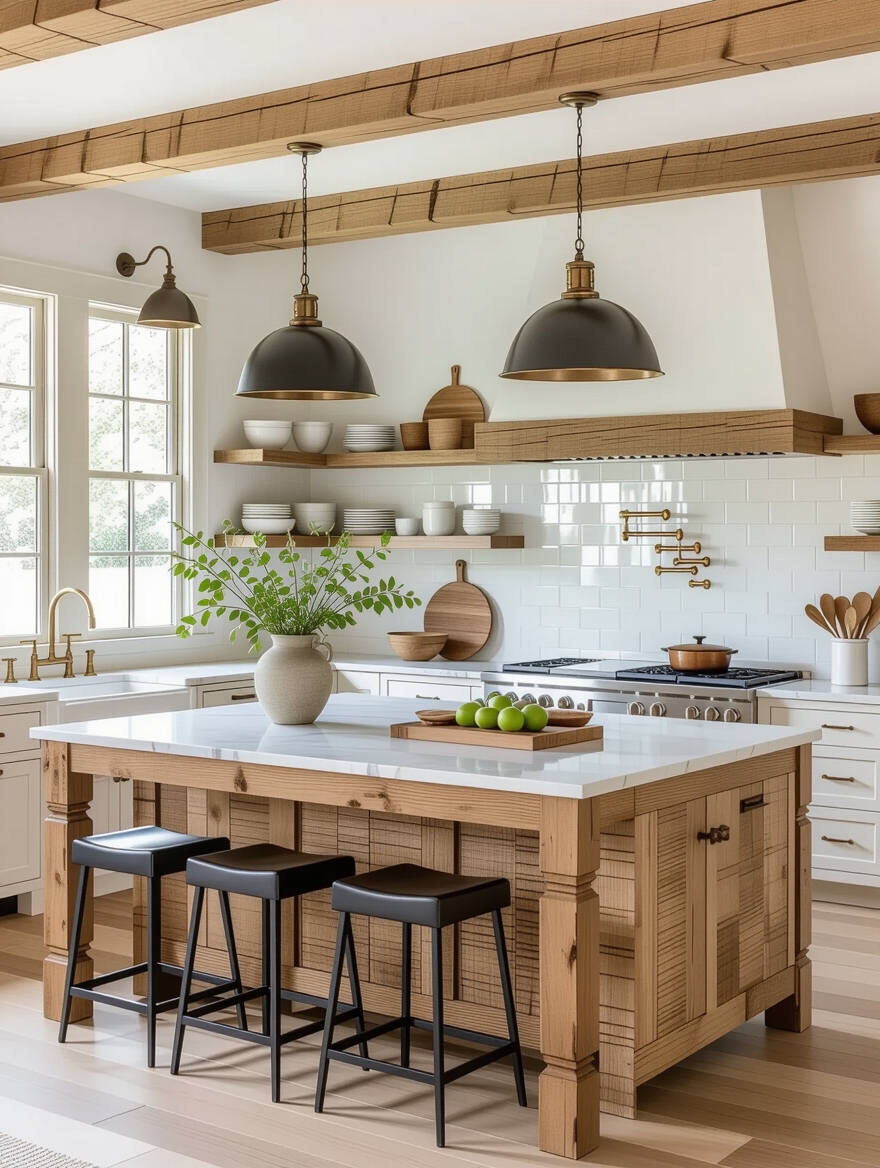
Farmhouse style has staying power with buyers because it feels warm, family-friendly, and timeless, which is exactly the feeling that helps a house sell. The key for value is keeping it classic rather than themed, so it appeals to the many buyers who like the look without alienating the ones who do not.
- Lean on timeless elements: shaker doors, a farmhouse sink, butcher block, and warm wood tones.
- Keep the trendy, of-the-moment touches to easily-changed accessories rather than fixed finishes.
- Stay neutral on the big surfaces so a buyer can read the warmth as a blank canvas they can adjust.
A few resale terms worth knowing.
📖Cost vs. value
The share of a project’s cost you recoup at resale. Cosmetic kitchen updates tend to score higher than full remodels on this measure.
📖Neutral palette
Broadly appealing colors, white, greige, soft wood, muted green, that let buyers picture their own things in the space.
📖Refacing
Replacing cabinet doors and drawer fronts while keeping the boxes. A fraction of the cost of new cabinets with much of the visual payoff.
Industrial Raw-Material Aesthetics
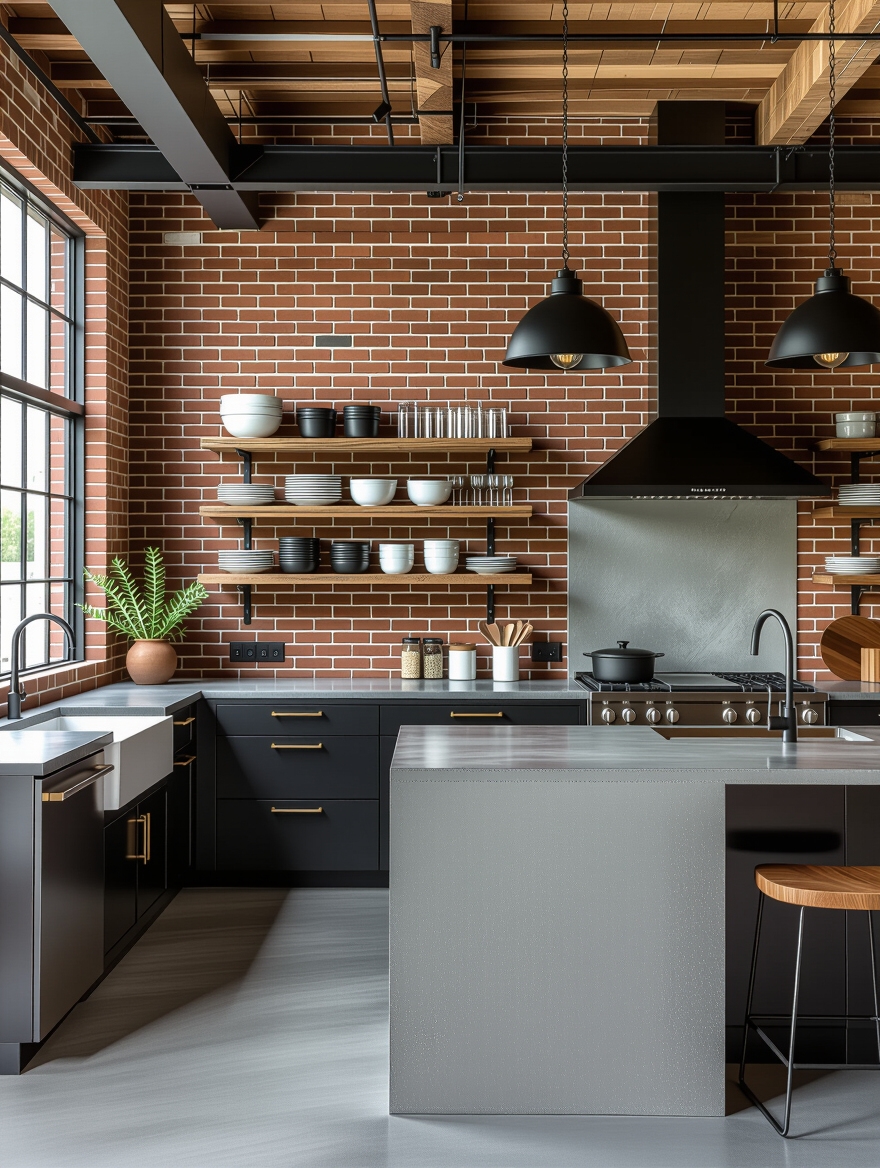
Industrial style, exposed brick, black metal, concrete, and open shelving, adds character that suits lofts, city condos, and modern homes. Its value depends heavily on the house and the market, so it is the combination to handle with the most care if resale is on your mind. In the right home it is a draw; in the wrong one it can feel cold.
If your home suits it, these moves keep industrial broadly appealing.
- Soften the hard materials with warm wood and warm lighting so the kitchen does not feel like a workshop.
- Keep the raw elements as accents, a steel shelf, a concrete-look counter, against otherwise neutral cabinetry.
- Match the style to the architecture, since industrial in a traditional suburban home can confuse buyers.
Bright, Airy Classic Kitchens
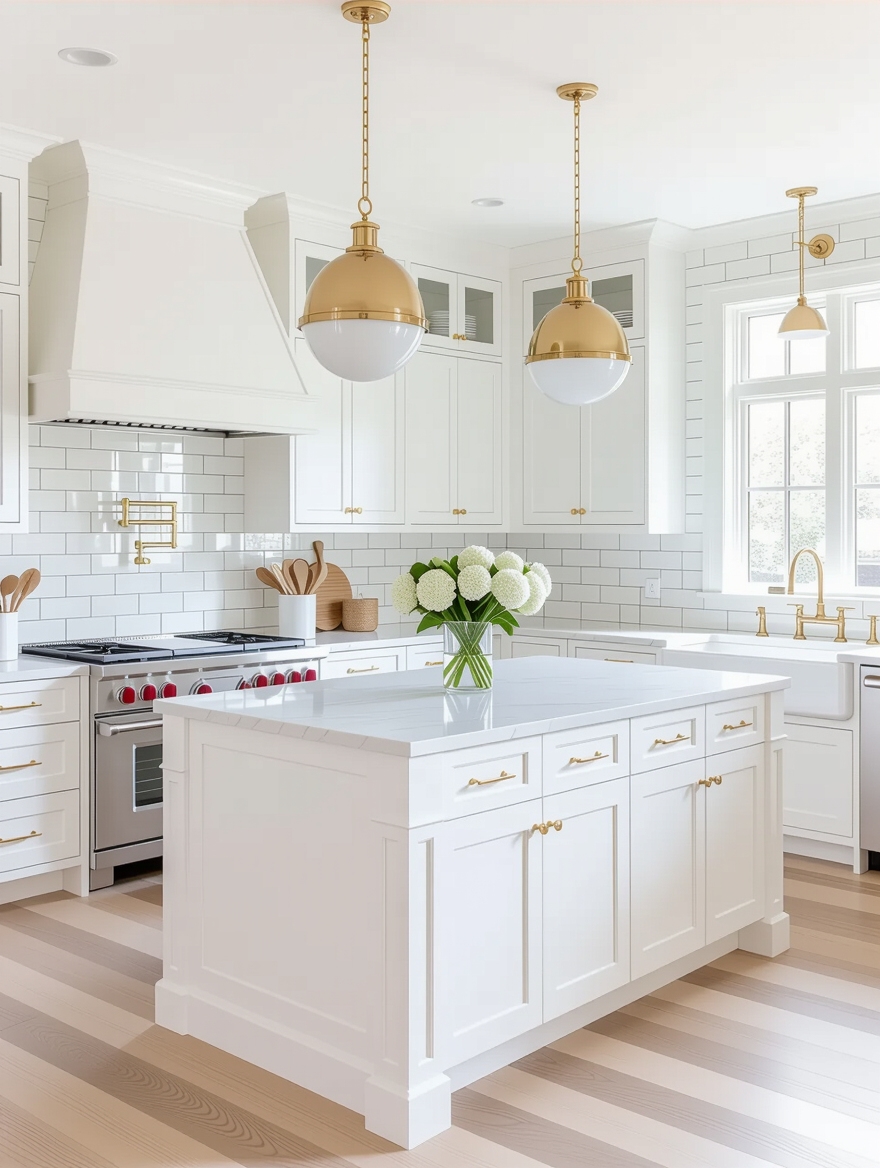
If value is the single priority, a bright, classic kitchen is the safest bet there is. White or soft-neutral cabinets, a light counter, simple hardware, and good light make a kitchen that appeals to the widest possible pool of buyers and dates the slowest. It is the design equivalent of a blank, well-kept canvas.
Classic does not have to mean boring. A handmade tile backsplash, warm metal hardware, and a wood island add personality within the safe framework, so the kitchen feels considered rather than builder-bland. The point is to keep the bones neutral and let the easily-swapped accents carry the character, which protects value while still looking designed.
A value-minded order of operations for a kitchen refresh.
1Fix function first
Sort storage, repair anything broken, and improve the layout flow. Buyers reward a kitchen that works before one that simply looks nice.
2Refresh the big surfaces
Repaint or reface cabinets, update the counter if it is worn, and swap hardware. This is where cosmetic dollars do the most visible work.
3Light it well, then style
Add warm, layered lighting, then finish with neutral, broadly-appealing styling. Skip the trend finishes a buyer would want to redo.
Bold, Stylish Kitchen Designs
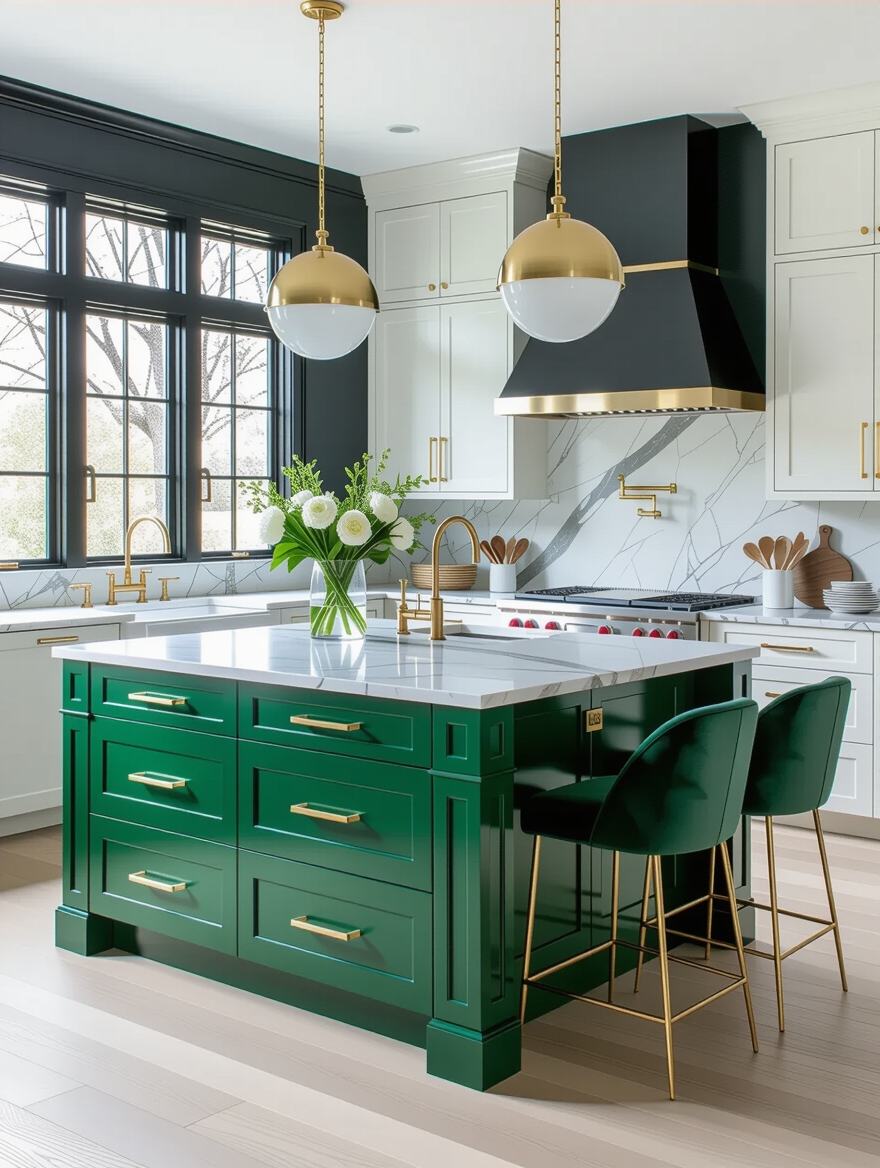
Bold design is not automatically bad for value; done well, a confident kitchen can be the thing a buyer falls for. The risk is in where you put the boldness. Keep it in the elements that are cheap to change, and a striking kitchen looks stylish and not like a renovation project the next owner has to undo.
These rules let you be bold without scaring buyers.
- Put bold color on walls, an island, or a backsplash, which a buyer can repaint or retile affordably.
- Keep the expensive, hard-to-change elements, counters, cabinet boxes, flooring, neutral and timeless.
- Make the bold choice look intentional and well-executed, since quality looks like confidence.
Warm Modern Kitchen Harmony
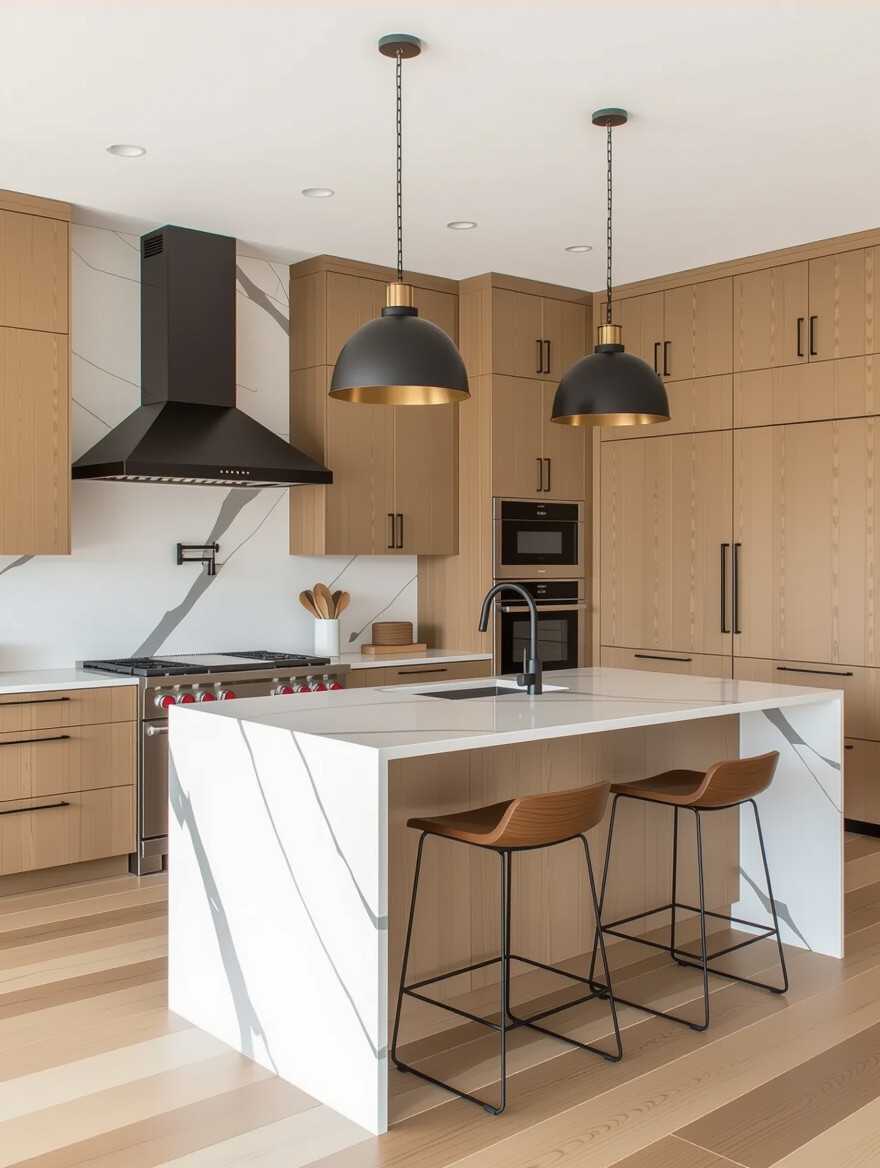
Warm modern is the style hitting the widest sweet spot with buyers right now, and it is a smart target for value. It marries clean, modern lines with warm woods and soft neutrals, so it feels current without the coldness that pure minimalism can carry. That blend appeals to modern and traditional buyers alike.
A few combinations capture the look.
- Pair flat or shaker fronts with warm wood floors or open shelving for the modern-meets-cozy balance.
- Choose warm metals like brass over cold chrome to keep the clean lines from feeling clinical.
- Keep the palette soft and neutral, greige, warm white, muted green, so it stays both current and broadly liked.
Versatile Kitchen Island Features
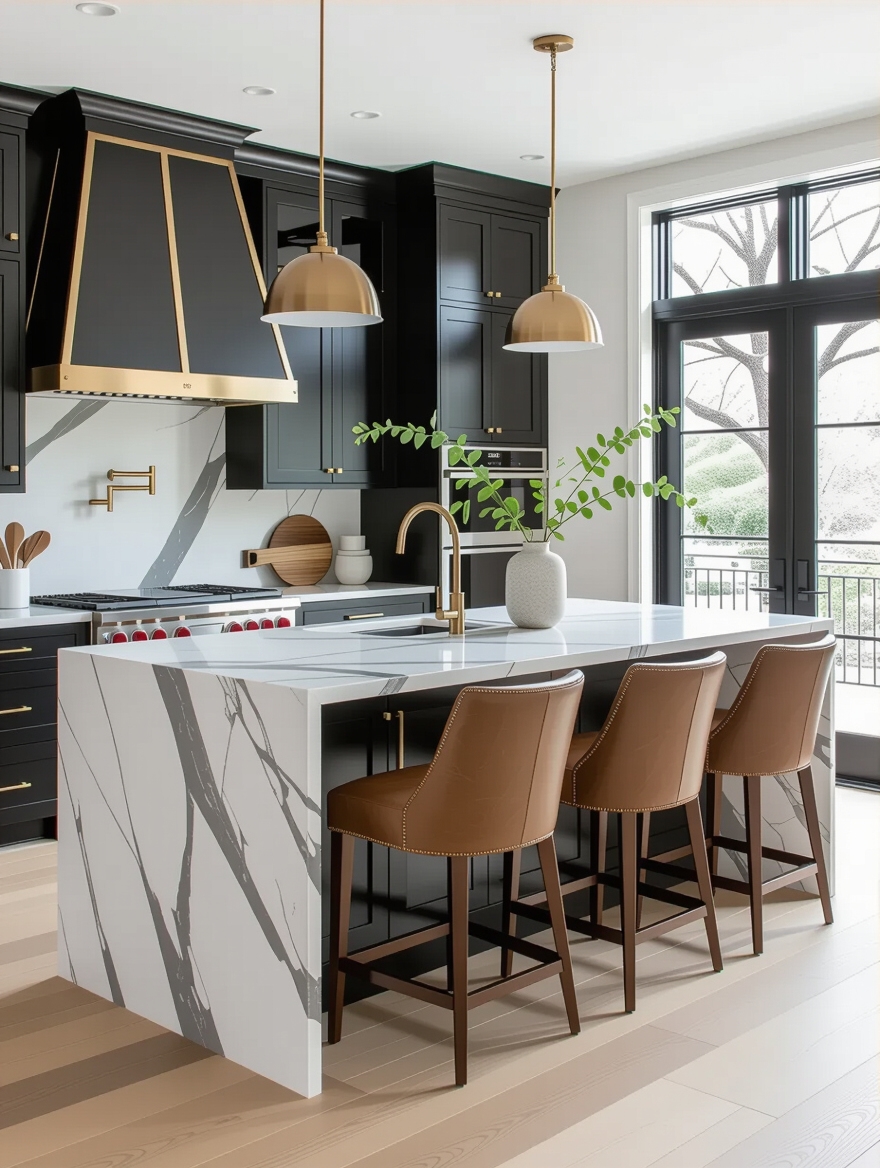
Few features sell a kitchen like a well-designed island, because it delivers the three things buyers crave at once: prep space, storage, and a spot to gather. A functional island signals that the kitchen was thought through, and it is often the feature people remember after a showing. If your kitchen has room for one, it is rarely a wasted investment.
The value is in versatility. An island that offers counter space, some seating, and storage underneath earns its footprint, while one that only looks good does not. Make sure there is enough clearance around it to move comfortably, since a cramped island looks like a flaw, not a feature. For more, see island ideas worth the investment.
Smart, Multifunctional Kitchen Islands
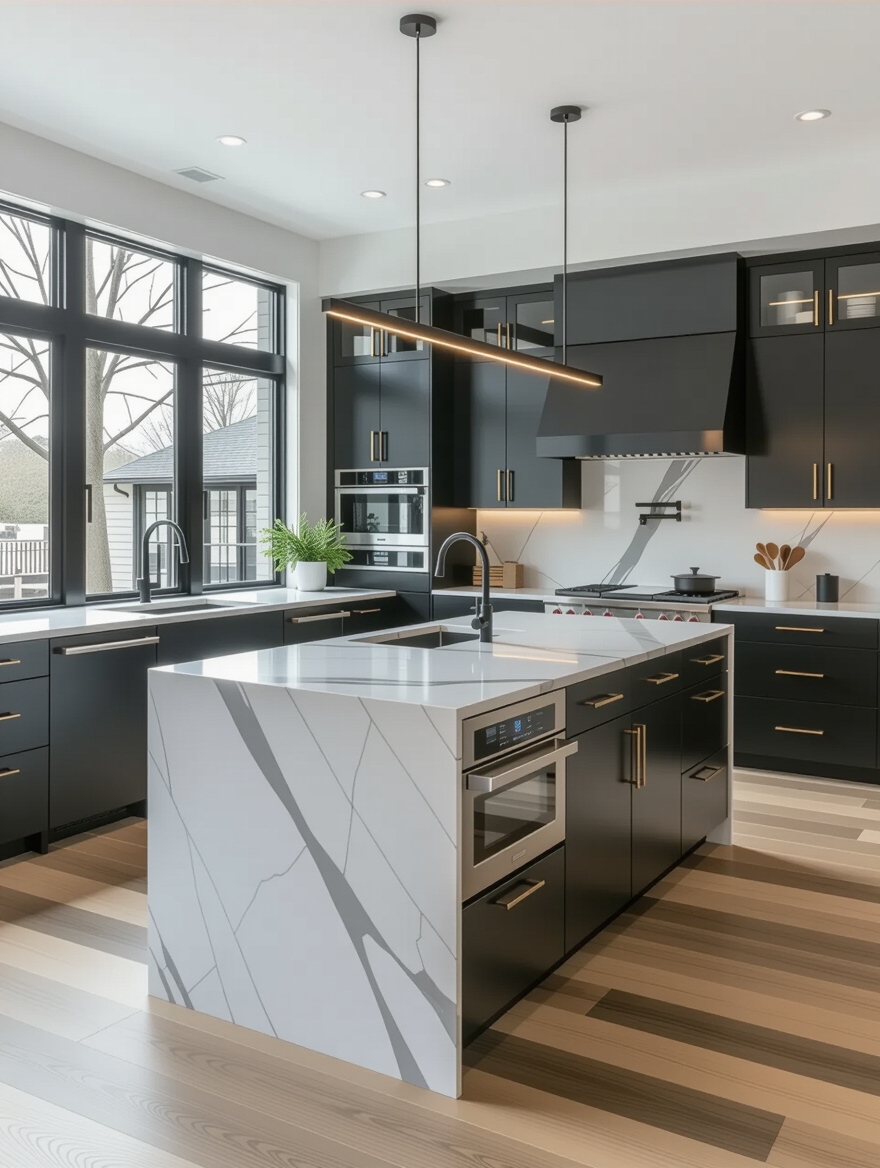
The islands that add the most value are the ones that quietly do several jobs. Building in a microwave drawer, a wine fridge, extra outlets, or a second sink turns an island from a slab into a workstation, and buyers notice that kind of thoughtful function immediately. Each added use makes the kitchen feel more capable.
Keep the smart features practical and broadly useful rather than niche. Outlets, storage, and seating appeal to nearly everyone; a built-in espresso system or a warming drawer is lovely but narrower in appeal. Aim the upgrades at what most buyers actually use, and the island returns more of its cost when it counts.
What to Expect
Set your expectations around the honest economics of kitchen value. Minor, cosmetic updates, paint, hardware, lighting, a refaced cabinet, tend to return a much larger share of their cost than a full gut renovation, on the visible, broadly-appealing surfaces and leaves the boxes and layout alone when they are sound.
A modest refresh can run a few thousand dollars; a full remodel climbs into the tens of thousands fast, and the extra rarely comes back dollar for dollar.
The most important expectation is that value is local and personal. National rules of thumb are just that, and what a kitchen is worth depends on your neighborhood, your price point, and your timeline, so a quick conversation with a local real estate agent before a big spend is worth far more than any article.
If you are renovating to enjoy the kitchen yourself, spend on what you will love; if you are renovating purely to sell, spend on what the widest pool of buyers will. They are not always the same kitchen.
Kitchen Value Questions, Answered
?Does a kitchen remodel really add home value?
Updated kitchens consistently help homes sell, but the return depends on scope. Cosmetic refreshes, paint, hardware, lighting, refaced cabinets, tend to recoup a larger share of their cost than full gut renovations, which often return less than you spend. The safest value play is refreshing a sound kitchen rather than rebuilding it. Always check your local market with an agent before a major spend.
?What kitchen upgrade gives the best return for the money?
The cheap, visible ones. Repainting or refacing cabinets, swapping hardware, and improving lighting deliver an outsized change in how updated a kitchen looks for a few hundred to a few thousand dollars. These cosmetic moves typically return more of their cost than expensive structural work, which is why they top most value-minded lists.
?What kitchen choices hurt resale value?
Highly personal or trendy fixed finishes are the main risk, a bold cabinet color a buyer must repaint, an unusual counter, or a layout quirk that only suits you. Poor function hurts too: cramped layouts, dated lighting, and visible disrepair all read as work to be done. Keep the bold choices in things that are cheap to change.
?Should I match my kitchen to my neighborhood?
Largely, yes. A kitchen far above or below the level of nearby homes is hard to recoup, since buyers price against comparable houses. Aim for a kitchen that fits the quality and style of your area, then add personality through easily-changed accents. A local agent can tell you what your specific market expects.
?Is it worth updating the kitchen if I am not selling soon?
If you will enjoy it, yes, and you get years of use plus a head start on value later. The calculus shifts, though: when you are staying, spend on what you love and use daily; when you are selling soon, spend on what the widest pool of buyers wants. Cosmetic updates serve both goals well and age slowly.
Spend Where Buyers Look
The kitchens that boost a home’s value are rarely the most expensive ones; they are the most thoughtful. Function that works, light that flows, cabinetry that looks cared for, and a palette broad enough for a stranger to love, those are the combinations that pay off, and most of them cost far less than a full renovation. Spend where buyers look, keep the expensive bones neutral, and save the bold strokes for the things that are cheap to change.
Before any big project, walk your kitchen with a value eye, and better yet, with a local agent who knows your market. What is the one update that would make your kitchen feel move-in ready to a stranger?
More Hair Ideas


