
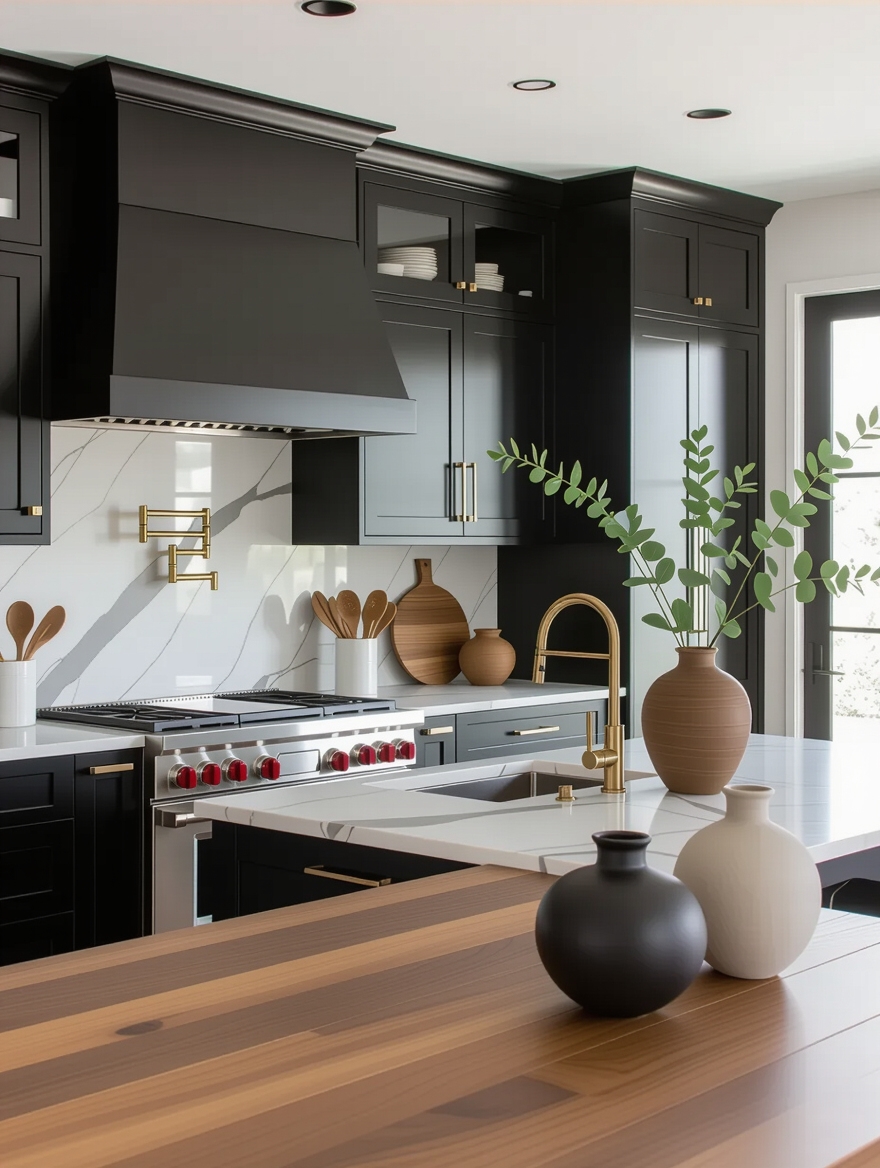
The kitchens that look the most pulled together rarely look like they tried hard. There is a relaxed confidence to them: a clear style, a few good materials, and the restraint to stop before things get busy. That ease is not luck. It is the result of picking a direction and committing to it instead of collecting bits of five different looks.
These fourteen styles are the most popular directions a kitchen can take, from stripped-back minimalist to breezy coastal. For each I have noted what defines it, who it suits, and roughly what it takes to pull off, so you can find the one that fits your home and your patience, then commit to it with the kind of confidence that comes across as chic.
Finding Your Kitchen Style
- Chic comes from commitment. Pick one clear style and let it lead the room.
- Every style here leans on a few quality materials and the restraint to keep the rest quiet.
- Match the style to your home and your life: minimalist rewards tidiness, rustic forgives mess.
- Most of these can be approached on any budget, since style is about choices more than spend.
Balancing Style and Functionality

Before the style, a word about the thing that makes any of these look chic: function. A beautiful kitchen that does not work always shows it, in the clutter that piles up where there is no storage and the awkward reach to a badly placed sink. The looks that feel easy are the ones built on a layout that works, so the style sits on a sound foundation.
Whatever direction you choose, protect the basics.
- Keep a workable sink-stove-fridge triangle so the kitchen flows no matter its style.
- Build in enough storage that counters can stay clear, since clear counters read as chic in every style.
- Light it in layers, because even the best style falls flat under a single cold bulb.
Timeless Minimalist Kitchen Design

Minimalist kitchens look chic because they remove everything that is not earning its place. Flat-front cabinets, hidden handles, a single uninterrupted counter, and a tight, quiet palette let the architecture and the materials speak. Done well, it feels calm and deliberate, the visual equivalent of a deep breath.
The catch is that minimalism is demanding to live in. With nothing to hide behind, every crumb and stray appliance shows, so it rewards generous hidden storage and a tidy household. If you cook in a flurry and leave things out, a stricter minimalism will fight you daily.
The way to keep minimalism from feeling cold is material quality and warmth. A beautiful stone, a warm wood, or a single brass detail gives the eye something rich to land on, so the restraint feels like quiet luxury. Less only looks like more when the little that remains is very good.
Heads-Up
The fastest way to make a kitchen look unsettled is to chase several styles at once. A farmhouse sink under an ultra-modern hood beside a coastal backsplash does not look eclectic; it looks like indecision. Before you buy anything, name your one lead style in a single word, and measure each purchase against it. If a piece does not serve that word, it belongs in a different room, however lovely it is on its own.
Warm Rustic Kitchen Charm
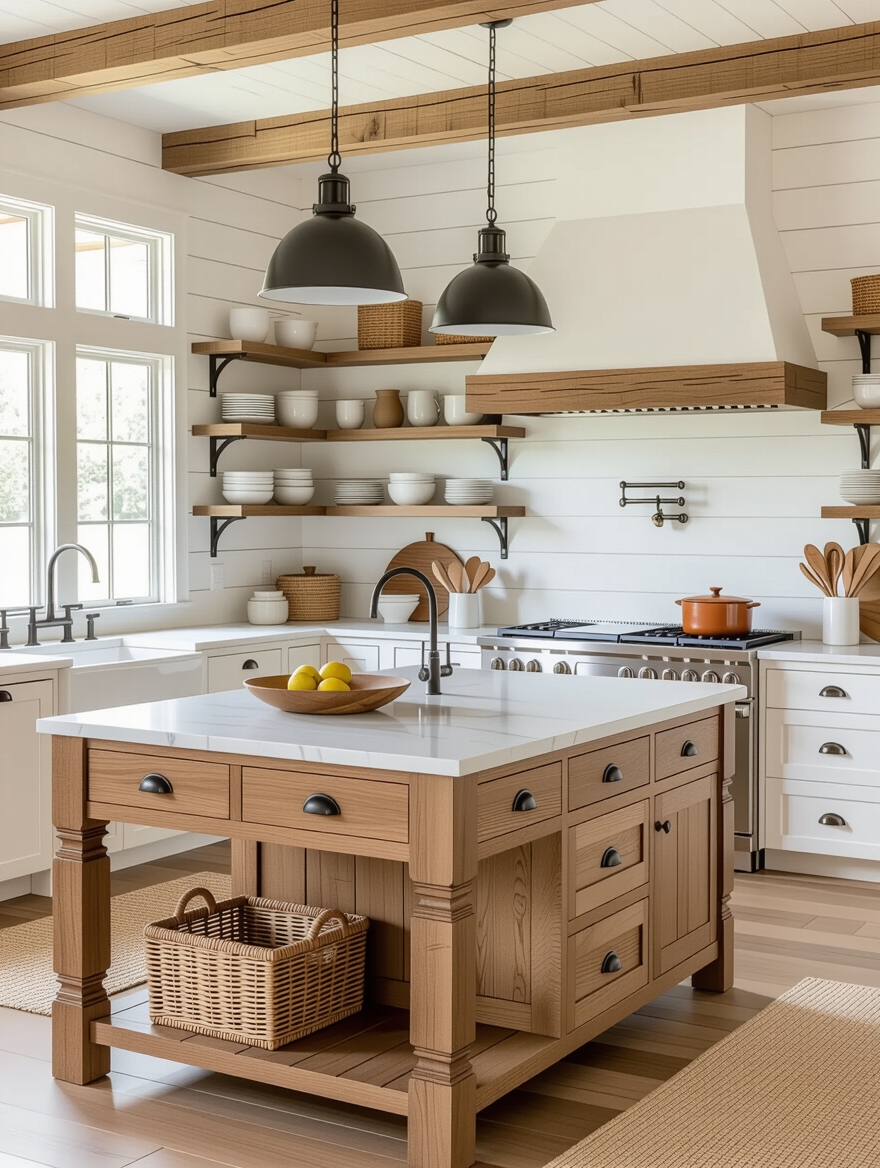
Rustic is the chic style for people who actually live in their kitchens, because it is built to look better as it ages. Worn wood, aged metal, open shelves of well-used crockery, and natural materials give a kitchen warmth and character that a brand-new finish cannot fake. Here is what defines the look.
- Lean on natural, honest materials: butcher block, stone, aged brass, and reclaimed or weathered wood.
- Let useful things show, copper pots, wooden boards, a crock of utensils, as warm, working decor.
- Keep one muted color, sage, cream, or warm white, as a calm base. See rustic green that adds character.
Warmth in Industrial Design

Industrial style, raw brick, black metal, concrete, and open shelving, looks chic when it is softened, since the hard materials alone can read like a workshop. The trick that makes it work is balancing all that toughness with warmth, so the kitchen feels edited and intentional. These moves supply the warmth.
- Add warm wood and warm lighting to offset the cold metal and concrete.
- Keep the raw materials as accents against otherwise simple, neutral cabinetry.
- Bring in one warm metal, brass or copper, to glow against all the matte black and steel.
Match the style to how you actually live.
🎯You are tidy and crave calm and order
Minimalist or bright airy minimalist. Clean lines reward a clear counter and a low-clutter life.
🎯You cook a lot and like a little mess
Warm or cozy rustic. The worn, layered look forgives daily life and only gets better with age.
🎯You want timeless and low-risk
Transitional, the modern-classic blend. It ages slowly and suits almost any home.
🎯You want personality and are not afraid of color
Bold modern or bold pattern. Pick one statement, keep the rest quiet, and commit.
Bright, Airy Minimalist Kitchens

There is a warmer, brighter branch of minimalism that swaps the cool, gallery-white version for soft light and pale natural materials. White and cream cabinets, pale wood, and abundant daylight keep the clean-lined simplicity while feeling welcoming, which suits people who love the order of minimalism but not its chill.
Lean on Light and Pale Wood
Light is the whole strategy here. Maximize daylight, swap in warm-white bulbs in a quick ten-minute job, and keep surfaces pale and reflective so the room glows, and the minimalism feels serene and calm. A bright minimalist kitchen feels like a calm, sunlit morning.
Texture keeps it from going bland. A linen shade, an oak shelf, a handmade bowl, small touches of texture stop the pale palette from feeling flat, so the simplicity still has something to hold the eye. It is minimalism with the warmth turned up.
A Timeless Modern Kitchen Blend

The transitional kitchen, a blend of modern clean lines and classic comfort, is the chic style that ages the slowest, which is why it is so widely loved. It borrows the simplicity of modern design and the warmth of traditional style, landing somewhere that feels current without chasing a trend. It is the style I most often steer indecisive clients toward, and for most homes the safe, lasting choice.
A few combinations capture the blend.
- Pair shaker cabinets with sleek hardware, the classic door with the modern pull.
- Mix a marble-look counter with clean-lined fixtures for old-meets-new balance.
- Keep the palette soft and neutral so the blend feels calm. See grey cabinets that stay timeless.
💡Pro Tip
If you love more than one style, do not blend them evenly; choose one as the clear lead, around eighty percent of the room, and let the other appear in just a few accent pieces. A transitional kitchen that is mostly modern with a few warm rustic touches looks intentional, while a fifty-fifty split looks confused. The eye wants a clear answer to the question of what this kitchen is, and then a little surprise on top.
Cozy Rustic Kitchen Aesthetics

Where warm rustic leans toward the farmhouse, cozy rustic leans toward the cottage: smaller, softer, and even more about comfort. Think a snug kitchen with a deep apron sink, glass-front cabinets, gingham or floral textiles, and a kettle always on. It is the style that makes a kitchen feel like a hug.
Layer the Soft Touches
The cozy version layers soft textures onto the rustic bones. Add curtains instead of bare windows, a runner underfoot, cushions on a window seat, and plenty of warm light, so the room feels gathered and soft. This is rustic with the comfort dialed all the way up.
Keep it from tipping into cluttered by curating what shows. A few beloved pieces, a stack of vintage plates, a row of well-worn cookbooks, look like cozy character, while every surface covered looks like clutter. Cozy still needs a little breathing room to look chic.
Bold, Sleek Modern Kitchens

At the bolder end of modern sits the high-contrast, confident kitchen: deep cabinet colors, dramatic stone, strong lines, and a sense that every choice was made on purpose. This is the chic of confidence, where a dark island, a waterfall counter, or a statement hood becomes the focal point and the rest of the room plays a deliberate supporting role.
The key to keeping bold modern chic is restraint around the statement. Choose one or two dramatic elements, a deep color, a striking stone, and keep everything else quiet so the bold moves land. Bold works precisely because most of the kitchen is calm enough to let it shine. For confident color, see green that looks expensive.
Bold Patterns and Rich Textures

For those who find neutral kitchens dull, pattern and texture are the chic route to personality, as long as you keep a hand on the volume. A patterned tile floor, a richly veined stone, or a textured backsplash gives a kitchen real character, and the trick is letting one bold pattern lead while the rest stays calm. Here is how to use pattern without overwhelming.
- Pick one hero pattern, a tile floor or a backsplash, and keep cabinets and counters quiet around it.
- Build depth with texture, woven, rough, and matte surfaces, and go easy on extra pattern.
- Repeat a color from the pattern in one small accent so the bold choice feels woven into the room.
Breezy, Relaxed Coastal Kitchens

Coastal is the most relaxed style here, all light, air, and a palette pulled from sand and sea. Done with a light hand, it feels breezy and calm: pale woods, soft blues and greens, natural fibers, and lots of daylight. The chic version is subtle, evoking the coast through color and material rather than literal anchors and seashells.
Keep it grown-up by skipping the theme. Whitewashed or natural wood, a seafoam or pale blue accent, woven shades, and simple hardware capture the feeling, while rope details and nautical motifs tip it into kitsch. Let the light and the soft palette do the coastal work, and the kitchen feels like a calm exhale, not a beach gift shop.
What to Expect
The reassuring thing about choosing a kitchen style is that style is mostly about decisions, not dollars. You can lean any of these directions on a modest budget, since the look comes from the palette, the materials you choose to show, and the restraint to keep the rest quiet, far more than from how much you spend. A thoughtful sage-and-wood rustic kitchen on a small budget can out-chic a pricey one with no clear direction.
Set your expectations around commitment and editing rather than cost. The single most common reason a kitchen looks unsettled is hedging, a little farmhouse here, a little modern there, until nothing leads. Pick one style as your spine, let any others appear only as light accents, and give yourself permission to leave things out.
The hardest and most chic move in design is almost always subtraction. For the cozy, warming details that finish any style, see kitchen staples that add warmth.
Kitchen Style Questions, Answered
?How do I figure out my kitchen style?
Start from how you live, not just from pictures you like. If you crave order and keep tidy, minimalist suits you; if you cook hard and like warmth, rustic forgives more. Save a handful of images you love and look for the common thread, the palette, the materials, the mood, and that thread is usually your style.
?Can I mix two kitchen styles?
Yes, but not evenly. Choose one style as the clear lead and let the second appear only as accents, roughly an eighty-twenty split. A mostly-modern kitchen with a few warm rustic touches looks intentional; a fifty-fifty blend usually looks confused. The eye wants one clear answer with a little surprise, not a tie.
?Which kitchen style is the most timeless?
Transitional, the blend of modern clean lines and classic warmth, ages the slowest because it does not chase any single trend. Bright, neutral, classic kitchens also date slowly. The styles most tied to a moment, ultra-trendy colors or very of-the-era finishes, are the ones likeliest to feel dated in a decade.
?Do I need a big budget to make a kitchen look chic?
No. Chic comes from a clear style, a restrained palette, and clutter-free counters far more than from money. A thoughtful, committed look on a small budget consistently beats an expensive kitchen with no direction. Spend where it shows, paint, hardware, lighting, one good material, and keep the rest simple.
?How do I keep a minimalist kitchen from feeling cold?
Add warmth through material and light. A warm wood, a beautiful stone, a single brass detail, and warm-white bulbs give the restraint something rich to land on, so it feels like calm luxury and never a clinical box. Minimalism only feels cold when the few things that remain are not warm or interesting enough.
Pick a Lane and Commit
The common thread across every chic kitchen here is not a particular style; it is conviction. Whether you land on stripped-back minimalist or breezy coastal, the look feels easy because someone made a clear choice and held the line, letting a few good materials and a tidy palette carry the room. The unsettled kitchens are almost always the ones that tried to be everything at once.
So pick the style that matches not just your taste but your daily life, the way you cook, the mess you make, the calm you crave, and commit to it. Which one sounds like the kitchen you would actually want to stand in every morning?
More Looks We Love


