
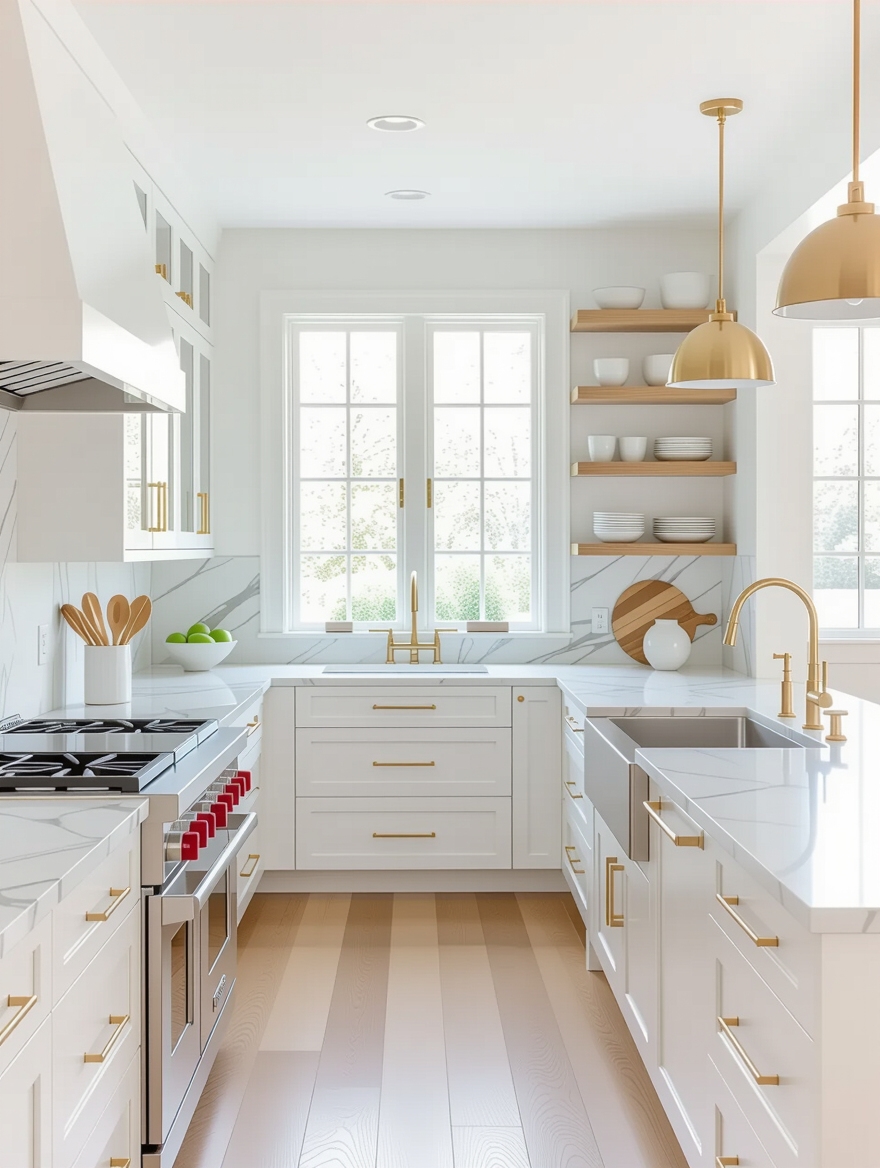
The kitchen that finally clicked for one client was not the prettiest I had worked on; it was the one where every cabinet finally did its job. The pots lived by the stove, the corner stopped swallowing things, the recycling hid behind a door. She kept saying she could not believe she had lived with the old chaos for years. None of the fixes were expensive, and most you can steal this weekend.
These seventeen ideas are the clever cabinet moves that quietly fix a frustrating kitchen. For each I have noted what problem it solves, roughly what the hardware costs, and whether it is a drop-in upgrade or a built-in job. The best part is that most are about making the cabinets you already have work harder, no renovation required.
Steal These First
- Most cabinet frustration is a storage problem, and most storage problems have a drop-in fix under $200.
- Deep drawers, corner pull-outs, and vertical dividers solve the three most common kitchen pain points.
- Put the things you use daily within one step of where you use them; that is the whole secret to workflow.
- Many of these go in over an afternoon with a screwdriver, no contractor required.
Maximize Kitchen Workflow Efficiency

The single most useful cabinet idea costs nothing: store everything where you actually use it. Pots and pans belong by the stove, plates near the dishwasher or the table, knives and boards by the prep zone. Most kitchens are organized by accident, not by workflow, and simply moving things to where your hands reach for them cuts steps out of every meal.
Walk your own routine before you reorganize. Notice where you stand to chop, where you carry a hot pan, where you unload clean dishes, and then assign each cabinet to the task that happens in front of it. This rezoning takes an afternoon and no money, and it is the fix that surprises people most with how much calmer the kitchen feels. For deeper storage thinking, see organization hacks every kitchen needs.
Maximize Vertical Cabinet Storage

Most kitchens waste the top third of every cabinet, the dead air above the stacked plates. Vertical storage reclaims it, turning empty height into usable space without adding a single cabinet. It is the highest-value fix in a kitchen short on room.
Risers, Dividers, and Racks
The tools are cheap and mostly drop in. Shelf risers double the usable height of a shelf for around ten to twenty dollars; tall vertical dividers stand baking sheets, cutting boards, and trays on their edges instead of in a leaning pile; and a second under-shelf rack hangs mugs or wraps from the shelf above. Each takes minutes to install and reclaims real space.
Up high, the dead zone above the wall cabinets can hold the things you rarely touch, stored in matching baskets so it looks deliberate. The trick with vertical storage is to push the rarely-used items up and out and keep the easy-reach zones for daily things.
Match the fix to your biggest cabinet frustration.
1You crouch and dig for pots in lower cabinets
Deep drawers or a retrofit roll-out. They bring the whole contents out to you and change daily life most.
2Your corner cabinet is a black hole
A lazy Susan or a swing-out corner system, which spins or pulls the dead space out where you can reach it.
3Your drawers are a jumbled mess
Dividers and inserts, the cheapest high-end-feeling upgrade there is, for around $20 to $50 a drawer.
Maximizing Corner Cabinet Storage

The corner cabinet is where storage goes to disappear, a deep, dark cavern you have to crawl into to reach anything. A few clever fittings turn that wasted corner into some of the most usable storage you have. Here are the fixes worth stealing.
- A lazy Susan spins the whole corner out to you, the cheapest fix at roughly $40 to $120 to retrofit.
- A pull-out or swing-out corner system brings the back of the cabinet forward on gliding shelves, pricier but transformative.
- If a retrofit is too much, simply store the things you reach for least back there, and keep daily items elsewhere.
Transform Storage With Deep Drawers

If there is one upgrade that changes daily life most, it is swapping lower-cabinet shelves for deep drawers. Shelves bury everything behind a door, so you crouch and dig; deep drawers bring the whole contents out to you at a glance. For pots, pans, and heavy small appliances, the difference in daily ease is hard to overstate.
You do not always need new cabinets to get there. Many lower cabinets can take a retrofit pull-out drawer or roll-out tray mounted to the existing box, which gives you most of the benefit for a fraction of the cost. A sturdy roll-out runs roughly thirty to a hundred dollars and installs with a screwdriver in under an hour.
Where you are building or replacing boxes, choose drawers over doored shelves for almost everything below the counter. It costs a little more up front and pays you back every single day you cook, which is the kind of trade that defines a truly smart kitchen.
“If you are building or replacing cabinets, ask: Can the lowers be drawers instead of doored shelves for everything but the sink cabinet? What corner solution do you recommend for my layout? Can you build in a pull-out waste and recycling system near the prep zone? And which fittings can I add later as retrofits versus which have to be built in now? Those answers shape how well the kitchen will actually work.”
Smart Storage That Transforms Organization

The cheapest way to make a kitchen feel high-end is to organize the insides, where dividers and inserts turn a jumbled drawer into a place for everything. The change is invisible from outside but transforms how the kitchen works, and most of it costs less than a nice dinner out. These are the inserts worth stealing.
Match the insert to the chaos it solves.
- Drawer dividers for utensils and gadgets, around $20 to $50, end the junk-drawer dig.
- A pull-out organizer beside the stove keeps oils, spices, and tools upright and in reach.
- Peg-board drawer systems hold plates and bowls in place so a deep drawer does not become a jumble.
Balanced Storage and Style

The smartest kitchens hide the hard-working storage and show off only what looks good, which is how they stay both functional and calm. The principle is simple: tuck the gadgets, the bins, and the bulk behind closed doors, and reserve open shelving or glass fronts for the pieces you actually want on display. Hide the work; display the beauty.
A few moves strike that balance.
- Keep an appliance garage or a deep pantry pull-out for the toaster, blender, and kettle, so counters stay clear.
- Reserve open shelves for attractive, daily-used pieces, and keep the messy storage behind solid doors.
- Use one or two glass-front cabinets for your best dishware, which adds display without the clutter of all-open shelving.
A beautiful kitchen you fight every day is not a beautiful kitchen. The cabinets that earn their keep are the ones that put what you need exactly where your hand goes for it, and you stop noticing them, which is the highest compliment storage can earn.
Eco-Friendly Cabinet Waste Solutions

A pull-out waste and recycling system built into a lower cabinet is one of those upgrades you never think about until you have it, and then cannot imagine living without. Tucking the bins behind a door clears the floor, hides the least lovely part of any kitchen, and makes sorting easy because the bins are right where you prep.
Sort Where You Prep
The setup matters for how well you actually sort. A dual or triple pull-out, one bin for trash, one or two for recycling and compost, makes separating waste as easy as opening a drawer, which is what turns good intentions into a real habit. Pair it with a small countertop compost crock and the whole system finally works.
Retrofit kits are widely available and reasonable, often fifty to a hundred and fifty dollars for a pull-out frame that mounts in an existing cabinet. Site it next to the prep zone or the sink, where the scraps actually happen, and you remove the daily friction that makes people give up on sorting.
Stylish Contrasting Cabinets

Beyond pure function, a clever style move worth stealing is using cabinet contrast to organize the room visually. A different color or material on the island, the pantry, or the lowers does more than look good; it signals zones, telling the eye where the cooking happens and where the gathering does. Here is how to make contrast work double duty.
- Give the island or pantry a contrasting finish so it reads as its own purposeful zone.
- Use the contrast to hide the hardest-working storage, like a darker, scuff-forgiving lower run.
- Tie the two finishes together with one hardware metal so the contrast looks planned. See how two-tone proves its worth.
Matte-Finish Cabinets That Hide Wear

A genius idea hiding in plain sight is choosing the finish for how it lives, not only how it looks. A matte or satin cabinet finish hides the fingerprints, smudges, and light scuffs that a glossy finish broadcasts, which keeps a busy kitchen looking clean with far less wiping. It is a practical choice dressed as a stylish one. Here is how to use it.
- Choose matte or satin on the hardest-working lowers, where hands and splatter hit most.
- Lean to satin if you want a touch of glow that still resists fingerprints and wipes clean.
- On dark colors, ask for a fingerprint-resistant matte, since some flat finishes show smudges on deep tones.
Warmth and Charm in the Details

The last ideas worth stealing are the small warm touches that make a working kitchen feel cared for rather than purely utilitarian. Open the cabinets all day for function, then add a few details that bring warmth: a strip of wood, a brass pull, a glass front showing a stack of loved bowls. These cost little and soften all the hardworking storage.
A couple of finishing touches do the most.
- Swap a few solid upper doors for glass or reeded fronts to break up a wall of cabinetry and show off pretty pieces.
- Add warm metal pulls, which lift even the most practical cabinets for under a hundred dollars.
- Line one open shelf with the things that make you happy to cook, so function and warmth share the room.
Maintenance & Care
The clever part of these storage ideas is that most of them make the kitchen easier to keep clean, not harder. Pull-outs, drawers, and organizers bring everything into the light, so spills and crumbs get spotted and wiped instead of festering in a dark corner. Wipe drawer interiors and inserts with mild soap and a soft cloth every so often, and a quick pass takes only a minute or two now that nothing is buried.
The hardware itself asks for a little attention to keep working smoothly. Check the screws on retrofit pull-outs and roll-outs once or twice a year and snug any that have loosened, and keep drawer glides and corner mechanisms free of grit so they keep gliding. A drop of dry lubricant on a sticky slide takes seconds and saves a lot of daily annoyance. Looked after this way, the cheap upgrades you steal this weekend keep paying you back for years.
Smart Cabinet Storage Questions
?What is the most worthwhile cabinet storage upgrade?
Swapping lower-cabinet shelves for deep drawers or retrofit roll-outs changes daily life the most, since it brings pots, pans, and appliances out to you instead of making you crouch and dig. A roll-out runs roughly thirty to a hundred dollars and installs in under an hour, making it one of the highest-payoff upgrades you can steal.
?How do I fix a useless corner cabinet without a renovation?
Retrofit a lazy Susan, which spins the whole corner out to you for around forty to a hundred and twenty dollars and installs with basic tools. For more access, a swing-out corner system brings the back shelves forward, though it costs more. If neither fits the budget, simply store your least-used items in the corner and keep daily things in easier cabinets.
?Are drawer organizers actually worth it?
Yes, and they are the cheapest way to make a kitchen feel high-end. Dividers and inserts, around twenty to fifty dollars a drawer, turn a jumbled drawer into a place for everything, which saves time every day and makes the whole kitchen feel calmer. The change is invisible from outside but transforms how the cabinets work.
Fix the Insides First
The genius of these ideas is that almost none of them require a renovation; they make the cabinets you already own work the way they always should have.
Store things where you use them, reclaim the wasted height and corners, swap shelves for drawers, organize the insides, and hide the bins, and a frustrating kitchen turns calm and capable for a few hundred dollars and a couple of weekends. The prettiest kitchen in the world cannot compete with one that simply works.
Pick the one frustration that bugs you most every day, the corner, the pot pile, the junk drawer, and steal the fix for it this weekend. Which cabinet has been driving you quietly crazy?
More Hair Inspiration


