
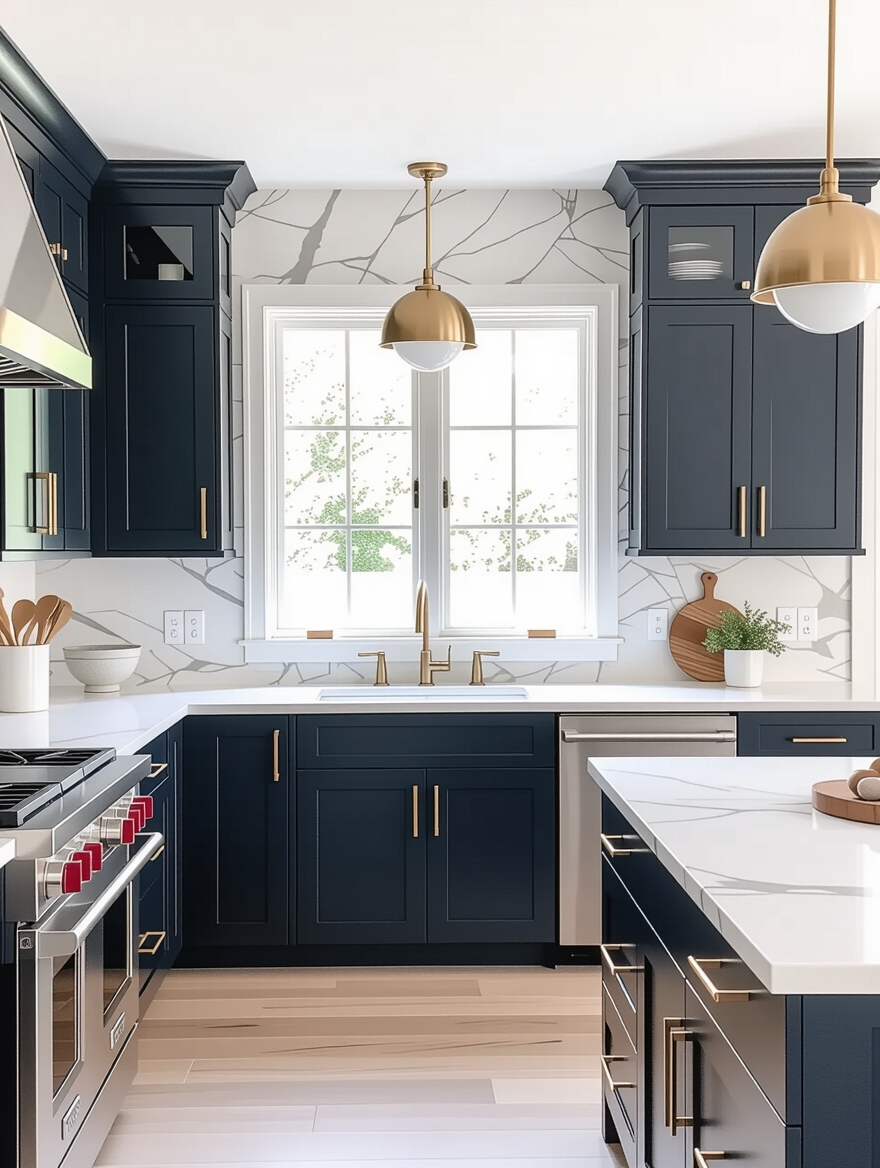
Here is the honest truth about painting kitchen cabinets: it is the cheapest way to transform a kitchen, and the easiest way to wreck one. The difference between cabinets that look better than new and cabinets that look like a rushed weekend is rarely about the color. It is the paint, the prep, and the patience.
Done right, painted cabinets come out smoother and more durable than the factory finish they replace, for a few hundred dollars instead of many thousands. This guide walks through exactly how, the products, the prep, the techniques, and the colors and finishes worth copying, so your painted kitchen cabinets end up looking like a pro did them. Start with the part most people get wrong: the paint itself.
The Short Version
The finish lives or dies on two things: the right paint and obsessive prep. Use a hard-curing cabinet enamel, clean and degloss every surface, prime, and sand between coats, and the result is smoother than factory. Rush the prep and no color will save it.
Color and sheen are where the personality comes in. A bold navy or green makes a statement, a soft neutral stays timeless, and a satin or semi-gloss sheen wipes clean and lasts. Swap the hardware while the doors are off, and the whole kitchen reads brand new for a few hundred dollars.
Start With the Right Paint

Cabinets take a beating, slammed doors, greasy hands, daily wiping, so ordinary wall paint will not survive on them. The single most important choice is a paint built to cure hard: a waterborne alkyd or acrylic enamel made for cabinetry and trim.
I recommend one made specifically for cabinets and trim. These level out to a smooth, self-smoothing finish and cure to a tough, washable shell over a couple of weeks. The product matters most. A quality cabinet enamel runs about $40 to $70 a gallon, and one gallon usually covers an average kitchen.
Pair the paint with a good bonding primer, especially over slick factory finishes, oak, or anything previously stained. The primer is what makes the topcoat stick for the long haul. Skipping it, or grabbing cheap wall paint to save a few dollars, is the most common reason painted cabinets chip and peel within a year, the kind of shortcut that turns a cabinet makeover into a redo.
Prep Is Ninety Percent of the Job

If there is one secret to cabinets that look better than new, this is it: the finish is made in the prep. Take the doors and drawers off and label them so they go back exactly where they came from. Clean every surface with a degreaser to strip off years of cooking grease, since paint will not bond over grime. Then degloss: sand lightly or use a liquid deglosser so the primer has something to grip.
Fill any dents, dings, or old hardware holes you are relocating, and sand those spots flush. Wipe everything down with a tack cloth so not a speck of dust is left. It is tedious, unglamorous work, and it is exactly what separates a finish that lasts a decade from one that peels by spring. I tell everyone the same thing: spend twice as long prepping as painting, and the painting takes care of itself.
- Remove and label all doors, drawers, and hardware.
- Degrease, then degloss every surface so primer grips.
- Fill holes and dents, sand flush, and tack off all dust.
ℹ️Good to Know
A quality waterborne cabinet enamel cures to a hard, washable finish over two to four weeks, ending up tougher than much of the factory coating it replaces. The catch: it only reaches that durability over clean, deglossed, primed surfaces. The product is half the job; the prep is the other half.
DIY or Hire a Pro?

Whether to do it yourself or hire out comes down to your budget, your time, and your tolerance for fussy work. DIY is dramatically cheaper, $200 to $400 in materials against $3,000 to $8,000 for a pro, but it is a real project: a full kitchen takes most people a long weekend or two of careful work, plus cure time.
A pro brings sprayers, a dust-controlled setup, and the speed of experience, and the finish can be near-perfect. The trade is cost and scheduling.
The honest middle path is to be ruthless about your own patience: if you will rush the prep or lose steam halfway, the money for a pro is well spent. If you truly enjoy careful, methodical work and have the weekends, DIY cabinets can match a pro’s result for a tenth of the price. Either way, the prep and the product matter more than who holds the brush, much like a budget-savvy DIY cabinet project.
- DIY runs $200 to $400; a pro runs $3,000 to $8,000.
- Budget a long weekend or two for a full DIY kitchen.
- Hire out if you will rush the prep or lose patience.
The Techniques That Get a Factory Finish

A glassy, brush-mark-free finish comes from a few simple techniques. Keep the coats thin, since thick paint sags, drips, and dries slow. Use a quality foam roller for the flat panels and a fine-bristle brush or a small foam brush for the detailed edges, working the brush into the grooves first, then smoothing the flats. Lay the doors flat to dry so gravity helps the paint level out smoothly.
Patience between coats is what sells the result. Let each coat dry fully, then sand lightly with fine grit and tack off the dust before the next, which knocks down any specks and gives a glass-smooth base. Build the color in two or three thin coats every time. A paint conditioner or a light spray can help the enamel level even smoother if you want to chase a true factory look, the same care behind any standout cabinet makeover.
💡The thin-coat rule
Two or three thin coats always beat one thick one. Thick paint sags, drips, and dries slowly, while thin coats level smooth and cure hard. Sand lightly and tack off the dust between coats, and the finish comes out glass-smooth with no brush marks.
Smart Strategies to Work Faster

Painting a whole kitchen is as much about logistics as skill, and a little planning keeps the project from swallowing your house. Set up a dedicated drying station, a garage, a basement, or a row of sawhorses, where doors can lie flat and cure undisturbed for days without being moved.
Number every door and its hinge location with painter’s tape so reassembly is foolproof, and keep the matching hardware bagged and labeled with it. Work the boxes that stay in the kitchen in sections so you can still use the space, and paint all the doors in batches off-site. A simple system turns a daunting job into an orderly one.
Mind the dry and cure times so you do not rush it. Most cabinet enamels are dry to recoat in a few hours but take two to four weeks to fully cure to their hardest. Reassemble after a couple of days, but treat the cabinets gently until they have had time to harden, and the finish will reward your patience.
Going Bold With Color

Paint is the cheapest way to try a color you would hesitate to commit to in pricey new cabinetry. A deep navy, a forest or olive green, a moody charcoal, or even a soft terracotta turns plain boxes into the kitchen’s whole personality. Bold is where painted cabinets get exciting.
Ground a bold shade with neutrals and warm metal
Balance is what keeps a bold color from overwhelming the room. Ground a saturated shade with neutral counters and walls, add warm wood or brass to soften it, and consider painting just the lower cabinets bold while keeping the uppers light to open the space up. A two-tone approach gives you the drama without the cave.
I love a bold lower-and-neutral-upper kitchen for nervous first-timers, since it is a statement you can live with for years. If you want the look without the commitment, start with an island or a single run, the same fearless color thinking behind any cabinet color idea worth stealing.
📋Your cabinet-painting supply list
- ✓A waterborne cabinet enamel and a bonding primer
- ✓A foam roller, a fine-bristle brush, and small foam brushes
- ✓A degreaser, sandpaper or liquid deglosser, and tack cloths
- ✓Painter’s tape, wood filler, and labels for doors and hardware
- ✓A flat, dust-free drying station with room for every door
Timeless Soft Neutrals

If you want a finish that stays current for years, soft neutrals are the safe and beautiful bet. Warm whites, greige, soft sage, mushroom, and gentle taupe read as fresh and calm, work with almost any counter and backsplash, and quietly make a kitchen feel larger and brighter. They are the colors that still look right in ten years.
The trick with neutrals is to avoid anything flat or cold. Choose a white or greige with a hint of warmth so it does not turn clinical under kitchen lighting, and lean on texture, wood, stone, woven shades, to keep a neutral kitchen from feeling bland. The softness is the whole point.
Neutrals also flatter a resale kitchen, since buyers respond to clean, light, move-in-ready cabinets. For most kitchens, a warm soft neutral is the choice you will be glad you made, the same easy elegance behind cozy cream cabinets.
Matte vs Glossy: Choosing a Sheen

Sheen matters as much as color, because it decides how the cabinets look and how they live. For kitchen cabinets, satin and semi-gloss are the practical sweet spot: they wipe clean, resist moisture and grease, and hold up to daily handling, while a fully matte finish shows every fingerprint and is harder to scrub. The higher the sheen, the tougher and more washable the surface, but also the more it shows flaws.
Match the sheen to the look you want and the prep you have done. Satin gives a soft, low-glare finish that hides minor imperfections and suits most kitchens, semi-gloss reads crisp and traditional and cleans the easiest, and a true high-gloss is dramatic but demands a near-perfect surface underneath. A flat or matte cabinet looks sophisticated but asks for gentle cleaning, so save it for low-traffic doors.
- Satin: soft, forgiving, and the best all-around kitchen choice.
- Semi-gloss: crisp, traditional, and the easiest to wipe clean.
- Matte or high-gloss: striking, but less forgiving day to day.
Don’t Forget the Hardware

While the doors are off and drying, the hardware is your chance to finish the transformation for almost nothing. New knobs and pulls in a fresh finish, matte black, brushed brass, aged bronze, instantly update painted cabinets and make them look custom. It is the jewelry of the kitchen, and it is the cheapest upgrade with an outsized effect.
If you would rather not buy new, you can spray-paint existing hardware: clean it, prime it with a metal primer, and finish with a durable spray made for metal. It will not last quite as long as solid new hardware, but it refreshes the look for a few dollars. Either way, swap or refinish the hardware before you rehang the doors, since drilling and fitting is far easier with the doors flat on a table.
- New knobs and pulls instantly make painted cabinets look custom.
- Or spray-paint existing hardware with a metal primer and topcoat.
- Fit the hardware while the doors are off and flat.
Keep Them Looking New

A little care keeps painted cabinets looking better than new for years. Give the fresh paint its full cure time, two to four weeks, before scrubbing or hanging anything heavy on the doors, and treat them gently in the meantime.
After that, wipe spills and splatters promptly with a soft, damp cloth and a mild cleaner, skip abrasive scrubbers and harsh degreasers that dull the finish, and keep a little leftover paint for quick touch-ups on the inevitable chip.
Address worn spots early, around handles and near the stove, before they spread. Done well, a painted finish lasts ten years or more, and a quick touch-up here and there keeps it crisp far longer than the factory finish it replaced, the same long view behind cabinets built to never go out of style.
- Let the paint cure two to four weeks before heavy use.
- Wipe spills promptly; skip abrasive scrubbers and harsh degreasers.
- Keep leftover paint for fast touch-ups on chips.
Styling Tips to Finish the Look
Once the cabinets are painted, a few styling moves make the whole kitchen feel intentional. Let the new color set the palette: pull a counter, a backsplash, or a wall shade that flatters it, and repeat the hardware finish in your faucet, lighting, and small accents so the metals feel coordinated. A bold cabinet color wants calm surroundings, while a soft neutral can carry a livelier backsplash or a pop of color in the accessories.
Style the open and glass-front shelves lightly, a few stacked bowls, a wood board, a plant, so the fresh cabinets stay the star. Add warmth with wood tones and texture, and good lighting under the uppers to show off that smooth new finish. The goal is a kitchen that looks designed around the cabinets, fully considered, the kind of cohesive result that turns a weekend project into a real transformation.
Cabinet Painting Questions, Answered
?Do painted cabinets really hold up?
Yes, when they are done right. A waterborne cabinet enamel applied over clean, deglossed, and primed surfaces cures to a hard, washable finish that often outlasts the original factory coating. The failures you hear about, chipping and peeling, almost always trace back to skipped prep or cheap wall paint. Use the right product, prep thoroughly, and painted cabinets last a decade or more.
?Do you have to sand cabinets before painting?
You need to degloss them, and sanding is the surest way. The goal is to dull the slick surface so the primer can grip, so a thorough scuff-sand with fine grit, or a liquid deglosser on detailed doors, both work. What you cannot skip is the degreasing and deglossing step. Paint will not bond to a shiny, greasy surface no matter how good it is, so this is where the durability is won.
?How much does it cost to paint kitchen cabinets?
Doing it yourself runs roughly $200 to $400 in paint, primer, and supplies. Hiring a pro typically costs $3,000 to $8,000 depending on the kitchen’s size and condition. Either way it is a fraction of new cabinets, which run many thousands more. The DIY route saves the most but demands a long weekend or two of careful work plus cure time.
?What kind of paint is best for kitchen cabinets?
A waterborne alkyd or acrylic enamel made specifically for cabinets and trim. These self-level for a smooth finish and cure to a hard, washable shell that stands up to kitchen use. Pair it with a quality bonding primer, especially over oak or factory finishes. Avoid ordinary wall paint, which stays soft and chips quickly on surfaces that get handled all day.
?What sheen should I use on kitchen cabinets?
Satin or semi-gloss for most kitchens. Both wipe clean, resist grease and moisture, and handle daily use, with satin hiding minor flaws and semi-gloss cleaning the easiest. A full matte looks elegant but shows fingerprints and is harder to scrub, while high-gloss is striking but demands an immaculate surface underneath. For a hard-working kitchen, satin is the forgiving, practical sweet spot.
Better Than New, for a Fraction of the Price
Painted cabinets really can look better than the day they were installed, but only if you respect the process. Choose a hard-curing cabinet enamel, prep like the finish depends on it, because it does, apply thin coats with patience, and finish with fresh hardware and a sheen that lives well. Do that, and a few hundred dollars buys a transformation that reads like a full remodel.
Pick your color and your finish, block out the weekends, and commit to the prep that most people skip. Whether you go bold or neutral, DIY or hire out, the cabinets that come out smooth, durable, and crisp are the ones somebody took the time to do right. Start with the doors off and the degreaser out, and build the kitchen you will love walking into.
More Looks We Love


