

The hack that would have saved my first remodel thousands of dollars was the one nobody told me: I almost tore out perfectly good cabinet boxes. They were solid. All they needed were new doors and a thin veneer, and I learned that the hard, expensive way.
That is the theme of nearly every budget hack worth knowing. You keep the bones and change only the face, and you shop where the deals hide. Here are 17 hacks homeowners wish they had known sooner, with real numbers, so your kitchen gets the rich-looking update without the rich-person invoice.
The Hacks That Save the Most
- The biggest hack is refacing, not replacing: new doors and veneer over solid boxes cost about half a new kitchen.
- Shop smart. Habitat ReStores, stone remnant yards, and floor-model appliances cut prices by 30 to 70 percent.
- Do the free moves first: pull a few upper doors for open shelving, declutter the counters, and swap the textiles.
- Order of operations saves money. Paint and floors go in before hardware and styling, so you never work around finished surfaces.
Transform a Kitchen With Color

The cheapest dramatic change in any kitchen is color, and the trick most people miss is to start with the walls and trim, not the cabinets. A gallon of paint runs $30 to $60 and can recolor a whole kitchen’s walls in a day. If you do paint the cabinets, test the color on a poster board you move around the room across a full day before you commit a single door.
The cabinet repaint playbook covers the prep that makes paint actually last. One order matters here. Paint the walls and trim first and the cabinets last, so drips never land on a finished door.
- Paint walls and trim first; it is the fastest, cheapest color shift.
- Test cabinet colors on a movable board before painting anything.
- Warm whites and soft greens hide wear and date slower than trendy shades.
Transform Cabinets on a Budget

Here is the hack that saves the most in a whole kitchen: reface instead of replace. If your cabinet boxes are solid, you do not need new ones. New doors and drawer fronts plus a thin veneer over the visible box sides buy a brand-new look for roughly half the cost of full replacement.
Clients ask me how to get a custom kitchen on a stock budget, and the cabinet makeovers that look custom are usually just refaced. Refacing also keeps the dust and demolition near zero. You can cook in the kitchen the whole time the work happens.
- Keep solid boxes; replace only the doors, fronts, and visible veneer.
- Refacing runs $1,000 to $4,000 against $8,000-plus to replace.
- Pick a door style first, since it sets the whole kitchen’s character.
Two myths keep people from starting:
❌ Myth: You have to tear out the cabinets to update them.
✅ Reality: If the boxes are solid, refacing them, new doors plus a veneer skin, gives a whole new kitchen for about half the cost of replacing.
❌ Myth: Cheap automatically looks cheap.
✅ Reality: A remnant counter and refaced doors look identical to the premium version once installed. The savings are completely invisible.
A Quick Cabinet Hardware Update

New hardware is the classic quick win, but the insider edge is in the install and the sourcing. Buy pulls in bulk online, where a set costs a fraction of the per-piece store price, and use a cheap drill jig to bore identical holes in seconds, with no measuring per door. The jig pays for itself by the third door and saves an hour of fiddling. Order a few extra pulls, too. A spare costs little, and a stripped screw will not stall the whole job.
- Buy hardware in bulk online; per-piece store prices run far higher.
- Use a $10 drill jig so every pull lines up the first time.
- Match the new metal to your faucet for a pulled-together look.
Replace the Cabinet Doors Only

If refacing the boxes feels like too much, you can buy just the doors and drawer fronts and swap them onto your existing cabinets. It is the single highest-impact dollar in a budget kitchen.
Order to Your Exact Sizes
Door suppliers build to the measurements you send, in any style from Shaker to slab. You keep the boxes, hinges, and layout, and only the faces change.
A full set of doors and fronts runs $900 to $2,500 depending on material, far below new cabinets. I tell people to measure twice and order a single sample door first to check the fit and color.
How to replace just the doors:
1Measure every door and drawer front
Write down exact sizes and the hinge type; suppliers build to your numbers.
2Order doors and matching veneer
Choose a style and finish, and order veneer to skin the visible box sides.
3Hang and align
Swap the doors onto your existing boxes, then apply the veneer for a clean, finished look.
Transform Your Kitchen Quickly
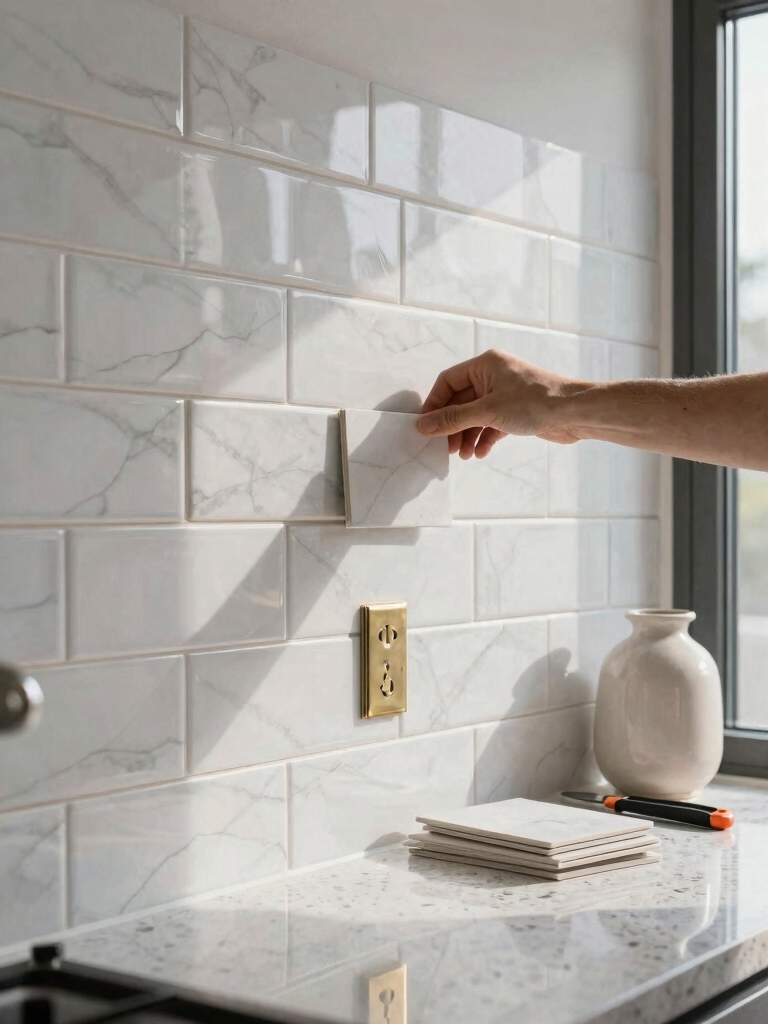
Some of the best budget hacks cost nothing but a weekend. Before you spend a dollar, do the free reset: clear every counter, deep-clean, and put back only what you use daily.
Then layer in small swaps, new textiles, a plant, a fresh light shade. A clean, edited kitchen looks more expensive than a cluttered one, even one with brand-new counters. The before-and-after stories that went viral almost all started with this kind of reset.
- Declutter and deep-clean first; it is free and changes everything.
- Swap a tired light shade instead of the whole fixture.
- Add one plant and a matched set of canisters to finish the look.
Budget-Friendly Open Shelving

Open shelving is everywhere, and the hack is that you may already own it. Skip the new shelves entirely and take the doors off a few existing upper cabinets, then paint the interiors. You get the airy, styled look for free, and the doors go right back if you change your mind.
Start with one cabinet. Live with the open shelf for a week before you commit a whole wall to it. For the items you would rather hide, the storage tricks keep clutter behind closed doors.
- Remove a few upper doors, fill the hinge holes, then paint the inside.
- Style with a few matching dishes, not a jumble of everyday clutter.
- Keep cabinets near the stove closed; open shelves there get greasy fast.
ℹ️Good to Know
Taking the doors off your existing upper cabinets is the cheapest open shelving there is, free, but it commits you to keeping those shelves tidy and dusting more often. Try it on one cabinet before you pull them all.
Budget-Friendly Lighting Updates

Lighting is where a small budget buys a big mood shift. The move most people skip is swapping just the glass shade or the bulbs before touching the whole fixture. Smart bulbs dim and warm from your phone for $10 to $20 each, and a plug-in puck kit adds under-cabinet glow with no electrician.
I love a warm, dimmable bulb for making a plain kitchen feel calm at night. Aim warm here. Bulbs around 2700K flatter food and wood far better than the bluish daylight bulbs builders default to.
- Swap a dated shade or globe before replacing the entire fixture.
- Use warm, dimmable smart bulbs to change the mood instantly.
- Add plug-in under-cabinet lights in under an hour, with no wiring.
A Durable, Budget-Friendly Floor Option

New flooring sounds expensive until you meet luxury vinyl plank. LVP clicks together and floats right over most existing floors, so there is no demolition and no pro required.
It runs $2 to $5 a square foot, shrugs off water and dropped pans, and convincingly mimics wood or stone. For a small kitchen, a weekend and a sharp utility knife are often all it takes.
The real hack is to buy a little extra and keep the offcuts. A damaged plank pops out and replaces individually, which makes LVP the most forgiving floor a budget remodel can choose.
Budget-Friendly Appliance Transformation

You rarely need new appliances. You mostly need them to match and run. The insider move is to shop scratch-and-dent and floor models, where a tiny cosmetic flaw cuts the price 30 to 50 percent on an otherwise new unit.
For the appliances you are keeping, stainless or matte-black film and panel kits bring an odd-one-out into the family for a few dollars. I recommend matching finishes before you ever consider replacing. A unified finish looks like a planned kitchen. Mismatched metals are the quiet tell that gives a budget away.
- Buy scratch-and-dent or floor-model appliances for steep discounts.
- Use appliance film or panels to unify mismatched finishes.
- Replace a worn handle or door seal instead of the whole machine.
Where to Find Cheap Materials
The biggest savings in a budget remodel come from where you shop, even more than what you buy. Habitat for Humanity ReStores sell donated cabinets, fixtures, and appliances for a fraction of retail. Stone fabricators sell remnant slabs, perfect for a small counter or an island, at deep discounts. And big-box stores quietly mark down floor models and open-box items if you simply ask.
Timing helps too. Appliances drop around major holiday weekends and at the fall model-year changeover, and I steer anyone with a flexible schedule toward those windows. A little patience and a willingness to dig through a salvage yard can cut a remodel budget in half.
Maintenance and Care for Budget Upgrades
Budget upgrades last if you treat them kindly. Refaced doors and painted cabinets want the same gentle care: a soft, damp cloth and mild soap, then a quick dry so water does not creep under the veneer edges. A weekly wipe takes a minute and keeps grease from dulling the finish.
For vinyl plank floors, sweep grit before it scratches and damp-mop with a gentle cleaner, never a steam mop, which can lift the seams. Keep a few spare planks and a stain pen for the cabinets, and small dings disappear in seconds instead of nagging at you for years.
More Budget Remodel Questions
?What is the cheapest way to update kitchen cabinets?
Paint is the cheapest at **$150 to $400** in materials, and refacing, new doors over solid boxes, is the next step up at **$1,000 to $4,000**, still about half the cost of replacing. Both keep your existing layout, which is where the real savings come from.
?Is refacing cabinets worth it?
Yes, when the boxes are structurally sound. Refacing gives a brand-new look for roughly half the price of replacement and skips the demolition. It is not worth it if the boxes are water-damaged or falling apart; then replacing them is the better spend.
?What budget upgrade adds the most value?
Paint, hardware, lighting, and a clean, uncluttered look give the highest return for the least money. For resale, a cohesive, updated kitchen matters more than pricey finishes. The [[upgrades that add value|kitchen-remodel-ideas-add-value]] consistently beat splurges buyers never even notice.
The Best Hack Is Knowing What to Keep
Almost every money-saving hack here comes down to one idea: keep the bones and change the surface. Solid boxes get new doors, old floors get a vinyl layer, and working appliances get a fresh finish. You are paying for the look, not a teardown.
So before you budget for new anything, ask what is actually worn out versus simply dated. What in your kitchen still works perfectly and only needs a new face? Start there, and the savings take care of themselves.
More Hair Ideas


