

In an open-plan home, the kitchen is not a separate room; it is the loudest voice in a space you see from the sofa, the dining table, and often the front door. That makes the cabinets the single biggest tone-setter in the house. Paint them crisp white and the whole home leans fresh and modern; wrap them in walnut and it leans warm and grounded, all from one decision.
These fifteen cabinet ideas are sorted by the mood they send through the rest of your home, because in a connected floor plan, that ripple matters as much as how the kitchen looks on its own. For each I have noted the tone it sets, who it suits, and how to carry that feeling into the adjoining rooms so the whole house reads as one.
Cabinets as the Home’s Keynote
- In an open home, the cabinets are the largest color and material in view, so they set the tone for everything around them.
- Match the cabinet mood to the feeling you want for the whole house: fresh, warm, calm, or bold.
- Carry one cabinet element, a color, a wood, a metal, into the adjoining rooms so the home reads as one.
- Lean neutral if you want flexibility, since the cabinets will be dictating the palette for years.
Balancing Style, Function, and Budget

Before the mood, a grounding truth: the cabinets that set a great tone are the ones that also work and stay within reach. A striking color on poorly planned, flimsy boxes sends a worse message through the home than a sensible choice done well. So the tone-setting starts with getting the basics right underneath the style.
Hold these three in balance as you choose.
- Function: smart storage and a sound layout, since a kitchen that works feels calm to the whole house.
- Quality: solid boxes and good hardware, which signal care more than any trendy color.
- Budget: spend where it shows, on fronts, color, and hardware, and save on what hides.
Timeless White Kitchen Tone

White cabinets send the most universally liked signal through a home: light, clean, and open. In a connected floor plan, white kitchen cabinets brighten the whole sightline and let the adjoining rooms take their cue without being forced into any particular style. It is the keynote that keeps every option open.
Warm White or Cool White
The tone white sets depends entirely on its warmth. A crisp, cool white leans modern and crisp; a soft, creamy white leans cozy and traditional, so the same idea can carry two different moods through the house. Pick the white that matches the feeling you want the whole home to have.
Because white is so flexible, it lets the rest of the home lead. Carry a warm white from the kitchen into the trim and walls of the next room and the house flows quietly together. For how that flow works, see decor that makes the rooms connect.
How to choose cabinets that set the right tone for the whole home.
1Name the home’s mood first
Decide the feeling you want across the connected space, fresh, warm, calm, or bold, before you look at a single cabinet. The kitchen has to serve the whole, not just itself.
2Choose cabinets to match that mood
Pick the color, material, and finish that send that signal: white or cool tones for fresh, wood for warm, neutral for calm, deep color for bold.
3Carry one element into the next room
Echo a cabinet color, wood tone, or metal in the adjoining rooms so the kitchen’s tone flows through the home instead of stopping at the threshold.
Bold Kitchen Cabinet Colors
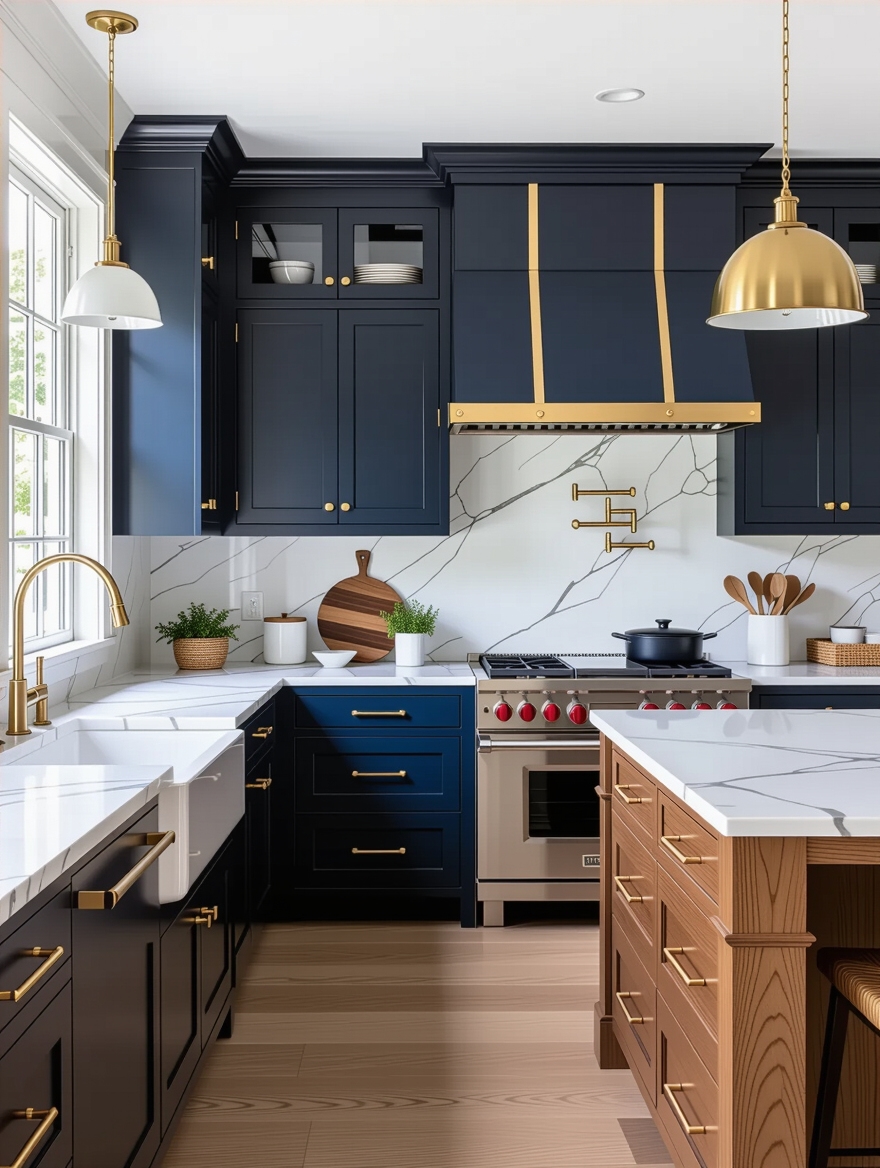
A bold cabinet color, deep green, navy, charcoal, makes the kitchen the confident anchor the rest of the home orbits. In an open plan, that strong color becomes a keynote the adjoining rooms can echo in small ways, giving the whole house a clear point of view rather than a timid one. It is the choice for people who want their home to feel decisive.
The trick is letting the bold color lead without shouting over everything.
- Keep the bold color to the kitchen and one echo elsewhere, a cushion, a piece of art, so it leads without dominating.
- Surround it with warm neutrals in the connected rooms so the eye gets a rest.
- Choose a muted version of the bold color, which sets a confident tone that still feels liveable. See green as a calm bold neutral.
Bold Elegance That Anchors a Home
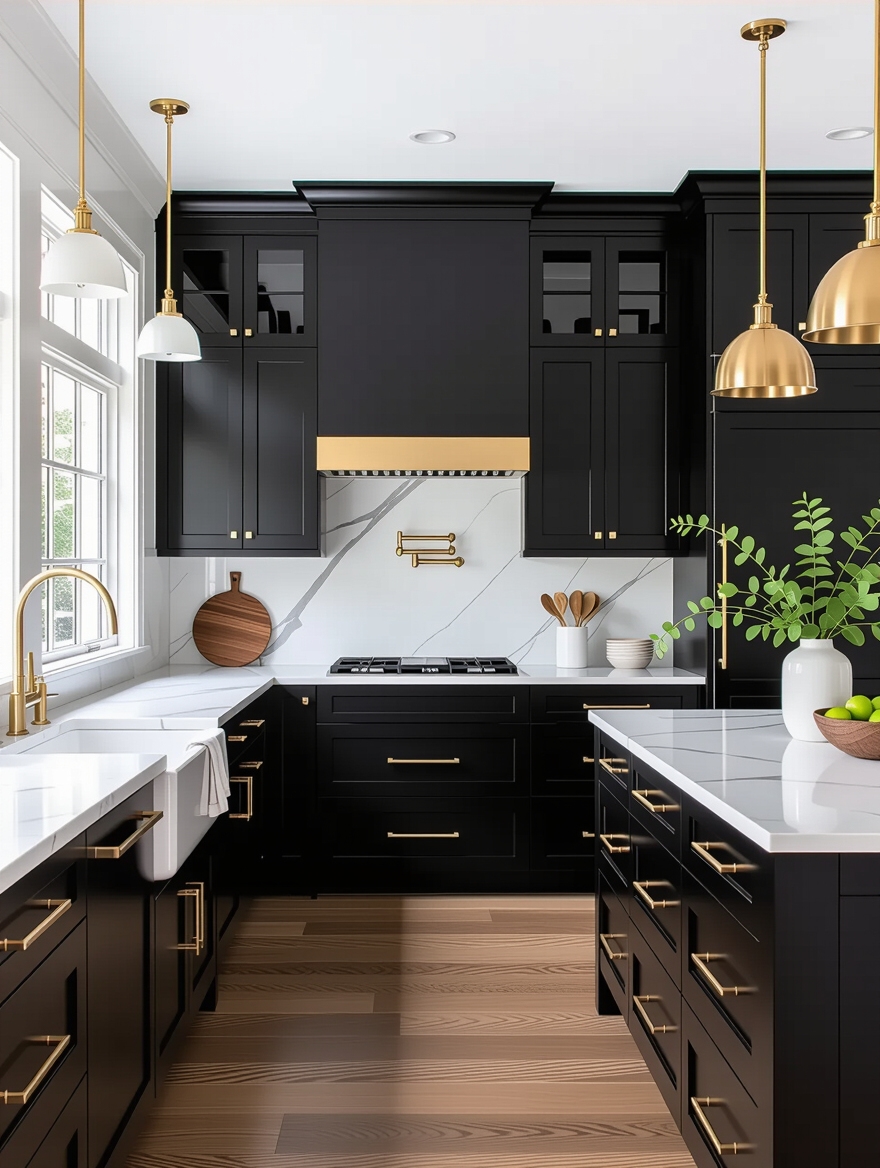
There is a version of bold that reads as quiet luxury rather than loud, and it sets a sophisticated tone for the whole home. Think a deep, rich cabinet color paired with one truly fine material, honed stone, unlacquered brass, so the kitchen feels confident and expensive on its own. That restraint is what sends an elegant signal through the house. Here is how to strike it.
- Pair one deep color with one fine material and keep everything else quiet, so the drama looks intentional.
- Repeat the fine material, the brass or the stone, in the next room to carry the elegance through.
- Resist piling on bold moves, since one confident gesture sets a richer tone than five competing ones.
Heads-Up
The most common tone-setting mistake in an open home is choosing the kitchen in isolation, then realizing it clashes with the living room you can see from it. Because the cabinets are the largest color and material in the whole sightline, a kitchen picked without the adjoining rooms in mind can quietly drag down the entire space.
Before you commit, stand where you will actually see the kitchen from, the sofa, the dining table, and make sure the cabinet tone flatters what is already there.
Cozy, Inviting Wood Kitchens
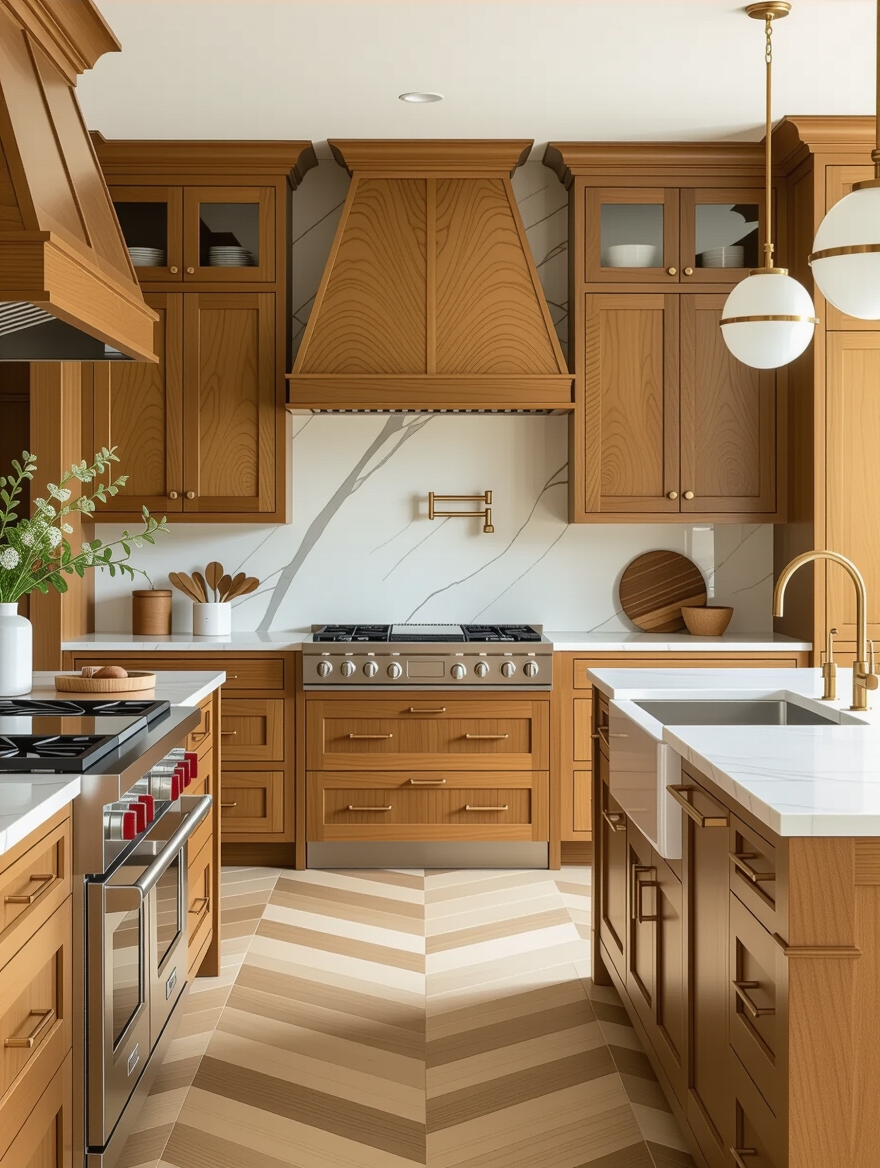
Wood cabinets send the warmest signal of all, telling the whole home to relax. The natural grain and tone bring an organic warmth that radiates into the connected rooms, setting a cozy, grounded mood that feels welcoming the moment you walk in. For an open home that should feel like a refuge, wood is the keynote. Here is how to set that tone.
- Choose a matte, natural wood tone and echo it in furniture or shelving in the adjoining rooms.
- Pair it with warm metals and soft, earthy colors so the warmth carries through the whole sightline.
- Use wood on part of the kitchen if a full wood scheme feels heavy, keeping the home warm but light. See wood cabinets that feel fresh.
Bold Two-Tone Kitchen Cabinets

Two-tone cabinets set a layered, designed tone that tells the home someone made deliberate choices here. Pairing a grounding color on the lowers with a lighter shade above gives the kitchen depth and a custom feel, and it hands the rest of the house two coordinating colors to draw from. It is a rich keynote on a modest budget.
A couple of moves keep two-tone setting the right tone.
- Put the anchoring color on the lowers so it grounds the room and the whole sightline.
- Pull the lighter upper color into the trim or walls of the adjoining rooms to tie the home together.
- Keep one hardware finish across both tones, and repeat that metal elsewhere in the house.
A few tone-setting terms worth knowing.
📖Keynote
The dominant color or material that sets the mood for a whole space. In an open home, the cabinets are usually it, whether you planned them that way or not.
📖Sightline
What you actually see from a given spot. In open plans, the kitchen sits in the sightline of the living and dining areas, which is why its cabinets carry so much tonal weight.
📖Undertone
The subtle warm or cool bias beneath a color. Getting the cabinet undertone to agree with the adjoining rooms is what keeps the whole home feeling cohesive.
Timeless, Versatile, Easy-Care Cabinets

Some homes are best served by a cabinet that sets a calm, lasting tone and asks little in return. A versatile mid-tone, soft greige, a muted green, a warm white, in a durable finish sends a quiet, timeless signal that suits almost any direction the rest of the home wants to take. It is the keynote for people who do not want to think about it again for a decade.
These cabinets earn their place through flexibility and durability. A broadly appealing color in a satin finish dates slowly, hides daily wear, and lets you redecorate the connected rooms freely over the years, since the kitchen will quietly go along with whatever you choose. The tone it sets is one of easy, unfussy calm.
This is also the smart resale tone. A neutral, well-kept kitchen looks move-in ready to a future buyer and lets them imagine their own home around it, which is exactly the open, flexible signal that helps a house sell. For a low-risk neutral, see grey cabinets designers swear by.
Sleek Minimalism Throughout

Minimalist cabinets, flat fronts, hidden hardware, a tight palette, set a calm, orderly tone that quiets the entire home. In an open plan, that visual stillness spreads, so the connected rooms feel less cluttered and more composed just by virtue of the kitchen being serene. It is the keynote for people who crave order. Here is how to set it without going cold.
- Choose flat or handleless fronts in a warm-neutral tone so the calm does not tip into clinical.
- Carry the restraint into the next room, since a minimal kitchen beside a cluttered lounge looks unfinished.
- Add warmth through wood and soft light so the whole home feels calm and welcoming at once.
Rustic Charm That Warms a Home
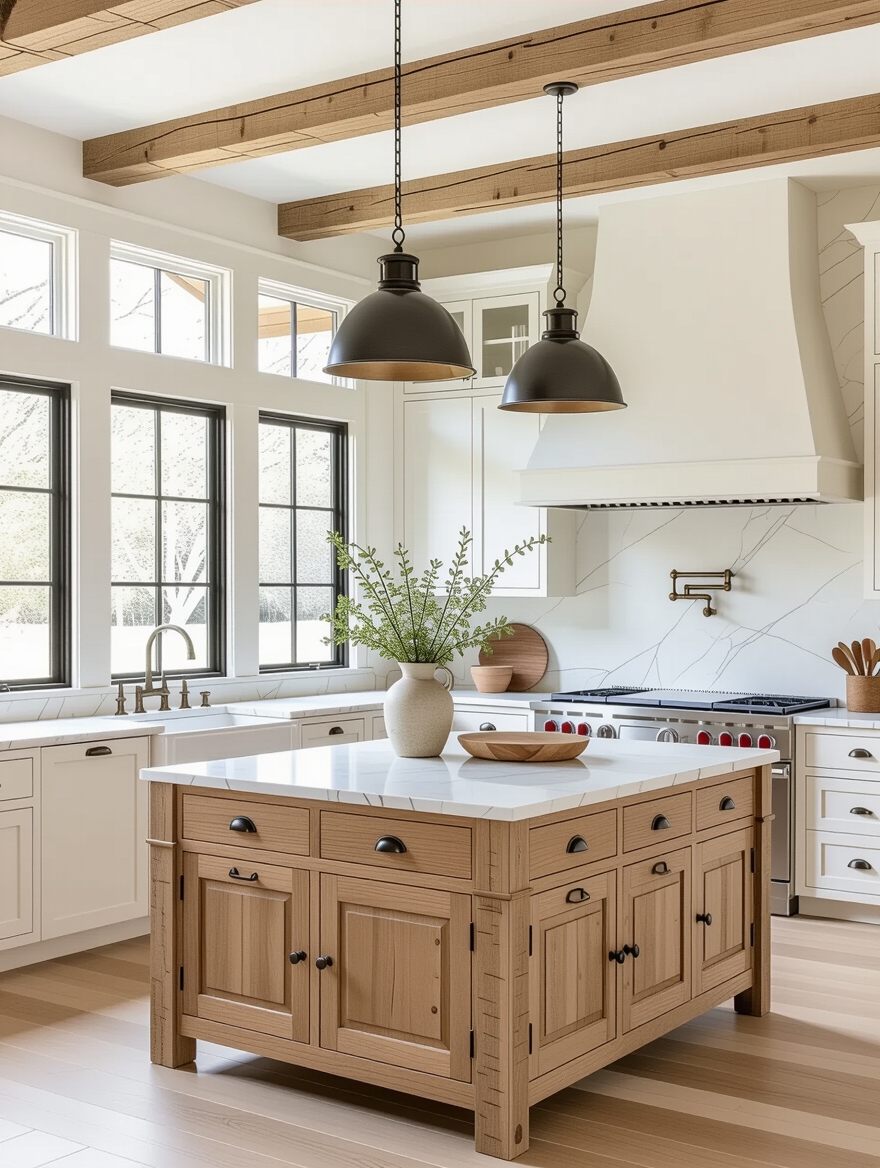
Rustic cabinets, worn wood, aged finishes, a sense of history, set a soulful, character-rich tone that makes the whole home feel collected over time. The warmth and texture radiate into the connected rooms, telling the house to be relaxed and unpretentious. For a home that should feel gathered and human rather than showroom-perfect, rustic is the keynote. Here is how to set it.
- Lean on honest, weathered materials and let the adjoining rooms share the same natural, warm palette.
- Repeat a rustic element, a reclaimed wood shelf, an aged metal, in the next room to carry the soul through.
- Keep the rest of the home warm and a little imperfect, so the rustic tone feels whole rather than themed. See rustic green that adds character.
Matte vs. Glossy: The Finish Sets a Mood

Even the finish sets a tone the whole home picks up on. A matte cabinet finish sends a soft, calm, contemporary signal, absorbing light and looking quiet, while a glossy finish sends a bright, energetic, glamorous one, bouncing light around the connected space. The sheen is a quiet tone-setter most people never consciously notice but always feel.
Match the finish to the mood you want the home to have. For a calm, grounded, modern home, matte suits the whole palette and hides daily wear; for a bright, lively, light-starved space, a higher sheen energizes the rooms and reflects what light there is. Most homes land happily on satin, which sets a balanced tone and wipes clean.
Whatever you choose, keep the finish consistent within the kitchen so the tone reads clearly. A confident, single-sheen kitchen sends a more composed signal through the home than a patchwork of finishes, which can feel slightly unsettled even when you cannot say why.
Maintenance & Care
Cabinets can only set a great tone for the home if they keep looking the part, and the upkeep is mercifully simple. Wipe spills as they happen, clean with mild soap and a soft cloth rather than harsh sprays, and a quick daily wipe of the busiest fronts takes under a minute and keeps the finish looking cared for.
Keep a labeled pint of your cabinet color for touch-ups, since a chipped front near a handle quietly undercuts the whole home’s polished tone until you fix it.
Match the care to the finish you chose. Matte hides fingerprints and water spots well and asks for little; high gloss looks brilliant but shows every smudge, so it rewards a more frequent wipe.
Natural wood appreciates the occasional re-oiling or conditioning, perhaps a couple of times a year, to keep its warmth alive. None of it is demanding, but a kitchen that sets the tone for the entire home is worth the few minutes a week it takes to keep it sending the right signal.
Tone-Setting Cabinet Questions
?Why do kitchen cabinets set the tone for the whole home?
In open-plan homes, the kitchen sits in the sightline of the living and dining areas, and the cabinets are the single largest expanse of color and material in that view. Because they are so dominant and so permanent, the mood they send, fresh, warm, calm, or bold, ripples into every connected room, whether you planned it or not.
?What cabinet color sets the most flexible tone?
A warm white or a soft greige, because they read as calm, open keynotes that let the rest of the home go almost any direction. Neutral cabinets dictate the least, so you can redecorate the adjoining rooms freely over the years. If you want flexibility above all, lean neutral and let the smaller, changeable things carry the personality.
?How do I make my kitchen feel connected to the rest of my home?
Carry one cabinet element into the adjoining rooms: repeat the cabinet color in a cushion or piece of art, echo the wood tone in furniture, or use the same metal finish on lights and hardware throughout. Three repeated threads across the sightline make the kitchen read as part of the home rather than a separate box.
?Should I choose bold or neutral cabinets?
It depends on the tone you want the whole home to have and how long you plan to stay. Bold cabinets set a confident, decisive keynote but commit you and the adjoining rooms to that color; neutral cabinets set a calm, flexible tone and suit resale. A muted version of a bold color is the middle path, decisive but easy to live beside.
?Does the cabinet finish really affect the whole home?
More than people expect. A matte finish sends a soft, calm signal and absorbs light, while a glossy one feels bright and energetic and bounces light into the connected rooms. In an open plan, that sheen subtly shapes the mood of the whole space, which is why keeping the finish consistent and matched to your desired mood matters.
Choose for the Home, Not Just the Kitchen
The lesson under all fifteen of these ideas is that in a connected home, you are never only choosing a kitchen; you are choosing the keynote for everything you can see from it. White sets a fresh tone, wood a warm one, a bold color a confident one, and the finish quietly colors the mood on top, all of it rippling into the rooms beyond the counter. The kitchens that feel right are the ones chosen with the whole home in mind, not in isolation.
So before you pick a cabinet color, stand in your living room and look toward the kitchen, and ask what tone you want that whole view to send. What mood do you want your home to greet you with?
More Looks We Love


