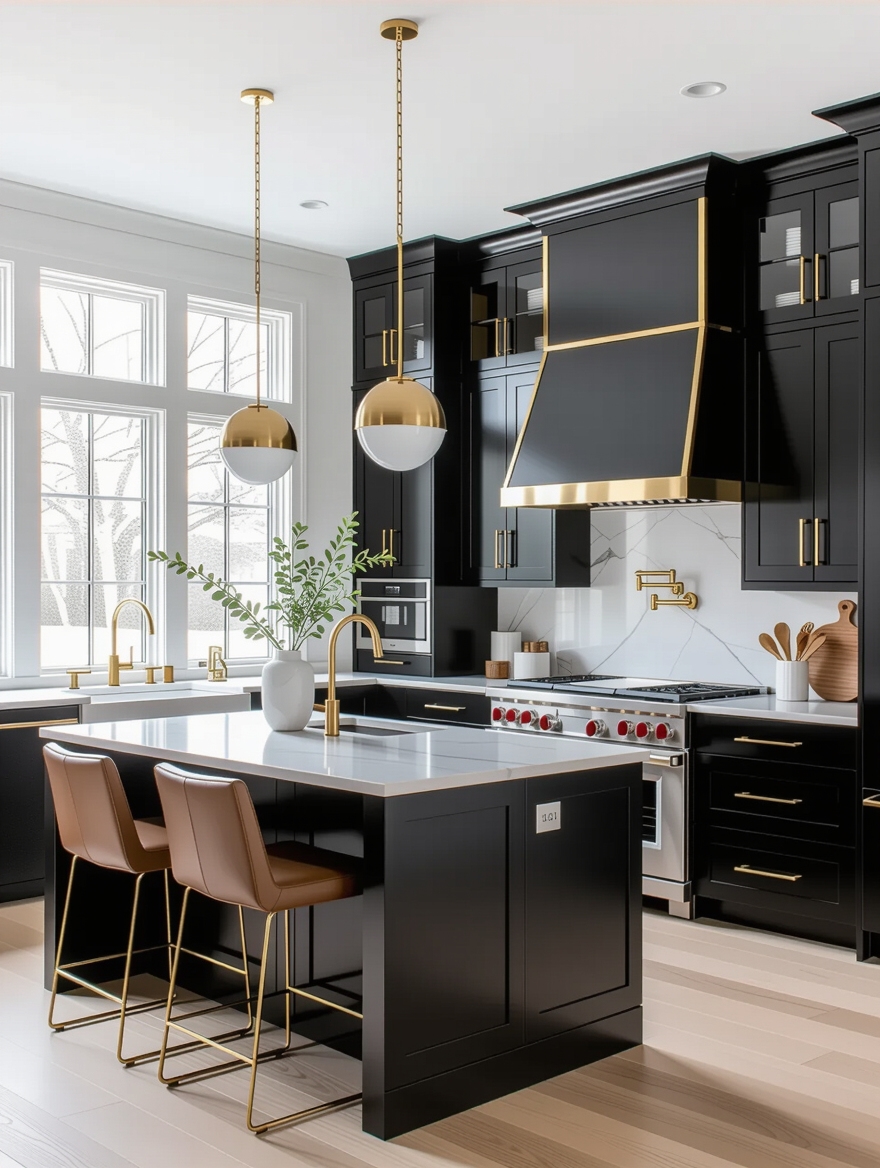

A small kitchen is not a problem to solve so much as a space to use better. The cramped feeling usually comes from wasted walls and a buried counter, not from square footage alone. Fix those two things and a tiny kitchen starts to feel twice its size.
Everything below is simple, cheap, and copyable, the kind of thing you can do on a Saturday without a contractor or a landlord’s blessing. I have used most of these in tight apartment kitchens over the years, and they work. Pick a few that match your space and your lease, and start with the one that fixes your biggest daily annoyance.
Small Kitchen, Big Wins
The fastest wins in a small kitchen come from going vertical and clearing the counter. Use the walls for storage, hang what you can, and keep flat surfaces free, and the room instantly breathes easier.
Most of these ideas cost under fifty dollars and undo in minutes, which makes them perfect for renters. Start with the one that solves your worst daily frustration, then add others as you go.
Know Your Small Kitchen Before You Maximize It

Before you buy a single organizer, spend a few days noticing where your small kitchen actually fails you. Is the counter always buried? Do you dig through deep cabinets? Is there a wall doing nothing? The fix follows the frustration, and guessing wrong wastes money you do not have to spare.
Small kitchens almost always have hidden capacity. The backs of cabinet doors, the wall above the counter, the gap beside the fridge, and the empty air below the upper cabinets are all usable. Most cramped kitchens are not full; they are just badly arranged.
I always start a tight kitchen with that honest look around. Once you can name your three biggest annoyances, the rest of this list becomes a menu, and you only pick the dishes that feed your actual problem.
Choose Compact Appliances
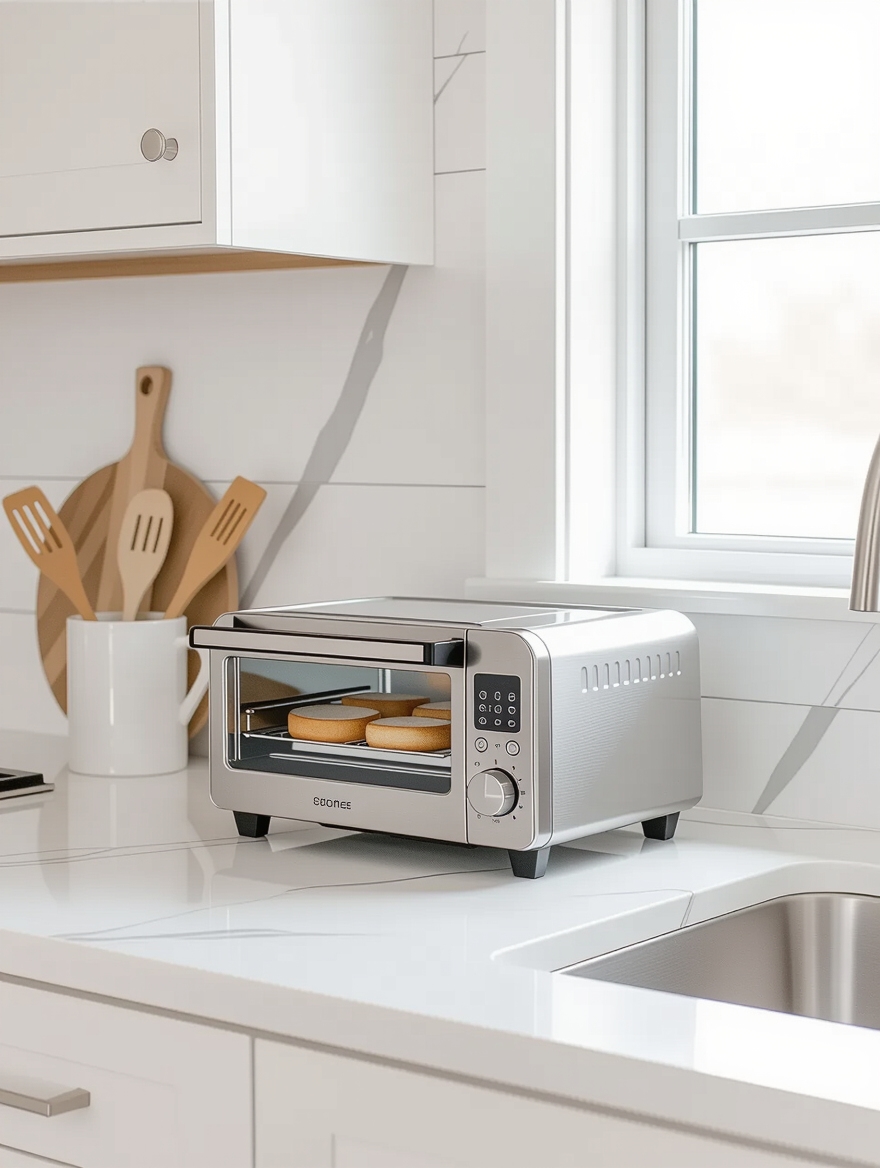
Full-size appliances eat a small kitchen alive. Swapping to compact versions, an 18-inch dishwasher, a slim fridge, or a combination microwave-oven, hands back inches you did not know you had. The trick is matching the machine to how you really cook, not to a showroom.
You do not have to replace everything at once. Start with the appliance that hogs the most counter, often a bulky microwave or a coffee maker you rarely use. One swap can clear a whole working zone.
- Replace a bulky microwave with a combo unit to reclaim counter and a toaster oven.
- Choose an 18 to 24-inch dishwasher if a full-size one crowds the room.
- Retire any appliance you use less than monthly to a cabinet or a closet.
Space-Saving Multi-Functional Furniture and Tools

In a small kitchen, every piece should earn its footprint twice. Furniture and tools that do more than one job are how you fit a full kitchen into a closet-sized room. A nesting set replaces a drawer of single-use gadgets.
- Use a rolling cart as movable prep, storage, and a serving surface in one.
- Choose nesting bowls and collapsible colanders that stack down to almost nothing.
- Pick a drop-leaf table that seats two and folds flat against the wall when not in use.
Use Vertical Storage on Small Kitchen Walls

The walls are the biggest unused asset in any small kitchen, and going vertical is the single highest-impact move you can make. Take storage up toward the ceiling and you free the counters and cabinets for the things you reach for daily. The same storage tricks that rescue any cramped room start on the walls.
- Mount a rail with S-hooks above the counter for mugs, tools, and a roll of towel.
- Add a slim shelf high on an empty wall for things you use less often.
- Take at least one cabinet run to the ceiling to stop wasting the top foot of air.
📋Wall space you are probably wasting
- ✓The backs of cabinet doors (clip-on racks).
- ✓The wall above the counter (rail and hooks).
- ✓The gap beside the fridge (slim pull-out or cart).
- ✓The foot of air below the upper cabinets (under-shelf baskets).
Install Pull-Out Cabinet Shelves

Deep base cabinets are where small-kitchen storage goes to die. You lose a third of every cabinet to the dark zone you cannot reach, so pull-out shelves and baskets bring the whole thing forward to you. No more crouching and digging for the pot at the back.
These are renter-friendly too. Plenty of pull-out organizers simply rest on the existing shelf or screw in with a few screws you can patch later. Expect to pay about $15 to $40 per pull-out basket, far less than new cabinets.
Put the heaviest, deepest pull-out where your pots live, since that is the cabinet that frustrates people most. One good slide-out turns a useless deep box into the most usable storage in the room.
Add Magnetic Strips for Knives and Tools
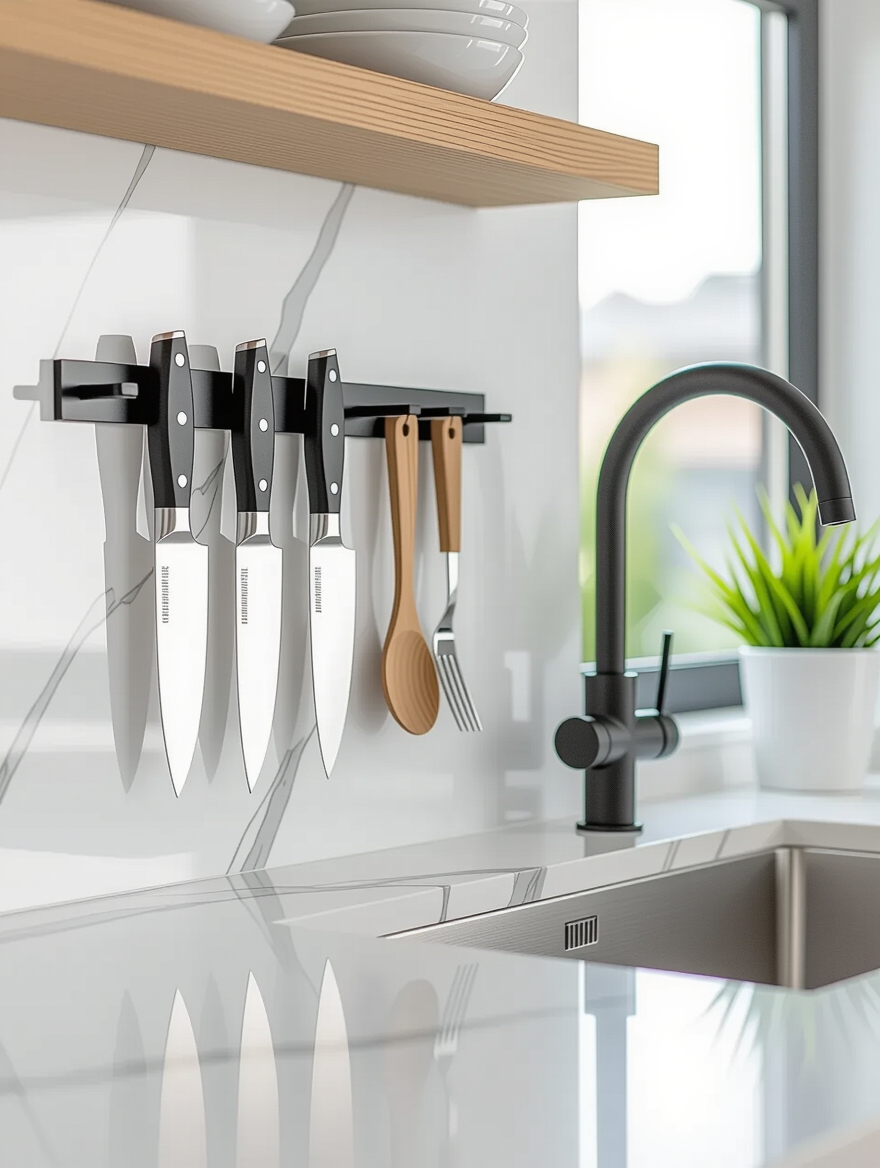
A magnetic strip is the cheapest counter-clearing trick there is. Mount one above the counter and your knives, peelers, and metal tools leave the drawer and live on the wall, where you can grab them fast. I put one in every tiny kitchen I touch, and it always frees up a whole drawer.
- Hang a magnetic knife strip for about $15 to $30 and gain back a drawer.
- Use a second small strip for metal spice tins or frequently grabbed tools.
- Mount it at a comfortable reach above the counter, clear of the backsplash splatter zone.
Hang Pots and Pans to Free Cabinets

Pots and pans are bulky, awkward to stack, and they swallow a whole cabinet in a small kitchen. Hanging them on a rail, a pegboard, or a ceiling rack gets them out of the cabinet and turns them into a bit of warm, working decor along the way.
Keep it to the pieces you use most so the wall stays useful rather than cluttered. A simple wall rail runs around $20 to $50, and a pegboard you can cut to fit costs even less, with the bonus that you can rearrange the hooks whenever your needs change.
Which counter-clearing move fits you?
🎯I rent and can’t drill much
Use a magnetic strip with heavy-duty adhesive, a rolling cart, and over-cabinet-door racks, all removable.
🎯I own and want real storage
Install pull-out cabinet shelves and a wall rail, then take one cabinet run to the ceiling.
🎯I have zero counter space
Add a fold-down or drop-leaf counter and move daily tools to the wall to keep the surface clear.
Open Shelving for Access and Air

Swapping a run of heavy upper cabinets for open shelves makes a small kitchen feel airier, because the wall stops reading as a solid block. You also see everything at a glance, which speeds up cooking in a tight space.
The catch is that open shelves only look good when they hold things you actually use and rotate. Keep them to one wall and stock them with everyday dishes, so constant use keeps them clean and the room stays calm rather than busy.
- Mount one run of open shelves rather than tearing out every upper.
- Store daily dishes there so they stay clean through constant use.
- Bracket solid wood shelves for about $40 to $80 a pair in an afternoon.
Drawer Organizers That Keep Order

A small kitchen lives or dies by its drawers, and an organizer turns a junk drawer into usable storage. Dividers give every utensil a lane, so you stop pawing through a tangle and fit far more into the same space. It is a five-dollar fix that pays off every single day.
- Add adjustable drawer dividers to separate utensils, wraps, and gadgets.
- Use a tiered insert for cutlery so a shallow drawer holds more.
- Dedicate one drawer to foil and wrap so it stops eating cabinet space.
| Zone | Keep here | Free up by |
|---|---|---|
| Prep counter | Cutting board, knife strip | Hanging tools, clearing gadgets |
| Cook zone | Pots, oils, spoons | Hanging pans, a rail of utensils |
| Storage wall | Daily dishes, dry goods | Open shelves, ceiling-height cabinets |
Fold-Down Counters to Save Space

When counter space is the real shortage, a fold-down or drop-leaf counter prints more on demand. A hinged shelf mounted to the wall gives you a real prep or eating surface, then folds flat to nothing when you need the floor back.
Surface on demand, floor back after
This is a doable weekend build with a board, a piano hinge, and a folding bracket, often under fifty dollars in parts. It suits the tiniest galley and studio kitchens, where a permanent counter would block the walkway.
Mount it at a height that works for both prep and a quick stool-side meal. A fold-down counter is one of the few moves that truly adds usable surface to a kitchen that has run out of room, the same logic behind many tiny kitchen fixes.
Light, Mirrors, and the Mistakes to Skip
Two free moves make a small kitchen feel bigger than any organizer can. First, keep the colors light: pale cabinets, a white or soft backsplash, and a clear counter all bounce light and blur the edges of the room, so the walls stop closing in.
I steer almost every small-kitchen client toward a lighter palette before we spend a dollar on storage. Second, add a reflective surface, a mirror on a blank wall, a glossy tile, or even a shiny kettle, to throw light around and trick the eye into reading more depth than is really there.
The mistakes are just as important. The biggest one I see is over-buying organizers before doing the honest audit, so a drawer of unused bins simply becomes new clutter. The second is cramming every wall and shelf full; a small kitchen needs a little empty space to breathe, and a packed room always feels smaller than a calm one.
I recommend fixing your three real frustrations, then stopping. And do not chase every viral gadget, since most single-use tools cost you the very counter and cabinet space you are trying to save.
Small Kitchen Questions, Answered
?How do I make a small kitchen look bigger?
Light colors, clear counters, and reflective surfaces do most of the work. Keep cabinets and walls pale, hang a mirror or use a glossy backsplash to bounce light, and take storage up the walls so the floor and counters stay open.
?What is the best small kitchen idea for renters?
Anything removable: a magnetic knife strip, a rolling cart, over-the-door racks, and tension-rod or adhesive organizers. They clear the counter and add storage without a single permanent change, so your deposit stays safe.
?How do I create zones in a tiny kitchen?
Group your tools by task, not by type. Keep knives and a board at the prep counter, pots and oils by the stove, and daily dishes near the sink, so each small area does one job and you stop crossing the kitchen mid-recipe.
Use the Space You Already Have
A small kitchen rarely needs more square footage; it needs its walls, doors, and dead corners put to work. Go vertical, clear the counter, and give every tool a home, and the room you have starts to feel like enough.
Pick the one idea that fixes your biggest daily annoyance and try it this weekend. Most cost less than a takeout dinner and undo in minutes, so there is no risk in starting small and building the tiny kitchen that finally works for you.
Favorites to Revisit