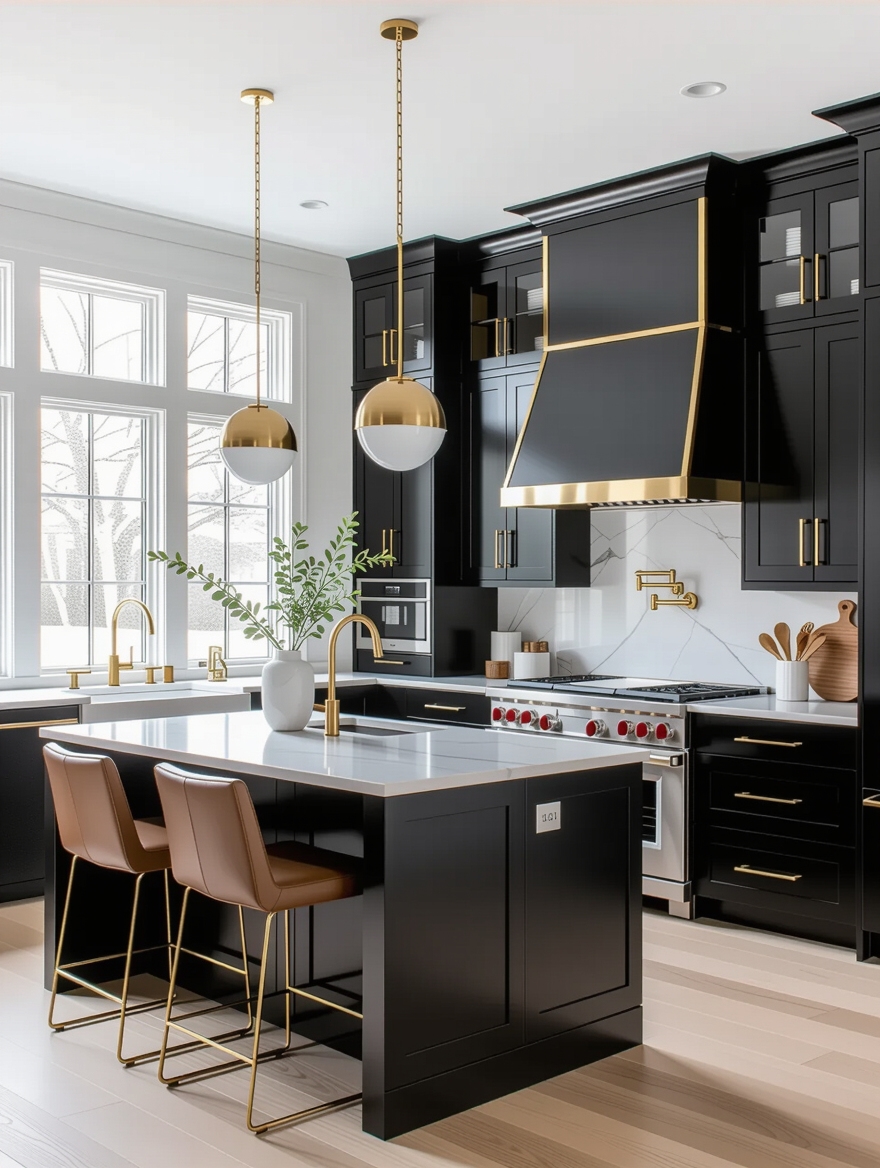

Can a kitchen too small for an island still seat people for dinner? Almost always, yes. The trick is to stop thinking of dining as a separate room and start carving eating space out of the kitchen itself, with seating that folds, tucks, or doubles as storage. Done right, a tight kitchen hosts a cozy gathering better than a cavernous one ever does.
These fifteen ideas are about fitting real meals and real company into a tight space without it feeling cramped. Each comes with what it suits and a rough cost, from a built-in bench that hugs a corner to a table that drops to nothing when the guests leave. Pick the ones that match your space and how you like to gather.
Seating That Fits a Small Space
| Idea | Best for | Rough cost |
|---|---|---|
| Built-in bench nook | Corners and bay windows | $300 to $1,200 |
| Drop-leaf or extending table | Flexible everyday-to-party seating | $100 to $400 |
| Compact bistro set | Tiny kitchens and rentals | $80 to $250 |
| Bench with hidden storage | Seating plus pot or linen storage | $150 to $500 |
A Smart Kitchen Layout With Room to Eat

Before you buy a single chair, look at how the kitchen itself is arranged, because the layout decides how much room is left to eat. A U-shape or galley that keeps the cooking tight in one zone often frees a corner or a wall for a table that a sprawling layout would have swallowed.
The goal is one clear cooking triangle and one undisturbed eating spot, so cooks and diners are not fighting for the same square foot. Even shifting the fridge or compacting the run can open just enough wall for a bench.
- Keep the cooking zone tight so the rest of the room can host.
- Claim a corner or a single wall for dining, away from the work path.
- Look at a galley kitchen layout if your space is long and narrow.
Compact Dining Sets for Cozy Spaces

The right small table is the difference between a kitchen you can eat in and one you cannot. Shape matters here. A round bistro table fits a tight kitchen better than a square one, since there are no corners to bump and you can squeeze an extra chair around the curve.
Scale the set to the room, not to a showroom. A 30-inch round seats two daily and three in a pinch, and a slim rectangular table against a wall works where a full set never would. Plan on roughly $80 to $250 for a compact set.
- Choose a round table to ease tight traffic and seat one more.
- Pick chairs that slide fully under the table to clear the floor.
- Consider stools you can tuck away when you are not hosting.
Which dining setup fits your kitchen?
🎯I host often but the kitchen is tight
A built-in corner bench plus an extending table seats the most people in the least floor.
🎯It is just me or two of us
A round bistro set or a wall-mounted drop-leaf gives you a real spot without crowding the room.
🎯I rent and can’t build anything
Use a freestanding drop-leaf table and tuck-away stools, both of which move with you.
Versatile Furniture That Maximizes Space

In a small kitchen-diner, furniture that does two jobs is how you fit both functions in one footprint. A console that unfolds into a dining table, a kitchen cart that becomes a buffet, or stools that slide under the counter all earn their keep twice.
Compact daily, generous for guests
The win is flexibility: everyday the piece stays compact, and when company comes it expands to meet the moment. That is what lets a kitchen that seats two on a Tuesday host six on a Saturday.
Look for pieces that fold, extend, or roll, and measure the expanded size as well as the folded one. A console table that opens to seat six is useless if there is no room to open it, so I always check both footprints before buying.
A Cozy Built-In Bench Nook

A built-in bench is the single best seating move for a small kitchen, because it tucks into a corner or under a window where chairs would waste space. It pulls its weight. A banquette seats more people per inch than loose chairs, since no one needs room to pull a seat out.
It also turns an awkward corner into the coziest spot in the home, the one everyone gravitates to. Add a slim table and a couple of chairs on the open side, and you have a real dining nook in a space a table alone could not fill.
A simple bench runs roughly $300 to $1,200 depending on whether you build or buy, and the storage version pays for itself fast. A basic plywood version is a weekend build. When a corner is going spare, a banquette is the first thing I reach for, and the same logic drives most breakfast nook designs.
Style a Tight Corner to Maximize Space

Not every awkward corner needs a bench. A small kitchen often has a leftover nook that suits a slim drop-leaf ledge, a pair of tuck-away stools, or a narrow coffee-and-tea station instead, turning dead space into something useful without committing to built-in seating.
- Mount a narrow drop-leaf ledge in the corner for solo meals or extra prep.
- Set up a compact coffee or bar station there to free the main counter.
- Add a soft lamp and a piece of art so the corner feels like a chosen spot.
Mirrors to Enhance a Small Kitchen

A mirror is the cheapest way to make a small kitchen-diner feel bigger and brighter. It is an old designer trick. Hung opposite a window, it bounces daylight deep into the room and doubles the sense of space, which matters most in the dining corner where you linger.
Reflect light, not clutter
It does not have to look like a bathroom mirror. A framed vintage piece, an antiqued panel, or a mirrored backsplash strip all add light and a little glamour to a cramped eating spot.
Place it where it reflects something worth seeing, a window, a plant, or the table itself, rather than a cluttered counter. A well-placed mirror can make a two-seat nook feel like a proper dining area.
📋Quick clearances for a small kitchen-diner
- ✓Leave about 36 inches behind seated diners to pass by.
- ✓Allow roughly 24 inches of table width per person.
- ✓Hang the dining pendant 30 to 34 inches above the table.
- ✓Keep one continuous floor color to make the space read larger.
Bright Colors to Lift the Room

A small kitchen-diner can take more color than you think. Go a little bolder. The right hue makes the gathering spot feel warm and alive, and a cheerful wall behind the table or colorful chairs around it turns the eating area into the heart of the room.
Keep the big surfaces calmer and let the dining zone carry the color, so the space stays cohesive. A bold nook against soft kitchen cabinets reads intentional and inviting, which is exactly the mood a gathering wants.
- Put the boldest color in the dining zone to mark it as the social spot.
- Use color on swappable things, like chairs or cushions, to keep it low-risk.
- Keep cabinets and counters quieter so the color has room to shine.
Warm, Inviting Lighting for Gatherings

Lighting is what turns a functional kitchen into a place people want to linger over dinner. I tell every client this. A pendant hung low over the table, separate from the bright task lights, creates a pool of warm light that pulls everyone in close.
Keep the cooking zone bright and the dining zone soft, and put both on dimmers so the room shifts from prep to gathering with a turn of a knob. Swapping a fixture takes about an hour. That contrast is the whole secret to a cozy small kitchen-diner.
- Hang a pendant low over the table, about 30 to 34 inches above it.
- Use warm 2700K bulbs and a dimmer for an inviting evening glow.
- Add a small lamp or candle in the nook so the corner feels intimate.
The coziest dinners I have seen were not in big dining rooms; they were squeezed around a small table under a low, warm light, where everyone sat close enough to pass a dish by hand.
Go Vertical to Maximize the Floor Space

The more storage you take up the walls, the more floor is left for people to gather. Up, not out. In a small kitchen-diner, going vertical with tall cabinets, high shelves, and hanging rails frees the floor that seating needs.
It also keeps the dining zone clear of the clutter that creeps in when storage runs short. A wall of slim shelving above the bench can hold dishes and books without eating into the room people sit in.
Think of the floor as seating real estate and the walls as storage real estate. Split them that way, and even a tiny kitchen finds room for both a full pantry and a place to eat, the same instinct behind any clever small kitchen plan.
Flexible, Space-Saving Dining Solutions

The most flexible seating of all is the kind that disappears when you do not need it. A drop-leaf table folds to a slim console against the wall, a wall-mounted fold-down table vanishes entirely, and an extending table grows only when guests arrive.
This is the answer for the smallest kitchens, where a permanent table would block the room daily for the few nights a month you host. You reclaim the floor every other day and still seat a crowd when it counts.
A drop-leaf or fold-down table runs roughly $100 to $400, far less than the space it saves is worth. I love these for studio and one-wall kitchens, where every square foot has to work double.
How to Get the Look
Pulling a cozy small kitchen-diner together comes down to zoning and flexibility. Decide where cooking ends and gathering begins, even if they share one room, then give the dining zone its own anchor: a bench, a low pendant, and a pop of color that says this is the spot to sit.
Spend on the seating that earns its keep, a built-in bench with storage or a good extending table, and save on the rest with stools and cushions you can tuck away. Most of these moves cost a few hundred dollars, not a renovation.
The mistake to avoid is forcing a full-size dining set into a kitchen that cannot hold it, which blocks the room every day for the rare dinner party. Favor pieces that collapse, slide away, or hide storage, light the table warmly and on its own dimmer, and lean on mirrors and wall storage to keep the floor open. Get those right and a tight kitchen becomes the place everyone wants to crowd into.
Small Room, Big Gatherings
A small kitchen is not a reason to skip the dinner party; it is a reason to be clever about seating. Carve the eating space out of the kitchen, lean on benches and folding tables that flex with the night, and light the table to say stay a while, and a tight room turns into the coziest gathering spot in the house.
Start with the one seating move that fits your space, whether that is a corner bench or a drop-leaf table, and build the rest around it. Bookmark the ideas that suit how you gather, and the next dinner will feel less like squeezing in and more like settling down.
More Inspiration