

Where does all the space in a kitchen actually go? Usually into the gaps a standard cabinet wastes: the dark back corners, the dead space above the uppers, the cavern under the sink. Modular cabinets exist to claim every one of those inches, which is why a well-planned modular kitchen holds so much more than it looks like it should.
The trick is choosing the right units for where your space hides. Here are fourteen smart modular cabinets that maximize every inch, what each one solves, honest notes on cost, and which kitchen each suits best.
Claim Every Inch
- Modular cabinets are built to claim the inches standard ones waste.
- Go vertical and into the corners, where the most space hides.
- Pull-outs and slide-outs beat fixed shelves for reaching the back.
- Match the units to where your kitchen actually loses space.
Functional Storage That Adapts

The whole point of modular cabinetry is that it adapts to your space and your stuff, rather than forcing you to adapt to it. Standardized units in set widths let you configure the exact mix of drawers, pull-outs, and shelving your kitchen needs, and reconfigure later if it changes.
Buy Storage for How You Cook
That flexibility is why modular suits small and busy kitchens so well: you buy storage for how you actually cook, not a generic layout.
Start by noticing where your current kitchen runs out of room, then choose the units below that solve exactly that.
Wall-Mounted Cabinets for Space Saving

Lifting cabinets off the floor and onto the wall is the first move for a tight kitchen. Wall-mounted modular units free the floor beneath, which makes a small room feel larger and easier to clean, and they put daily items right at eye and hand level.
It is a simple change. The effect on how open a kitchen feels is outsized.
- Mount uppers to the ceiling so no dead gap collects dust.
- Keep the floor clear beneath to make the room feel bigger.
- Use the wall between counter and uppers for a rail or slim cabinet.
👍Why Modular Cabinets Maximize Space
- +Standard units configure to the exact mix your kitchen needs.
- +Pull-outs and tall units claim the inches standard cabinets waste.
- +Reconfigurable later as your storage needs change.
👎Where to Be Careful
- –Cheap runners and hinges fail fast; the mechanisms matter most.
- –Too many gadgets you never use add cost without value.
- –Set widths can leave filler gaps in an oddly sized room.
Tall Cabinets for Vertical Storage

When the floor is full, the answer is up. Go vertical. Tall, floor-to-ceiling modular cabinets turn an entire vertical strip into storage, holding far more than a stack of uppers and lowers in the same footprint. They are the single best way to maximize a small kitchen’s capacity.
- Run a tall pantry unit floor to ceiling for maximum capacity.
- Store occasional items up high and daily ones at reach.
- A pull-out larder inside a tall unit beats deep fixed shelves, since you can see every item at a glance.
Corner Cabinets That Use Every Nook

The corner is where the most space goes to die. Modular corner units are built to reclaim it. A lazy Susan, a magic corner, or a diagonal cabinet turns the awkward dead nook into truly usable, reachable storage.
- A rotating lazy Susan makes the whole corner reachable.
- A pull-out magic corner swings the back contents out to you.
- Corner organizers run about $80 to $300 depending on the mechanism.
A few modular storage terms worth knowing:
📖Magic corner
A pull-out corner mechanism that swings the back shelves out to you, reclaiming dead corner space.
📖Toe-kick drawer
A shallow drawer in the recessed space below the base cabinets, perfect for flat trays and platters.
Pull-Out Pantry Cabinets

A pull-out pantry ends the digging. No more lost cans. A tall, narrow cabinet on full-extension runners brings every shelf out to you, so nothing disappears into the back, and it fits into surprisingly slim gaps a normal cabinet could not use.
I tell clients it is the modular upgrade they thank me for most, since it turns a frustrating cupboard into the easiest storage in the kitchen.
- A slim pull-out pantry fits gaps as narrow as a few inches.
- Full-extension runners bring the back shelves right to you.
- It keeps tall, narrow dead space working instead of wasted.
Adjustable-Shelf Storage Solutions

Adjustable shelving is the quiet feature that makes modular cabinets keep earning their space over the years. Movable shelves let you size each gap to what actually lives there, tall bottles here, short jars there, so no vertical space sits empty above the contents.
It costs little extra and pays off every time your storage needs change.
- Size each shelf gap to the items, leaving no wasted air above.
- Reconfigure as your needs change, no new cabinet required.
- Pair adjustable shelves with risers to double a shelf’s capacity.
“Before you buy modular cabinets, do one thing: walk your current kitchen and note exactly where you run out of room and what frustrates you daily. Buy the units that solve those specific problems, the corner, the pantry, the under-sink, rather than a catalog of every clever feature. The targeted approach maximizes both your space and your budget.”
Slide-Out Drawer Storage

Replacing fixed lower shelves with deep slide-out drawers is one of the biggest everyday upgrades modular cabinets offer. Drawers bring the contents up and out, so you see and reach everything at a glance instead of crouching and rummaging in a dark cupboard.
Deep drawers hold pots, pans, and even small appliances, and pegged dividers keep it all from sliding into chaos every time you open them. For the back of a base cabinet, a slide-out is always better than a shelf.
Built-In Appliance Storage
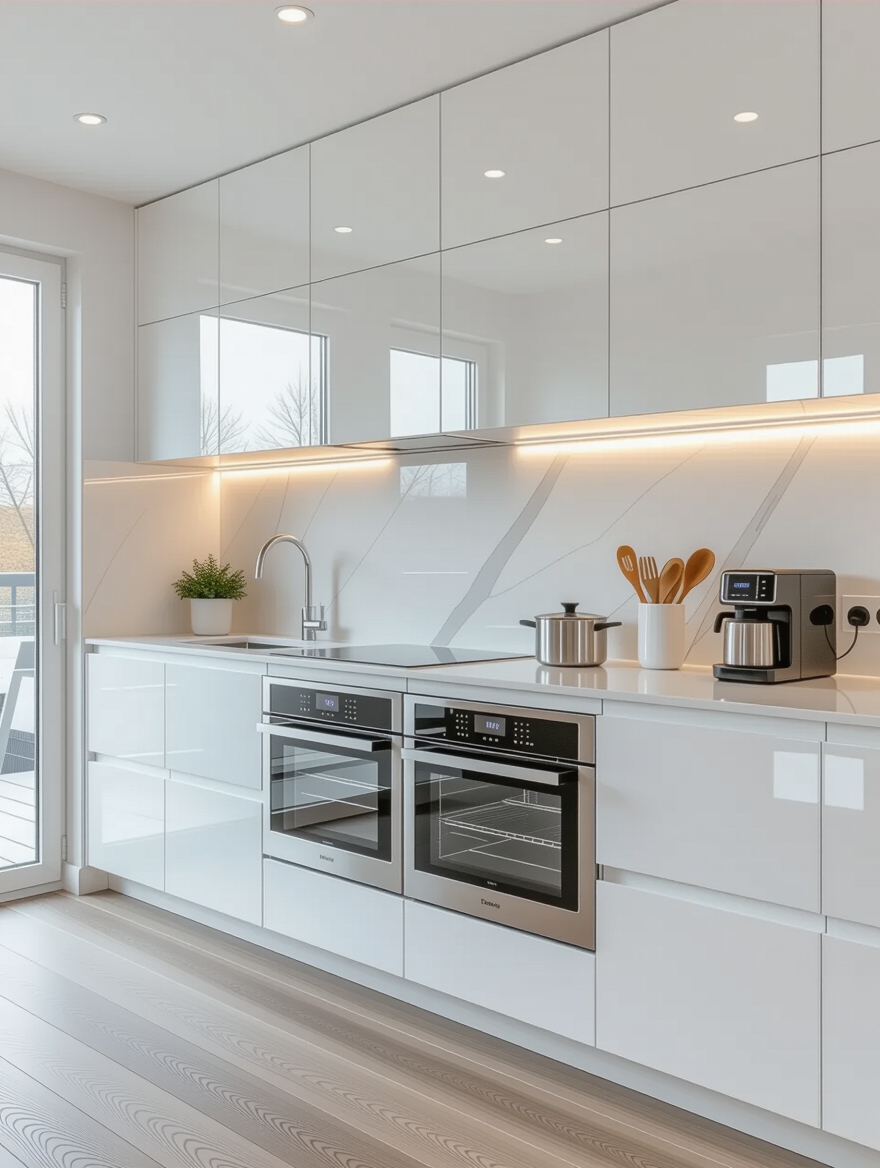
Counter clutter is mostly appliances with nowhere to go. Modular cabinets solve it with dedicated appliance storage. An appliance garage with a roll-up door, a dedicated mixer lift, or a deep drawer sized for the toaster keeps the small appliances handy but out of sight.
Get Appliances Off the Counter
Clearing those bulky items off the counter is one of the fastest ways to make a kitchen feel larger and calmer.
Plan a dedicated spot for each appliance you use weekly, and the counters finally stay clear.
An Island With Integrated Storage

A modular island doubles as a storage powerhouse, putting drawers, cabinets, and even a pull-out bin into the middle of the room where they are easy to reach. Because it is modular, you can configure the base entirely for storage, prep, or a mix, so every inch of that central footprint works.
- Configure the island base with deep drawers on the working side.
- Add a pull-out bin so trash and recycling stay hidden.
- Keep the seating side clear of knees and storage.
Recycling and Waste-Sorting Cabinets

A waste-and-recycling cabinet is the unglamorous unit here. It quietly improves daily life. A pull-out with separate bins for trash, recycling, and compost keeps the bins out of sight and the sorting easy, freeing the corner where a freestanding bin usually sits.
Hide the Bins, Ease the Sorting
It is a small footprint for a feature you use a dozen times a day. A single pull-out bin unit replaces the freestanding can that always seemed to be in the way, and it keeps odors and clutter behind a door.
Site it near the sink and prep zone, where most waste is generated, so it is always a step away.
Hidden Storage Compartments
The cleverest modular units claim space you did not know you had. Toe-kick drawers in the few inches below the base cabinets, a pull-out spice rack beside the range, and shallow door-back racks all turn forgotten gaps into real storage. None of it shows, which keeps the kitchen looking calm while holding more.
These are the small upgrades that add up, and many can be retrofitted into existing cabinets for under $50 each. A toe-kick drawer alone can store the flat trays and platters that fit nowhere else, and most retrofit in well under an hour.
Open-Frame and Glass-Front Cabinets
Not every modular unit needs to hide its contents. Open-frame and glass-front cabinets break up a wall of solid doors, add display and easy access, and keep a small kitchen from feeling boxed in. They are the styling relief among all the hardworking storage.
Use them sparingly, one or two among closed units, and reserve them for pieces worth seeing, since open and glass storage only works when it stays edited. Reeded glass forgives a less-than-perfect shelf. The cabinet ideas worth stealing show how to balance open and closed.
Under-Sink Storage Solutions
The cabinet under the sink is the most wasted in the kitchen. Pipes block it and it becomes a dark jumble. Modular under-sink solutions, U-shaped pull-outs that wrap the plumbing, tiered organizers, and door-mounted caddies, reclaim that awkward space for cleaning supplies and bins.
A U-shaped pull-out is the key, since it works around the pipes instead of surrendering to them. It is a cheap fix, often under fifty dollars, for one of the kitchen’s most frustrating cabinets. For more small-kitchen wins, see these mini kitchen ideas and small-space solutions.
Who It Suits Best
Choosing among these units comes down to where your kitchen loses space. A small kitchen needs the wall-mounted, tall, and corner units most; a serious cook wants slide-out drawers and appliance storage; and anyone fighting daily clutter should start with a pull-out pantry and a waste-sorting cabinet.
I tell clients to match the units to their real frustrations rather than buying every clever feature, and the kitchen holds more without feeling crammed. A calm minimal base sits on exactly this kind of hidden, well-planned storage.
Modular Cabinet Questions, Answered
?How do modular cabinets maximize kitchen space?
They are built to claim the inches standard cabinets waste: corner units reclaim dead nooks, tall units use vertical space, and pull-outs reach the back of deep cabinets. You configure the exact mix your kitchen needs rather than a generic layout.
?What modular cabinet is best for a small kitchen?
Start with wall-mounted units to free the floor, a tall floor-to-ceiling pantry for vertical capacity, and a corner unit like a lazy Susan or magic corner. Together they claim the space a small kitchen loses most.
?Are pull-out cabinets worth the cost?
Yes, especially the pantry and corner pull-outs. They turn frustrating, hard-to-reach cupboards into the easiest storage in the kitchen, and corner mechanisms run about $80 to $300, which is modest for how much dead space they reclaim.
?How do I make the most of under-sink storage?
Use a U-shaped pull-out that wraps around the plumbing, plus a tiered organizer or door-mounted caddies. These work around the pipes instead of surrendering to them, and many cost under fifty dollars to retrofit.
?What should I look for in modular cabinets?
Pay attention to the mechanisms, full-extension runners and quality soft-close hinges, since cheap hardware fails fast. Then choose units that solve your specific space problems rather than buying every clever feature you will not use.
Match the Units to Your Wasted Space
Modular cabinets maximize a kitchen because they are built to claim the exact inches a standard layout wastes, the corners, the vertical strips, the dead space under the sink. The capacity is not magic; it is choosing the right units for where your space actually hides.
So start by finding where your kitchen loses room and what frustrates you most, then pick the units here that solve it. Match the storage to your real life rather than every clever gadget, and even a small kitchen will hold far more than you thought it could.


