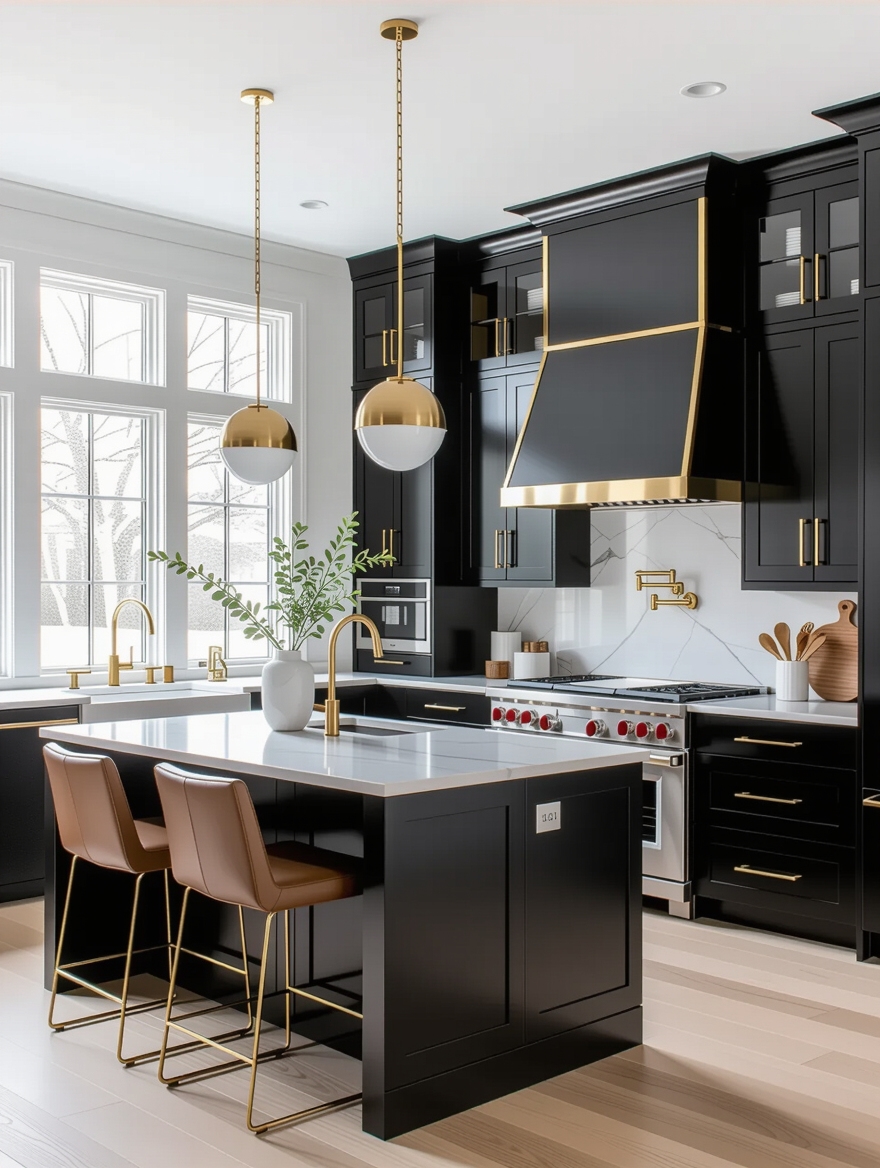

The myth about tiny kitchens is that they are a problem to be suffered until you can move somewhere bigger. I have cooked a full holiday dinner out of a galley you could touch both walls of, and the truth is a small kitchen, planned well, often works better than a sprawling one where everything sits ten steps apart.
The goal is not to fake more square footage. It is to make every inch earn its place. These are the eleven mini kitchen ideas that actually pay off in a small space, with honest costs and plenty that renters can do without a single permit.
The Short Version
A small kitchen works when every inch has a job: compact appliances sized to how you really cook, storage that climbs the walls, and surfaces that fold away when you are done. Light colors, a mirror, and good lighting then make the whole thing feel twice its size.
Most of these cost little and many need no renovation at all, so they suit renters as much as owners. Start with the storage and the appliances; that is where small kitchens are won or lost.
Compact Appliances That Pull Their Weight

The fastest way to free up a small kitchen is to stop forcing full-size appliances into it. Sizing each one to how you actually cook, rather than to a showroom default, can hand you back a whole run of counter. I tell clients to be honest here: a two-burner cooktop and an 18-inch dishwasher serve most small households without the bulk.
- A slim 18-inch dishwasher runs about $500 to $900 and fits where a standard one cannot.
- A two-burner induction cooktop ($100 to $400) frees counter you can cover when not cooking.
- A counter-depth or apartment fridge keeps the walkway clear; a mini fridge runs $150 to $600.
Go Vertical to Maximize Storage

When the floor is full, the only direction left is up, and most small kitchens waste the wall above the counters entirely. Taking cabinets to the ceiling, hanging a rail for utensils, and using the inside of cabinet doors turns dead vertical space into real storage.
The top shelf holds the things you reach for twice a year, which frees the prime real estate for daily items. A small step stool earns its keep. Use the height.
- Run cabinets or open shelves all the way to the ceiling instead of stopping short.
- Hang a magnetic strip for knives and a rail for utensils to clear the counter.
- Mount hooks or a slim rack inside cabinet doors for lids, wraps, and measuring cups.
📋Vertical Storage Quick Wins
- ✓Take cabinets or shelves all the way to the ceiling.
- ✓Add a rail or magnetic strip to clear the counter.
- ✓Use the inside of cabinet doors for lids and wraps.
Open Shelving for Easy Reach

A shelf or two of open storage makes a tiny kitchen feel less boxed-in than a wall of closed cabinets, and it keeps your daily mugs and plates within a single reach. The catch is the same as always. Open shelving only works if you keep it edited.
In a small space that edit is easier, because you simply do not have room for the dozen things you never use anyway.
- Keep one shelf for daily dishes so reaching for them never means opening a door.
- Use matching containers for dry goods so the shelf looks calm, not cluttered.
- A single shelf above the sink or stove uses space that usually sits empty.
Foldable and Extendable Surfaces

Counter space is the currency of a small kitchen, so the smartest move is a surface that exists only when you need it. A wall-mounted drop-leaf table, a pull-out cutting board, or a board that sits over the sink gives you prep room on demand and disappears the rest of the time.
- A wall-mounted drop-leaf table ($100 to $300) folds flat and doubles as a two-person dining spot.
- An over-the-sink cutting board reclaims the sink as prep space mid-cook.
- A pull-out counter extension hides in a base cabinet until you need an extra foot.
| Surface | Best For | Rough Cost |
|---|---|---|
| Wall-mounted drop-leaf table | Dining and prep that folds flat | $100 to $300 |
| Over-the-sink board | Reclaiming the sink as prep space | $25 to $70 |
| Pull-out counter extension | A hidden extra foot of counter | Built into cabinetry |
Simple Drawer Dividers

It sounds almost too small to mention, but disorganized drawers quietly cost a tiny kitchen more than anything else, because the chaos pushes you onto the counter to find things. A set of dividers turns one jumbled drawer into three usable zones for very little money.
I see this single fix change how a cramped kitchen feels overnight. Adjustable bamboo dividers run about $15 to $40 and let you size each section to what actually lives there.
Multifunctional, Space-Saving Furniture

In a small kitchen, every piece should earn its footprint twice. A rolling cart that works as prep space, storage, and a serving station; a bench with storage under the seat; a stool that tucks fully under the counter, these are the workhorses that make a tiny room livable.
Let One Piece Do Two Jobs
The rolling cart is the one I recommend most, because it moves to where you need it and rolls out of the way when you do not.
Look for pieces on casters or with hidden storage so a single item solves two problems at once. Make it pull double duty.
A couple of small-kitchen myths worth dropping:
❌ Myth: Myth: a small kitchen needs to be all white.
✅ Reality: Light helps, but one warm accent keeps it from feeling clinical. The goal is reflective and bright, not stark.
❌ Myth: Myth: you must renovate to fix a tiny kitchen.
✅ Reality: Most of the biggest wins, dividers, a cart, under-cabinet lights, and editing, cost little and need no construction at all.
Light Colors to Expand the Space

Color does real work in a small kitchen, and lighter shades make a room feel larger by bouncing light around instead of absorbing it. White, soft cream, pale sage, or a light gray on the cabinets and walls opens the space up far more than a dark, moody scheme can in tight quarters.
You do not have to go stark. A light base with one warmer accent keeps it from feeling like a hospital while still looking open and airy.
If you rent, peel-and-stick options and paint, where allowed, get you most of the effect for almost nothing.
Mirrors for a More Spacious Feel

A trick borrowed from small bathrooms works beautifully here: a mirror or a reflective surface visually doubles the space and throws light into the darker corners. A mirrored backsplash, a glossy tile, or even a leaning mirror on a counter adds depth a tiny kitchen rarely has.
Reflective and glass-front cabinet doors do the same job more subtly, keeping the eye moving instead of hitting a flat wall. A little shine goes far. Even a polished metal backsplash or a high-gloss tile bounces enough light to lift a windowless corner.
Place it where it catches a window so the daylight gets bounced twice as far into the room.
Create Zones for Cooking and Storage

Even a tiny kitchen runs smoother when it has clear zones, because a defined prep spot, cook spot, and clean-up spot stop you from doubling back over yourself. The trick is keeping the tools for each task stored right where that task happens.
Store knives and boards by the prep zone, pots by the stove, and dish gear by the sink, and the small space suddenly cooks like a bigger one.
- Keep prep tools near the main counter, not across the room.
- Store pots and oils within a step of the cooktop.
- Group dish soap, towels, and the drying rack together by the sink.
Under-Cabinet Lighting to Brighten the Space

A dark counter makes a small kitchen feel smaller and harder to work in, and the cheapest fix is light cast right where you cut and cook. Under-cabinet LED strips wipe out the shadows the upper cabinets throw and instantly make the whole room feel brighter and bigger.
The Cheapest High-Impact Fix
It is one of the highest-impact, lowest-cost upgrades on this list, and a peel-and-stick version needs no electrician at all.
Choose a warm-white strip so the counters glow rather than glare. Stick-on LED strips run about $20 to $60.
Plan a Layout That Fits the Space
Behind every trick on this list is the layout, and a small kitchen rewards a clear plan more than a big one ever does. A single-wall, galley, or tight L-shape each have a logical flow, and matching your storage and prep to that flow is what makes the room feel calm instead of cramped. Map where you stand most and build outward from there.
The classic work triangle still applies, just compressed: keep the sink, cooktop, and fridge a short pivot apart so you are never crossing the whole room mid-task. Even shaving a step off your busiest path changes how the kitchen feels every day.
- In a galley, keep one side for wet tasks and the other for cooking and prep.
- On a single wall, order it sink, counter, then cooktop so prep sits between them.
- Leave at least 36 inches of clear floor so two people, or one with the oven open, can pass.
Styling Tips
The last idea is the one that ties the rest together: keep it clutter-free with minimalist decor. In a small kitchen, every object on the counter shrinks the space, so the styling rule is ruthless editing. One plant, a single bowl of fruit, and clear counters do more for the feel than any clever gadget.
Give everything a home and do a quick reset each evening, which takes about five minutes, so the surfaces start clear each morning. For more ways to stretch a tight footprint, these small-space solutions and more small-kitchen ideas go deeper, and a slim island can add prep space if the floor allows. A clever budget remodel can stretch the rest.
Small Kitchen Questions, Answered
?How do I make a tiny kitchen feel bigger?
Use light colors to bounce light, add a mirror or reflective surface, take storage up to the ceiling, and keep the counters clear. Good under-cabinet lighting and a few foldaway surfaces make the room feel far larger than its square footage.
?What appliances are best for a small kitchen?
Right-size them to how you cook: a two-burner cooktop, an 18-inch slim dishwasher, and an apartment or counter-depth fridge. A two-burner cooktop runs $100 to $400 and frees counter you can cover when you are not cooking.
?What can renters do without renovating?
Plenty. Drawer dividers, a rolling cart, peel-and-stick under-cabinet lights, an over-the-sink board, and ruthless decluttering all make a big difference and cost little. None of them require a permit or a landlord’s blessing.
?Is open shelving a good idea in a small kitchen?
Yes, in moderation. One or two shelves of daily dishes keep things within reach and make the room feel open, as long as you keep them edited. A full wall of open shelving tends to look cluttered in a tight space.
Make Every Inch Earn Its Keep
A small kitchen is not a compromise; it is a design problem with good answers. Size the appliances to your real life, send the storage up the walls, add surfaces that fold away, and let light colors and a mirror do the rest. None of it requires more square footage, only smarter use of what you have.
If you do one thing, clear the counters and give everything a home. A tidy small kitchen cooks better and feels bigger than a cluttered large one, every single time.